Mystery deaths of US nuclear scientists spark probe, toll rises to 11
The death of Alabama researcher Amy Eskridge has added to a series of 11 cases involving scientists linked to US space and nuclear work, as authorities review unexplained deaths and disappearances.
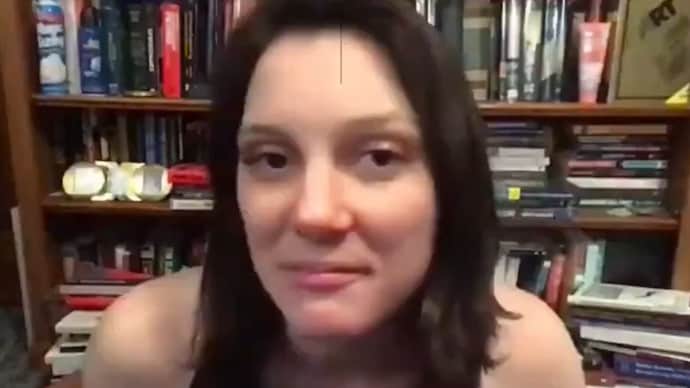
A string of unexplained deaths and disappearances involving scientists tied to sensitive US research has drawn fresh scrutiny, after a young researcher in Alabama was found dead under disputed circumstances.
According to The Mirror, Amy Eskridge (34) died on June 11, 2022, in Huntsville from what authorities described as a self-inflicted gunshot wound. However, officials have not publicly shared detailed findings, leaving gaps around the circumstances of her death. With her passing, the number of scientists linked to US space or nuclear work who have died or gone missing in recent years has risen to eleven.
Eskridge had been working on anti-gravity technology, a field with potential implications for both space travel and energy systems. In 2020, she had indicated plans to present foundational work on the subject, pending clearance from NASA.
Her death has since been revisited following the emergence of an earlier interview and independent submissions made to the US Congress, both of which questioned the suicide finding and suggested the possibility of a larger conspiracy.
Responding to questions on April 16, US President Donald Trump said authorities were examining the pattern of deaths. "I hope it's random, but we're going to know in the next week and a half," he said, calling the matter "pretty serious" and noting that several of those involved were "very important people".
Eskridge had also co-founded the Institute for Exotic Science with her father, Richard Eskridge, a retired NASA engineer specialising in plasma physics and fusion technology. The organisation aimed to create a public platform for discussing advanced research, including anti-gravity concepts. It has reportedly shut down following her death.
In past statements, Eskridge had spoken about perceived risks linked to her work. She warned that making research public offered a degree of safety, while remaining private could invite threats without scrutiny. In a 2020 podcast interview, she also described increasing pressure and alleged intimidation, saying she felt urgency to publish her findings amid what she claimed were escalating threats.
Her case came amid a broader pattern. Since 2022, at least five other researchers connected to advanced scientific fields have died, including two in violent incidents at their homes.
In December 2025, nuclear fusion researcher Nuno Loureiro, 47, was shot dead at his residence in Boston. Authorities attributed the killing to a former classmate, though some independent investigators have suggested his work may have made him a target.
Months later, in February 2026, astrophysicist Carl Grillmair, 67, was fatally shot outside his California home. A suspect has since been charged with multiple offences, including murder.
Other cases remain less clear. NASA-affiliated scientists Michael David Hicks and Frank Maiwald, both associated with the Jet Propulsion Laboratory in California, died at relatively young ages under unspecified circumstances.
In another incident, pharmaceutical researcher Jason Thomas, who was working on cancer treatments at Novartis, was found dead in a Massachusetts lake in March 2026, three months after he went missing. Police have said no foul play is suspected.
Taken together, the cases have fuelled speculation around whether the deaths are coincidental or point to a deeper pattern involving individuals working in high-stakes scientific domains. Investigations, officials say, are ongoing.
A string of unexplained deaths and disappearances involving scientists tied to sensitive US research has drawn fresh scrutiny, after a young researcher in Alabama was found dead under disputed circumstances.
According to The Mirror, Amy Eskridge (34) died on June 11, 2022, in Huntsville from what authorities described as a self-inflicted gunshot wound. However, officials have not publicly shared detailed findings, leaving gaps around the circumstances of her death. With her passing, the number of scientists linked to US space or nuclear work who have died or gone missing in recent years has risen to eleven.
Eskridge had been working on anti-gravity technology, a field with potential implications for both space travel and energy systems. In 2020, she had indicated plans to present foundational work on the subject, pending clearance from NASA.
Her death has since been revisited following the emergence of an earlier interview and independent submissions made to the US Congress, both of which questioned the suicide finding and suggested the possibility of a larger conspiracy.
Responding to questions on April 16, US President Donald Trump said authorities were examining the pattern of deaths. "I hope it's random, but we're going to know in the next week and a half," he said, calling the matter "pretty serious" and noting that several of those involved were "very important people".
Eskridge had also co-founded the Institute for Exotic Science with her father, Richard Eskridge, a retired NASA engineer specialising in plasma physics and fusion technology. The organisation aimed to create a public platform for discussing advanced research, including anti-gravity concepts. It has reportedly shut down following her death.
In past statements, Eskridge had spoken about perceived risks linked to her work. She warned that making research public offered a degree of safety, while remaining private could invite threats without scrutiny. In a 2020 podcast interview, she also described increasing pressure and alleged intimidation, saying she felt urgency to publish her findings amid what she claimed were escalating threats.
Her case came amid a broader pattern. Since 2022, at least five other researchers connected to advanced scientific fields have died, including two in violent incidents at their homes.
In December 2025, nuclear fusion researcher Nuno Loureiro, 47, was shot dead at his residence in Boston. Authorities attributed the killing to a former classmate, though some independent investigators have suggested his work may have made him a target.
Months later, in February 2026, astrophysicist Carl Grillmair, 67, was fatally shot outside his California home. A suspect has since been charged with multiple offences, including murder.
Other cases remain less clear. NASA-affiliated scientists Michael David Hicks and Frank Maiwald, both associated with the Jet Propulsion Laboratory in California, died at relatively young ages under unspecified circumstances.
In another incident, pharmaceutical researcher Jason Thomas, who was working on cancer treatments at Novartis, was found dead in a Massachusetts lake in March 2026, three months after he went missing. Police have said no foul play is suspected.
Taken together, the cases have fuelled speculation around whether the deaths are coincidental or point to a deeper pattern involving individuals working in high-stakes scientific domains. Investigations, officials say, are ongoing.

