

Rs 2.5 lakh Japan school trip costs more than 25 years of Kendriya Vidyalaya fees
A viral social media post about a Class 8 student's Rs 2.5 lakh school trip to Japan has revived a familiar debate: when educational experiences start costing more than education itself. The amount is so large that it could cover the annual fees of a Kendriya Vidyalaya student for more than two decades.
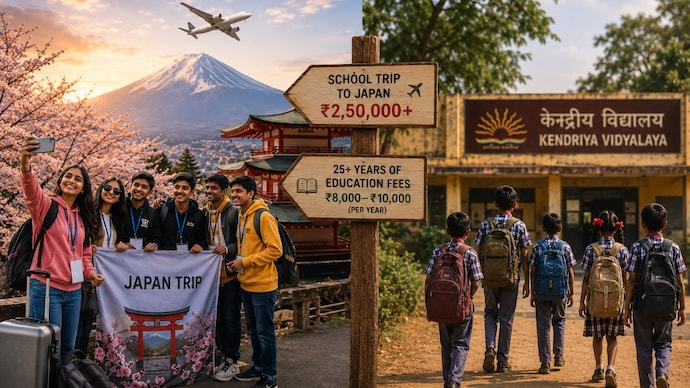
A Class 8 Japan trip costs more than 25 years of schooling at a Kendriya Vidyalaya (Photo: AI-generated)

A viral post on X has reignited a conversation that many parents have been having quietly for years: when does a school activity become too expensive?
The post, shared by Alka Gurha, claimed that a friend paid Rs 2.5 lakh for her son's school trip to Japan in Class 8, apart from an additional Rs 50,000 for shopping expenses. The same family had reportedly spent another Rs 90,000 on a three-night school trip to Goa just months earlier.
What caught the attention of social media users was not just the amount, but what that amount represents. At roughly Rs 2.5 lakh, the Japan trip costs more than 25 years of average annual fees at a Kendriya Vidyalaya (KV), one of India's largest government school networks.
The comparison quickly shifts the discussion from a single overseas excursion to a larger question about how much education-related experiences now cost and who can afford them.
FROM CLASSROOM FEES TO PASSPORT STAMPS
According to the fee structure published by the Kendriya Vidyalaya Sangathan (KVS), students in Classes 1 to 8 are exempt from tuition fees. Most students pay charges such as the Vidyalaya Vikas Nidhi and computer fund, which together typically amount to a few thousand rupees annually, depending on the class.
Based on the fee schedules across classes, the average annual amount paid by many KV students is roughly in the range of Rs 8,000 to Rs 10,000 a year.
Using that benchmark, a Rs 2.5 lakh school trip is equivalent to approximately 25 to 30 years of KV education fees.
In other words, the cost of one international school tour can exceed what a student in the public school system may pay throughout their entire school education.
THE RISING PRICE OF 'EXPOSURE'
Schools increasingly market overseas tours as opportunities for cultural exchange, global exposure and experiential learning. Destinations such as Japan, Singapore, Europe and the United States have become regular additions to the annual activity calendars of many private schools.
For participating students, these trips can be valuable learning experiences. They offer a chance to explore different cultures, interact with people from other countries and gain confidence outside the classroom.
However, the costs attached to these programmes have also grown significantly. Airfare, accommodation, insurance, local transport and organised activities often push the final bill into lakhs of rupees.
For families with multiple children, such expenses can rival or even exceed annual school fees.
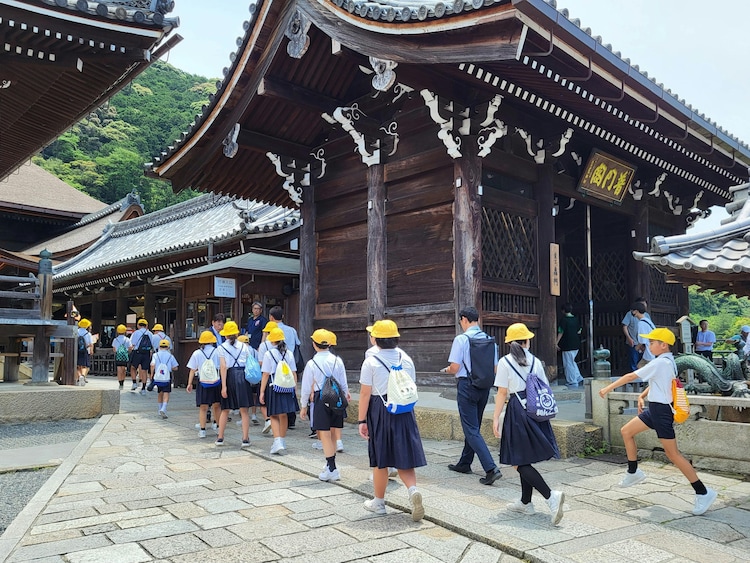
NOT JUST JAPAN, EVEN GOA COMES AT A PRICE
The viral post also mentioned a Rs 90,000 Goa trip lasting just three nights.
For many parents, such costs raise concerns that school activities are becoming increasingly dependent on a family's ability to pay, leaving some students feeling excluded from experiences their classmates can afford.
A QUESTION MANY PARENTS ARE ASKING
The debate triggered by the X post is ultimately about more than a trip to Japan.
India's education landscape now ranges from government schools that charge only a few thousand rupees a year to elite institutions where annual expenses can run into several lakhs. School tours, exchange programmes and enrichment activities increasingly reflect that same divide.
The Rs 2.5 lakh Japan trip offers a striking comparison: the cost of a few days abroad is greater than what many students pay for decades of schooling in the country's largest government school system.
For many parents, that comparison raises an uncomfortable but important question: where should educational opportunity end and educational luxury begin?
- Ends