History Of It

Advertisement

History Of It

A techie trained to kill Rajiv Gandhi in US, but then Haryana CM distracted him

In 1985, Khalistani terrorists in the US wanted to assassinate Rajiv Gandhi during his first visit to the country. Software engineer-turned-terrorist Gurpratap Singh Birk and his aides attended a terror camp in the US. But the terrorists got distracted by then Haryana CM Bhajan Lal. The LTTE assassinated Rajiv six years later.
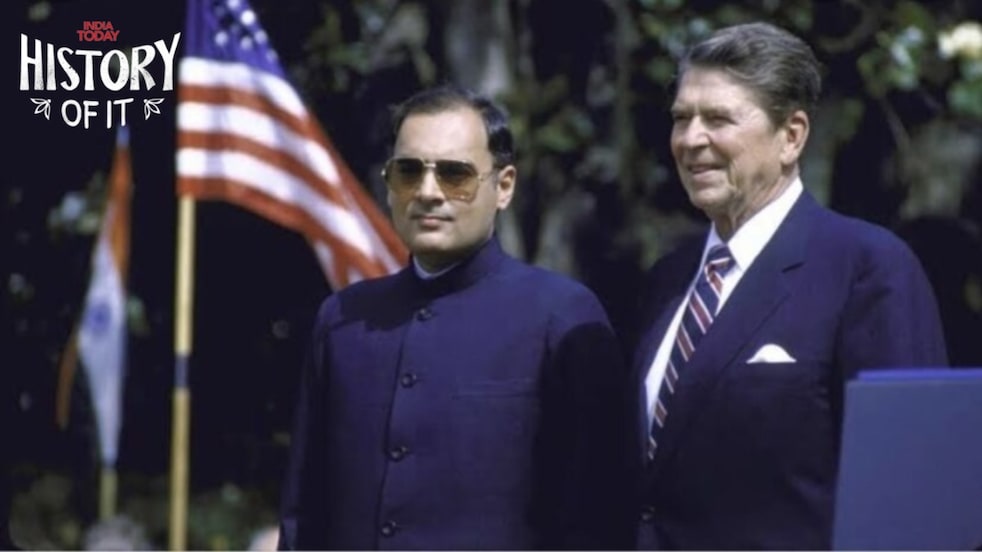
Indian PM Rajiv Gandhi's met the US's Ronald Rogan during his 1985 visit to America. (Image: X)

History Of It

Why India sent 47,000 kg of gold to UK in 1991

When India faced a balance-of-payments crisis in the late 1980s and early 1990s, the Reserve Bank of India (RBI) in 1991 airlifted nearly 47,000 kg of gold to England to raise a $405-million emergency loan and prevent a sovereign default. The shipment, carried out in secrecy and under tight security, was one of the defining moments that paved the way for India's economic reforms.

Four consignments of India's gold reserves were moved from the Mumbai Airport to England to secure emergency foreign loans. (Image: India Today/ AI-edit)

History Of It

Op Sindoor is ongoing. And so is this operation for the last 42 years

Indian military commanders have repeatedly reminded us that Operation Sindoor against Pakistan is still on. There's another Indian military operation against Pakistan which has been going on for 42 years. Operation Meghdoot, which began in April 1984 in one of the world's harshest battlefields, doesn't have an end date. Here's why.

operation meghdoot sindoor one year anniversary ongoing mission counter terror offensive pakistan pahalgam attack payback saltoro ridge bilafond la leh ladakh security indian army kumaon scouts

History Of It

Why Gujaratis worship this Yemeni island

Ancient Indian mariners worshipped a Yemeni island and brought it back home as a deity. The island of Socotra, near East Africa, is believed to have manifested as Sikotar Mata, a sea goddess worshipped in Gujarat even today. Socotra was a vital refuge in the Arabian Sea for maritime traders, over 2,000 km from home.

sikotar mata yemen island gujaratis worship india today
advertisement

History Of It

How Babur used village homes as a shield in the Battle of Panipat

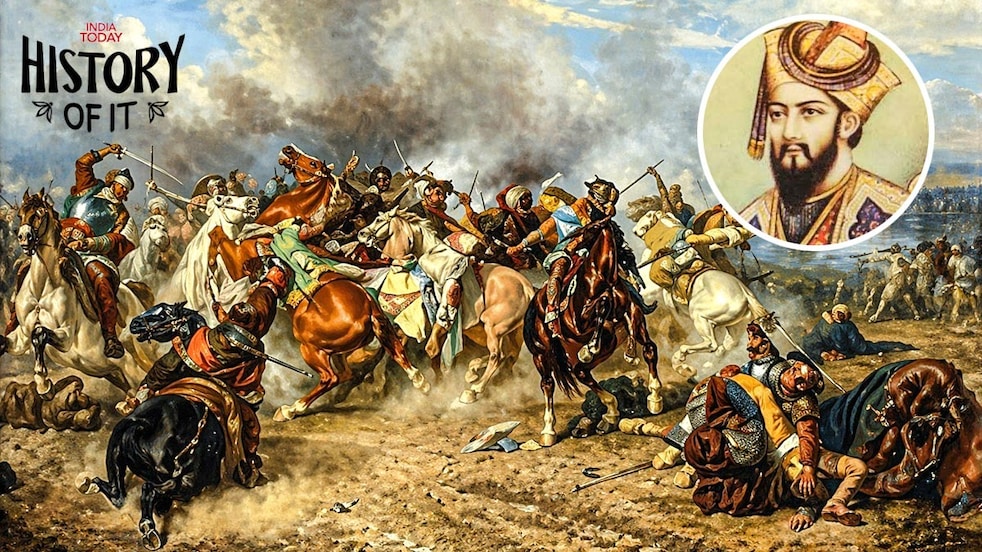
It has been 500 years since the first Battle of Panipat was fought, and it is remembered mainly for the first use of cannons in India, and the beginning of the Mughal empire. However, some literature suggests that the conquest was built not only on gunpowder and cavalry, but on civilians caught between his and Ibrahim Lodi's armies.

gunpowder use in india first time babur vs ibrahim lodi first battle of panipat human shield war crime aabhas k maldahiyar history baburnama mughal rule start delhi hindustan

History Of It

Genghis Khan was not a Muslim. In fact, he massacred them

The Iranian Embassy in South Africa likened Donald Trump and Benjamin Netanyahu to Genghis Khan, invoking him to condemn the destruction caused by the war on Iran. It was Mongol leader Genghis Khan and his armies, who ran over and destroyed much of the early Islamic kingdoms, massacring millions of Muslims across Iran and Central Asia.

The monumental bronze statue of Genghis Khan is located in Sukhbaatar Square in Ulaanbaatar, Mongolia. (Image: Wiki/ Brucke-Osteuropa)
advertisement

History Of It

When the US invaded a small nation, and lost big

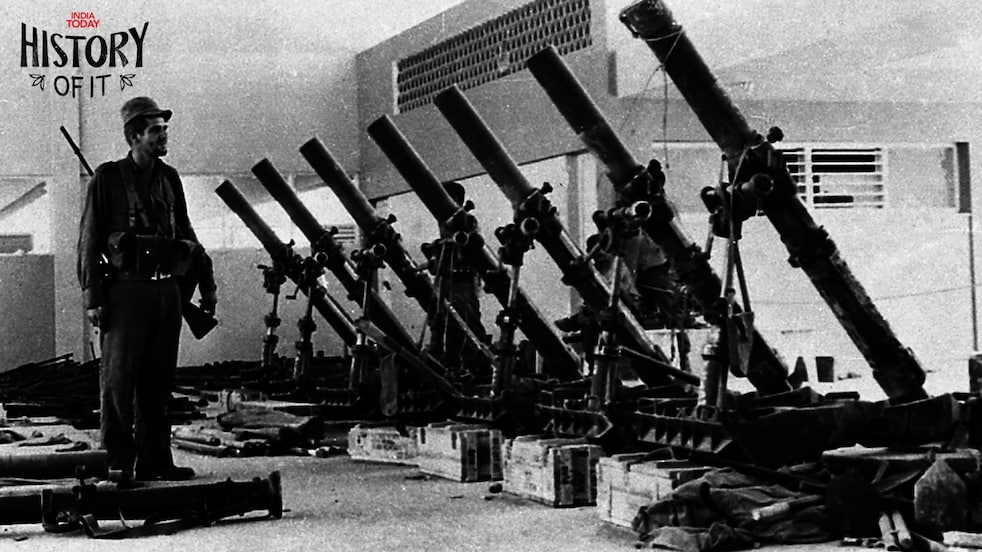
History says that military might cannot guarantee victory, especially when leaders misread a nation's resolve. Amid the US' war with Iran, let's take a look back at one of America's most humiliating defeats, in which the force it backed surrendered within 72 hours.

us failed operations bay of pigs invasion cuba fidel castro john f kennedy dwight d eisenhower iran war boots on ground marines paratroopers aircraft carriers uss tripoli deployment middle east strait of hormuz energy blockade

History Of It

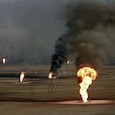
When Kuwait's 750 oil wells burnt for 9 months, black rain poured on Himalayas

Critical oil and gas infrastructure is being targeted in the war in the Middle East. It raises fears of an environmental crisis, much like during the Gulf War of 1991, when Iraqi forces set fire to more than 750 Kuwaiti oil wells. The soot and smoke travelled thousands of kilometres and resulted in black rain as far as the Himalayas.

US Air Force's fighter jets fly over burning Kuwaiti oil wells in 1991. (Image: Universal Images Group/Getty)

History Of It

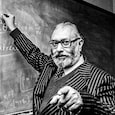
He made Pak nuclear power, but Pak bombed his memory

Pakistan's only Nobel laureate, Abdus Salam, helped build the foundations of the country's nuclear programme. Because he belonged to the Ahmadiyya sect, his religious identity was stripped away, and his legacy was erased in Pakistan. Islamabad boasts of its nuclear weapons, but gives no credit to Salam.

why did pakistan desecrate its only nobel laureate first muslim physicist nuclear scientist grave ahmadiyya ahmadi muslim community abdus salam
advertisement

History Of It

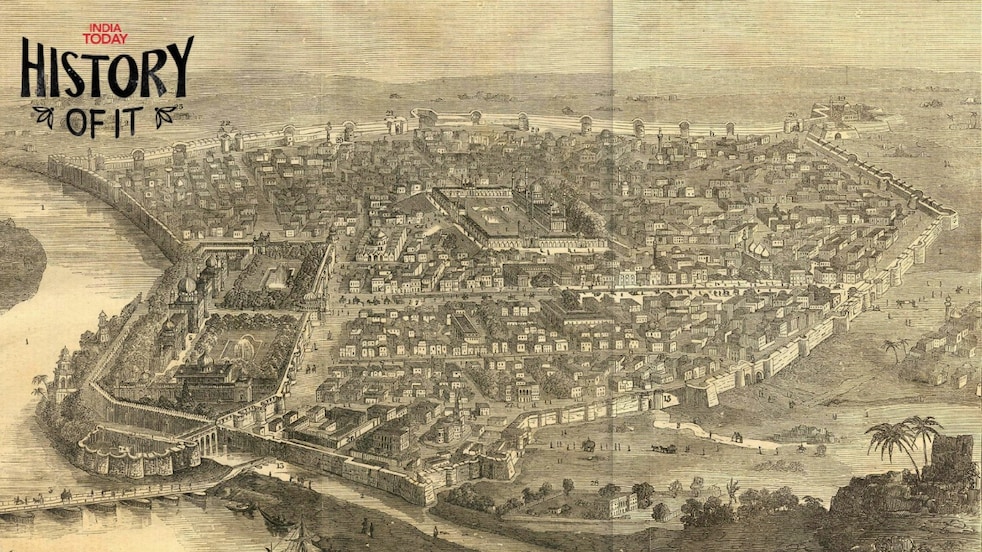
How Indraprastha became Delhi

A BJP MP has demanded that New Delhi be named Indraprastha. But how did Indraprastha, associated with the Pandavas of Mahabharata, get the name Delhi? The etymological roots can be traced back to over 2,000 years ago to Raja Dhillu. Here's how India's National Capital got various names through the ages, till New Delhi stuck.

A panoramic sketch of Shahjahanabad, titled "The City of Delhi Before the Siege", published in The Illustrated London News in 1858. (Credit: Commons Wikimedia)

History Of It

Why Bangladesh's secular Constitution starts with Bismillah, invokes Allah?

Two events have brought Bangladesh's Constitution back into focus. The recent elections that made Tarique Rahman the Prime Minister, and the approval of the July Charter referendum, mandating fresh constitutional changes. It was Tarique's father, Ziaur Rahman, who altered the original secular framework and legalised religion-based politics. Now Bangladesh's Constitution straddles a duality.

Ziaur Rahman became President of Bangladesh in 1977. (Image: Social Media)

History Of It

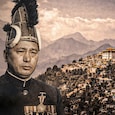
As Mao marched, India won Tawang without firing even a shot. Thanks to Bob Khating

In the eastern Himalayas, Tawang used to be a loosely administered frontier region even after the 1914 Shimla Convention placed it in the British-Indian territory. Mao Zedong's annexation of Tibet in 1950 rang alarm bells for India. Then, Major Bob Khathing Ralengnao, a Manipuri Naga officer, achieved what the British could not. He hoisted the Indian Tricolour in Tawang on February 14, 1951, and integrated it with India, without firing a single shot.

Major Bob Khathing crossed the Sela Pass from the plains of Assam to reach Tawang in a month. (Images: Getty/Nagaland Government/India Today)

History Of It

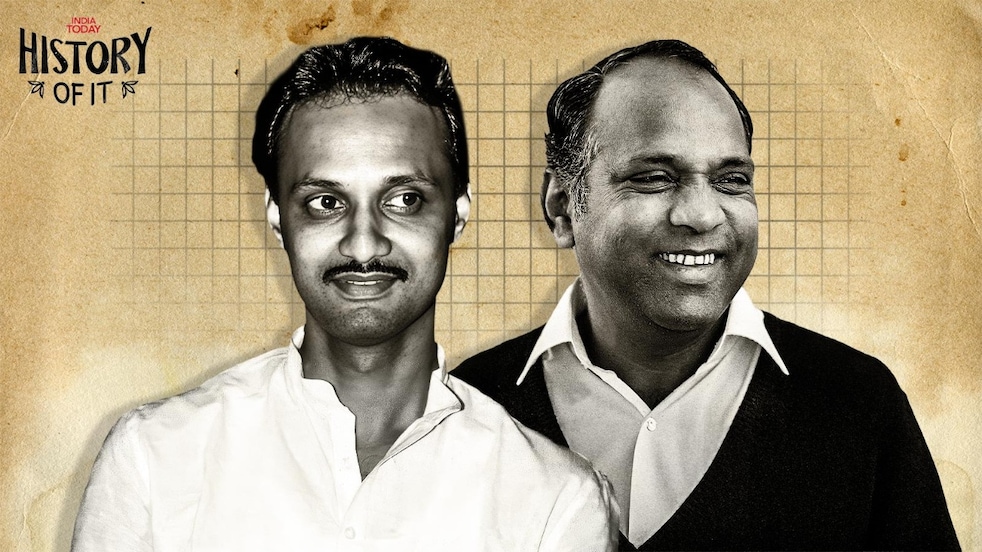
When Ajit Pawar's swap deal helped uncle Sharad remain Defence Minister

In 1991, when PM PV Narasimha Rao named Sharad Pawar the Defence Minister after Congress's election victory, it was Ajit Pawar, a first-time MP, who gave up his Baramati Lok Sabha seat. The move allowed his uncle to contest from Baramati, enter Parliament and continue in the Union Cabinet. But a swap deal was involved too.

Both the Baramati Lok Sabha and Assembly seats have been represented by Ajit and Sharad Pawar. (India Today Image)

History Of It

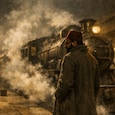
Netaji's Great Escape train completes 160-year run in India

After choosing armed struggle over a Gandhian non-violent path, one of India's greatest sons, Netaji Subhas Chandra Bose, left the country forever in January 1941. Executing a detailed plan, Netaji boarded the Kalka Mail, which is India's oldest express train and would soon complete 160 years.

A digitally imagined representation of Netaji Subhas Chandra Bose at Gomoh station, moments before he boarded the Kalka Mail in 1941. (Image: Author/IndiaToday)

History Of It

How the pre-Islamic Cyrus Cylinder shames rulers of modern-day Iran

Iran's Ayatollah Ali Khamenei's regime is facing scrutiny for widespread human rights violations amid weeks-long protests. Thousands have been killed and tens of thousands have been jailed. But it is the same land that gave the world the first charter of human rights around 2,500 years ago. Here's all about the conqueror, Cyrus the Great, who freed slaves, and his Cyrus Cylinder.

Persian king Cyrus the Great commissioned the Cyrus Cylinder after his conquest of Babylon. (Images: British Museum/The Elisha Whittelsey Collection/IndiaToday)

History Of It

When BCCI's Jogu Da helped Bangladesh cricket pass crucial Test

Former BCCI president and then ICC chief Jagmohan Dalmiya played a decisive role in Bangladesh becoming the 10th nation to gain Test status through a unanimous vote in June 2000. India strongly backed Bangladesh's case, and that support proved crucial.

A 1998 photo of Bangladesh PM Sheikh Hasina before the Mini World Cup at Dhaka's Bangabandhu National Stadium, along with BCB chief Saber Hossain Chowdhury (L), ICC chief Jagmohan Dalmiya (2nd R), and minister Obaidul Quader (R). (Image: AFP)
Load More