Why label Indian youth as Pakistani? Cockroach party reacts to minister's post
Abhijeet Dipke has countered Kiren Rijiju's suggestion that the Cockroach Janta Party drew support from Pakistan and George Soros-linked networks.

India and Pakistan, two nuclear-armed neighbors, share a complex relationship since their partition in 1947. The core issue fueling tensions is Pakistan's claim over India's Kashmir, which has led to three major wars (1947, 1965, and 1999) and persistent border skirmishes. Bilateral ties are also strained by cross-border terrorism sponspored by Pakistan.
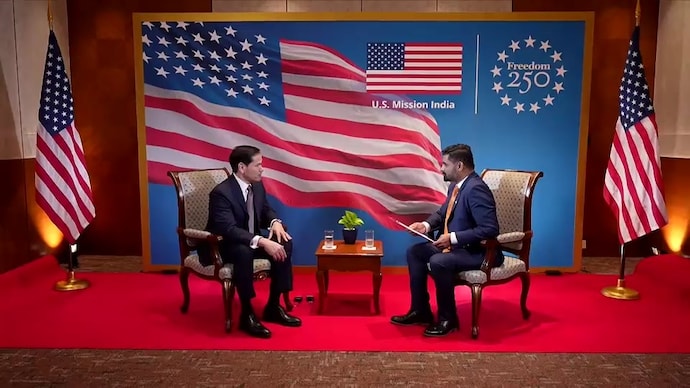
In an exclusive interview with India Today, US Secretary of State Marco Rubio described India as one of America’s most important strategic allies, confirming that Prime Minister Narendra Modi is expected to visit the US for a standalone bilateral meeting in addition to the G20 summit.
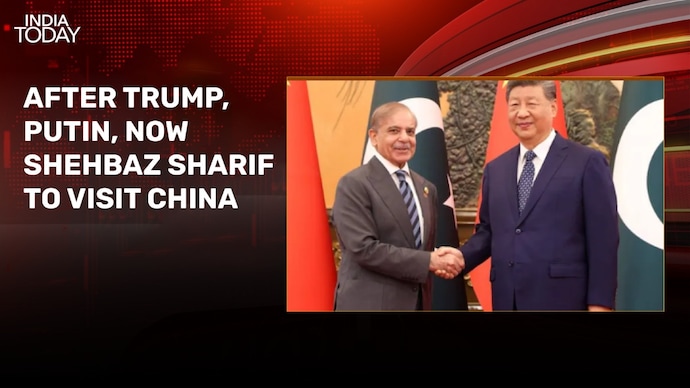
Pakistan Prime Minister Shehbaz Sharif is set to visit China from May 23-26 for talks.
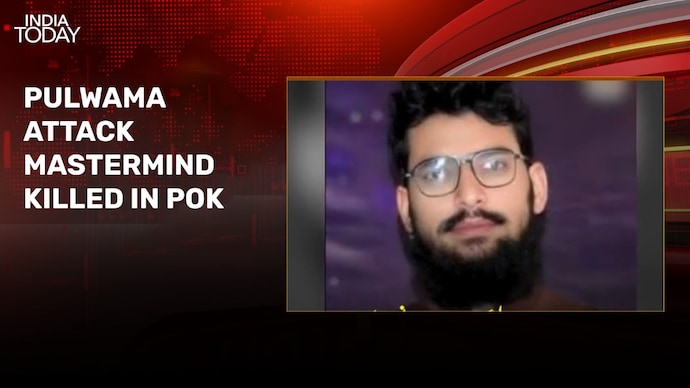
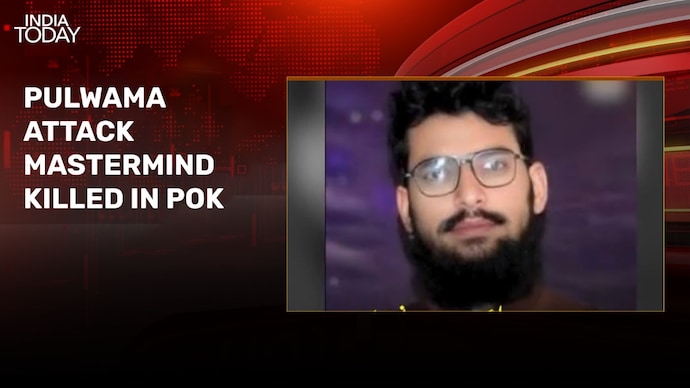
Hamza Burhan, one of the masterminds of the 2019 Pulwama attack, was killed by unknown gunmen in Pakistan-occupied Kashmir's (POK) Muzaffarabad.
Hamza Burhan, an Al-Badr commander and mastermind of the Pulwama terror attack, has been shot dead by unknown assailants in Muzaffarabad, Pakistan-occupied Kashmir.
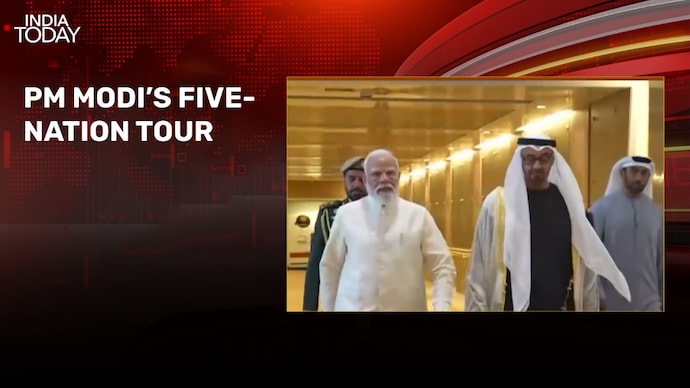
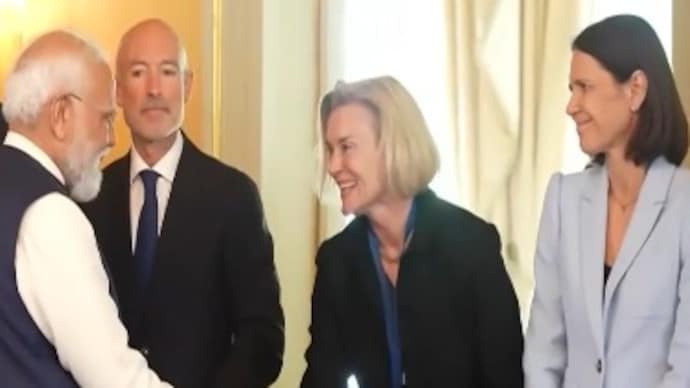
Prime Minister Narendra Modi, who is on a five-nation tour, will be arriving in Italy shortly on the last leg of his tour. The tour, which included visits to the United Arab Emirates, the Netherlands, Sweden, Norway, and Italy, signifies a shift in India's foreign policy towards strengthening technology and supply chain security.
PM Modi arrived in Oslo for the third India-Nordic Summit, marking the first visit by an Indian prime minister to Norway in over four decades. The summit focussed on green technology, supply chain resilience, and digital governance.
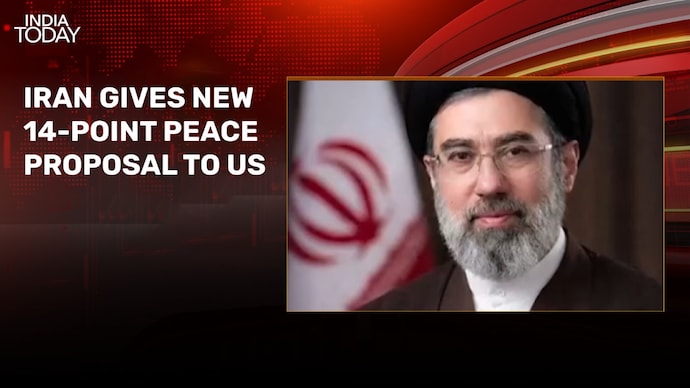
Iran has submitted a fourteen-point peace proposal to the United States via back-channel negotiations, seeking a permanent cessation of hostilities, the lifting of economic sanctions, and the reopening of the Strait of Hormuz.
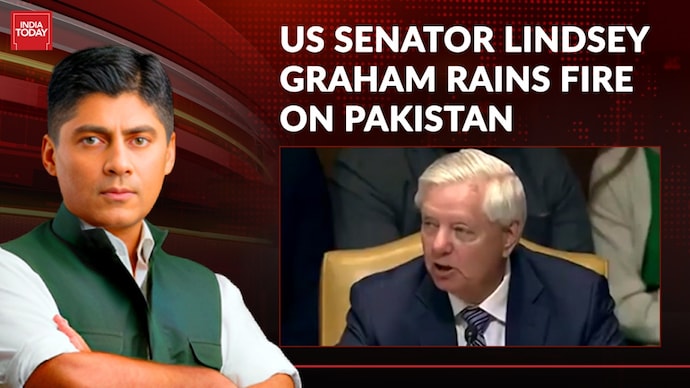
Republican Senator Lindsey Graham, who's considered close to President Donald Trump, has called for dumping Pakistan as mediator in the US-Iran talks, citing reports that Islamabad had allowed Iran to use their airbases to park military aircraft.
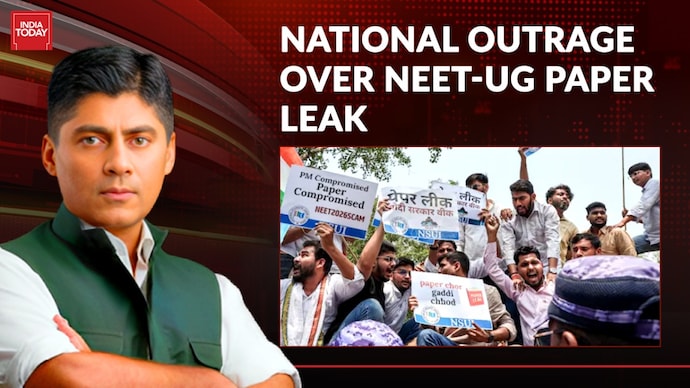
The National Eligibility cum Entrance Test Undergraduate 2026 has been cancelled following a widespread paper leak involving a multi-state organised network. Investigations reveal the paper circulated fifteen days prior to the exam, leading the Central Bureau of Investigation to take over the probe.
In an exclusive interview with India Today TV, Esmaeil Baghaei, the spokesperson of the Ministry of Foreign Affairs of Iran, discussed Tehran's response to US President Donald Trump's threats. He detailed the history of Tehran's diplomatic engagement with Washington, highlighting the US withdrawal from the JCPOA and the assassination of IRGC Commander Qassem Soleimani. He explained Iran's recent proposal to end the war and reopen the Strait of Hormuz, which the US rejected. Baghaei stated, "Blockade itself is a declaration of an act of war," attributing the current international maritime and energy crises, including those affecting India, to actions by the US and Israel. He also questioned why the disarmament of Israel's nuclear weapons is not part of global demands, noting Iran's compliance with the NPT. Addressing the possibility of a ground invasion by the US, Baghaei affirmed Iran's military readiness, warning, "We have no other choice other than fighting back ferociously." He emphasised that Iran is defending its homeland and international law against aggression.
This India Today special broadcast covers significant political shifts following the latest assembly election results in West Bengal and Tamil Nadu.
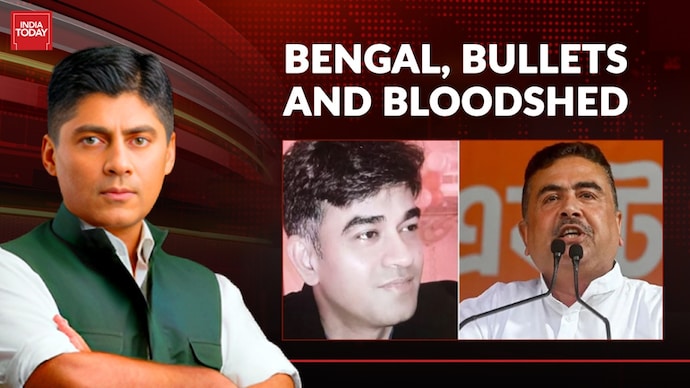
BJP leader Suvendu Adhikari's aide was shot at point-blank range near Kolkata on Wednesday. The BJP alleged a targeted political revenge killing by the Trinamool Congress, while the TMC denied involvement and sought a CBI investigation.
The latest episode of Statecraft examines the escalating conflict between the United States and Iran as the sixty-day deadline under the War Powers Resolution expires.
The latest episode of Statecraft covers multiple global developments, starting with the escalating border conflict between Pakistan and Afghanistan.
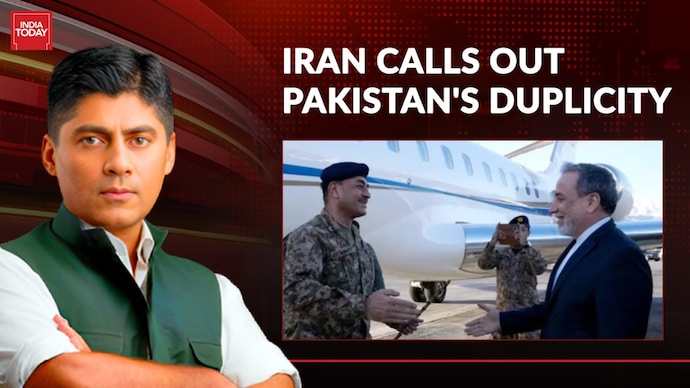
This broadcast examines escalating geopolitical tensions across the Middle East and South Asia. Iranian officials have rejected mediation efforts by Pakistan, alleging a bias toward the United States.
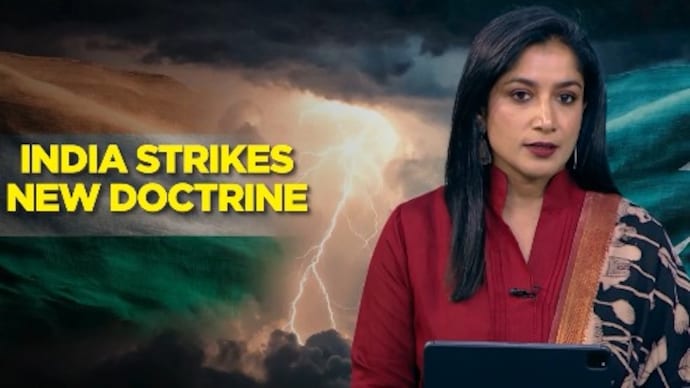
One year after the Pahalgam terror attack, India has fundamentally shifted its anti-terror doctrine from reactive measures to preemptive action.
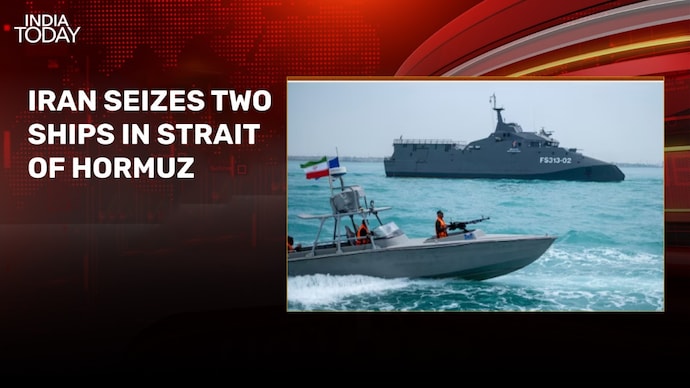
This edition of News Today focusses on escalating tensions in West Asia following Iran's seizure of two vessels, including an India-bound ship, in the Strait of Hormuz.
As India observed the first anniversary of the Pahalgam terror attack, we raise these questions on the show: Has geopolitics changed since Pahalgam attack? Is the world now ready to ignore Pakistan's terror links? Watch as General VP Malik,former Army Chief, and Vivek Katju, former diplomat, share their perspectives on these and more on the show.
Tensions escalate in the Strait of Hormuz as Iranian forces seize commercial vessels, demanding the United States lift its maritime blockade. While the US President extended a ceasefire citing fractured leadership in Tehran, Pakistan’s mediation efforts face scrutiny.
The latest episode of Statecraft captures a rapidly shifting geopolitical landscape where diplomacy, strategy and power moves are unfolding in parallel. At the centre is Pakistan, hosting a second round of US-Iran talks — a notable shift for a country once viewed with scepticism. Its role as mediator reflects a calculated effort to regain relevance, backed by offers of counterterrorism cooperation, access to critical minerals and emerging financial avenues. At the same time, broader dynamics reveal a mix of resilience and quiet assertion. China has cushioned the impact of disruptions in the Strait of Hormuz through large oil reserves and a growing shift to renewables and electric vehicles. India, meanwhile, is moving ahead with a €5 billion submarine deal with Germany aimed at strengthening its position in the Indian Ocean through advanced stealth capabilities and local manufacturing. Alongside this, Indian and US officials are working to finalise the first phase of a trade agreement after tariff reductions signalled improved economic ties. Yet beneath these developments lies a deeper concern — satellite imagery showing major oil spills in the Persian Gulf linked to ongoing strikes.