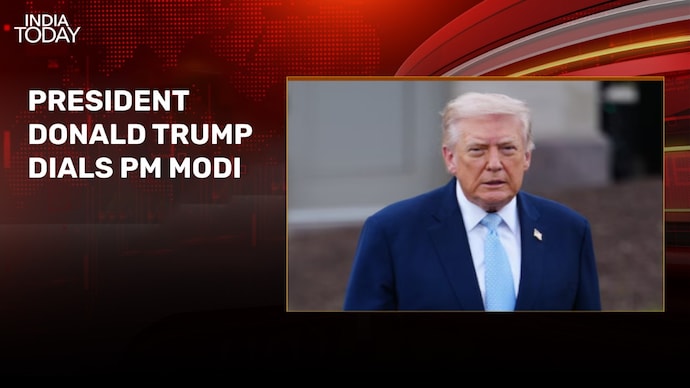
India can count on me, big fan of PM Modi: Trump joins Delhi event via call
Speaking virtually at the US Embassy's 250th Independence Day celebration in New Delhi, Donald Trump praised India and PM Narendra Modi.

Marco Rubio has been part of national politics for more than a decade, but his career took another turn in January 2025 when he became Secretary of State. The Miami-born son of Cuban immigrants, Rubio grew up in both Florida and Nevada. His father worked as a bartender and his mother as a hotel maid, a background he has often noted when discussing his family’s move into the middle class.
He studied political science at the University of Florida before completing a law degree at the University of Miami. His first elected role was on the West Miami City Commission. By 2000, he was in the Florida House of Representatives, and six years later he became Speaker.
Rubio entered the U.S. Senate in 2010, at the height of the Tea Party movement, and quickly drew attention as one of its younger conservative voices. His 2016 presidential run ended with a loss in his home state, but he stayed in the Senate and built a record on foreign policy, often focusing on Latin America, China, and U.S. national security.
His unanimous confirmation as Secretary of State made him the first Latino to hold the position. In the role, he has been at the center of U.S. negotiations over the war in Ukraine, telling reporters after a summit with Vladimir Putin that a peace deal was still “a long ways off.” He has also worked with European partners on security guarantees for Kyiv while continuing U.S. engagement in the Caribbean and Central America.
Rubio’s path from local politics in Florida to top U.S. diplomat reflects a career shaped by domestic shifts and global conflicts alike.
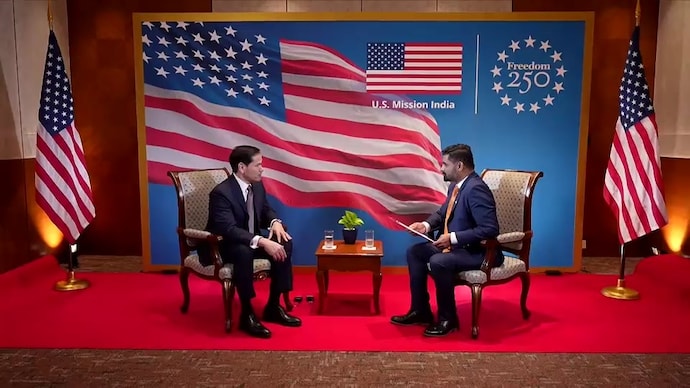
In an exclusive interview with India Today, US Secretary of State Marco Rubio described India as one of America’s most important strategic allies, confirming that Prime Minister Narendra Modi is expected to visit the US for a standalone bilateral meeting in addition to the G20 summit.
Rubio, initially caught off guard, asked for clarification. Upon learning which comments were being referenced, he dismissed the creators of those remarks as 'stupid people.'
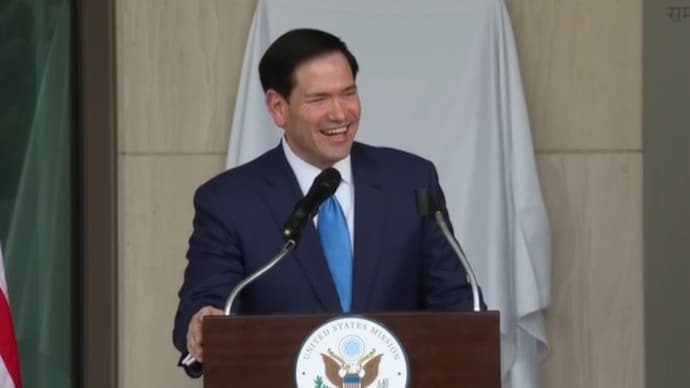
As Delhi reeled under temperatures crossing 45 degrees Celsius, US Secretary of State Marco Rubio kept his remarks brief during the inauguration of the new US Embassy Support Annex building and joked about the capital’s scorching heat.
In an exclusive interview with India Today, US Ambassador to India Sergio Gor discussed the significance of US Secretary of State and National Security Advisor Marco Rubio's maiden four-day visit to India.
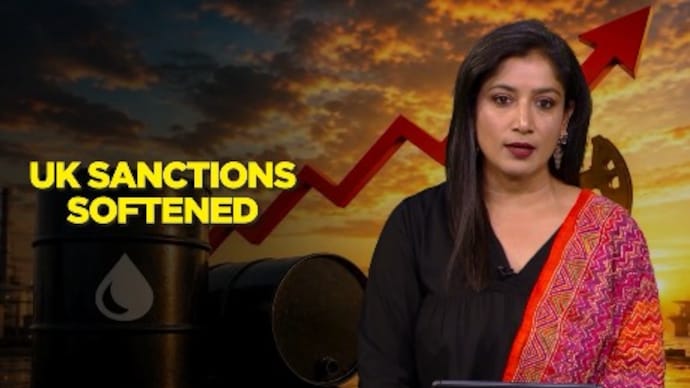
The UK and European nations are quietly easing sanctions on Russian oil due to soaring fuel prices following the Strait of Hormuz closure amid the US-Iran war.
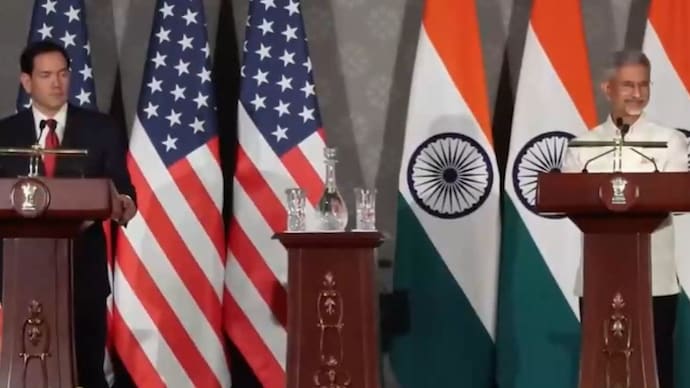
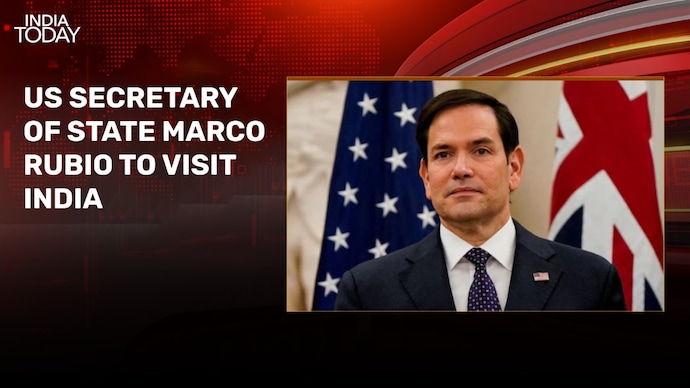
Amid escalating tensions and an unfolding war in West Asia, US Secretary of State Marco Rubio is scheduled to make a first official visit to India. The visit is slated to take place from May 23 to May 26.
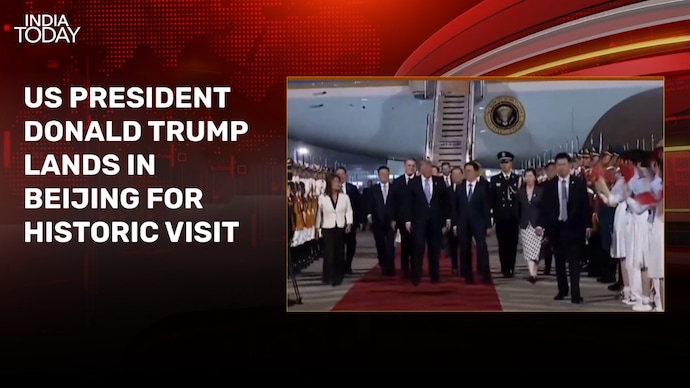
The latest edition of Statecraft covers major geopolitical shifts as US President Donald Trump arrives in Beijing to meet Chinese President Xi Jinping. The visit, occurring amid the ongoing West Asia conflict and the Strait of Hormuz blockade, focusses on trade, tariffs, and the Iran war.
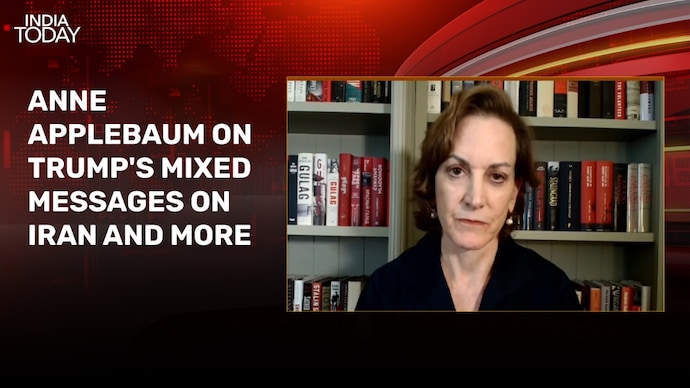
In an exclusive interview with India Today, Pulitzer Prize-winning historian and journalist Anne Applebaum discusses Donald Trump's approach to foreign policy and his handling of the conflict with Iran.
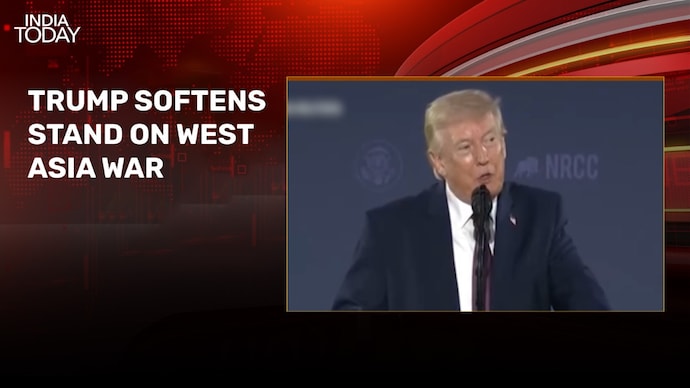
Day 33 of the West Asia war sees President Donald Trump soften his stance, stating he is ready for a ceasefire if the Strait of Hormuz reopens.
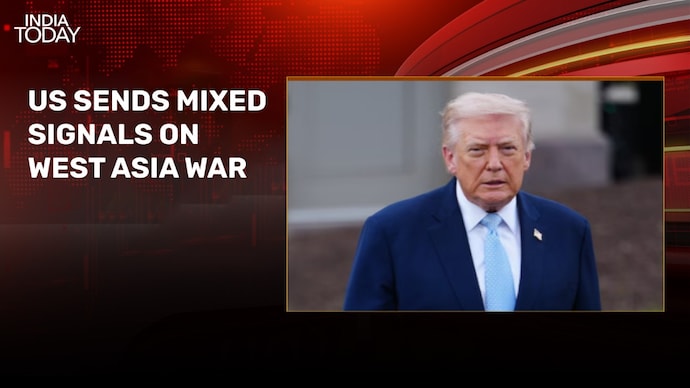
The US-Iran conflict intensifies with contradictory signals from Donald Trump and his administration, leaving the war's endgame uncertain. Trump threatens major strikes against Iran's infrastructure, warning he will obliterate all of Iran's electric generating plants, oil wells, and Kharg Island if the Strait of Hormuz is not immediately opened.
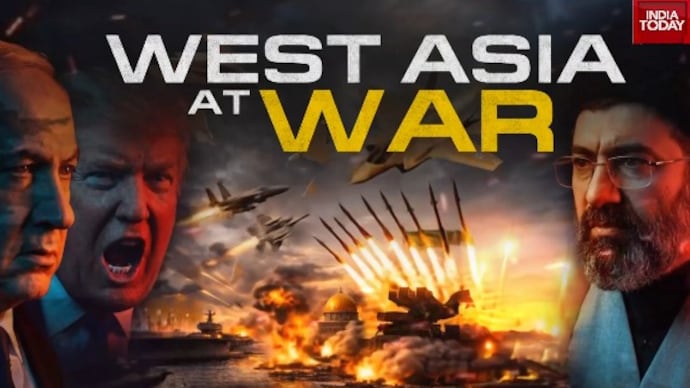
The West Asia conflict enters a critical phase as contradictory signals emerge from Washington. President Donald Trump suggests the war could end within weeks, yet the US is executing its largest military buildup in the region since 2003.
The West Asia conflict is triggering a global energy shock with Americans paying over $4 per gallon for gas, the highest since 2022, and oil prices hovering above $100 per barrel.
The West Asia conflict intensifies as the US military's 'Operation Epic Fury' strikes over 11,000 targets in Iran, destroying more than 150 naval vessels.
A month into the West Asia war, global economies face strain as the US considers deploying at least 10,000 additional combat troops to the Middle East.
Amid escalating tensions, US President Donald Trump has threatened to obliterate Iran's energy infrastructure, including electric plants and oil wells, if the Strait of Hormuz is not immediately reopened.
Iran's IRGC has warned US and Israel-linked industrial companies and heavy industries in the region to evacuate all workplaces, according to reports from Iranian media.
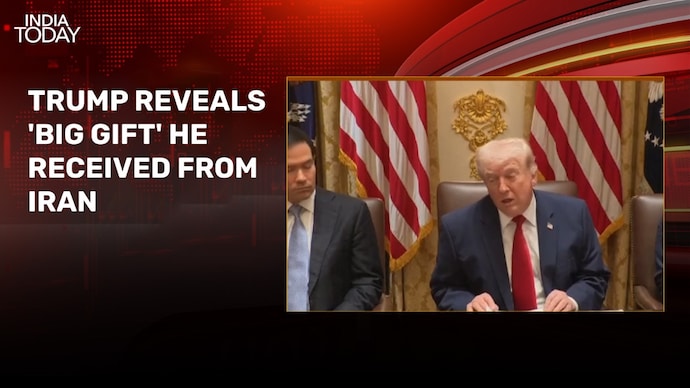
President Donald Trump revealed at his first cabinet meeting after the Iran attack that Iran gave the United States 10 oil tankers as a gift.
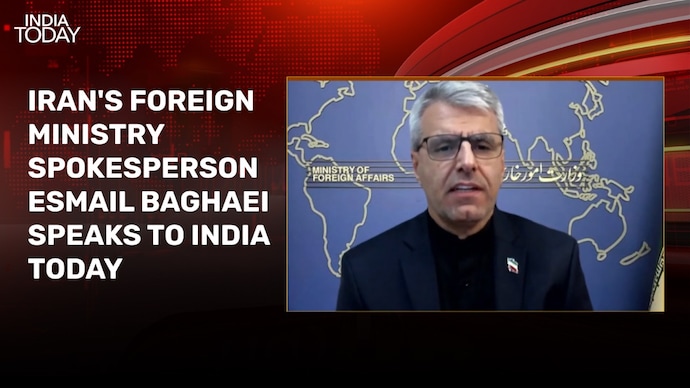
In an exclusive interview with India Today, Iran's foreign ministry spokesperson Esmail Baghaei said that there are no talks or negotiations between Iran and the United States and rejected mediation efforts.
As the US-Iran conflict enters 25th day, politics has erupted over India's foreign policy and the shifting diplomatic landscape in West Asia.
US President Donald Trump spoke with Prime Minister Narendra Modi and discussed the ongoing situation in the Middle East war, including the importance of keeping the Strait of Hormuz open.