Twisha’s report compilation to take some time: AIIMS official on second autopsy
A team of doctors from AIIMS Delhi conducted the second post-mortem of former actor-model Twisha Sharma in Bhopal on Sunday following a Madhya Pradesh High Court order.

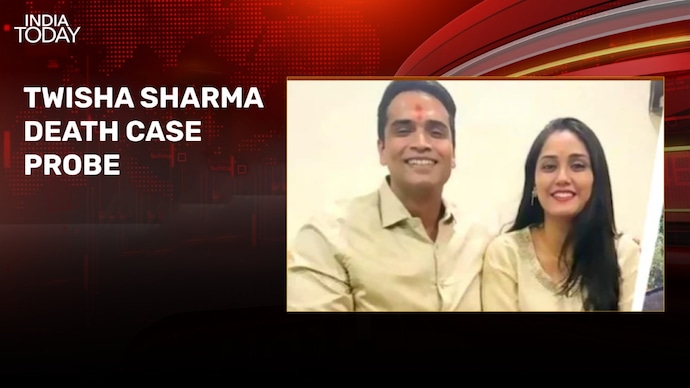
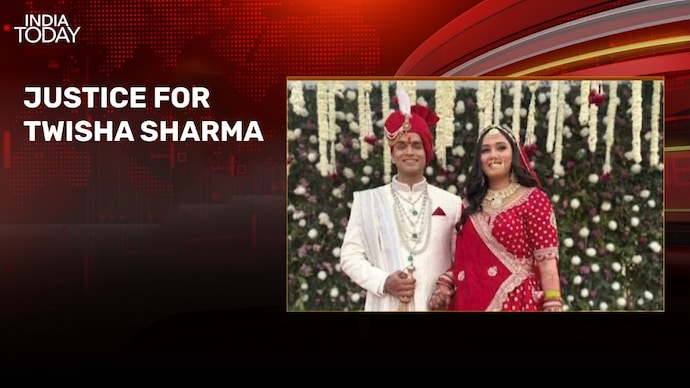
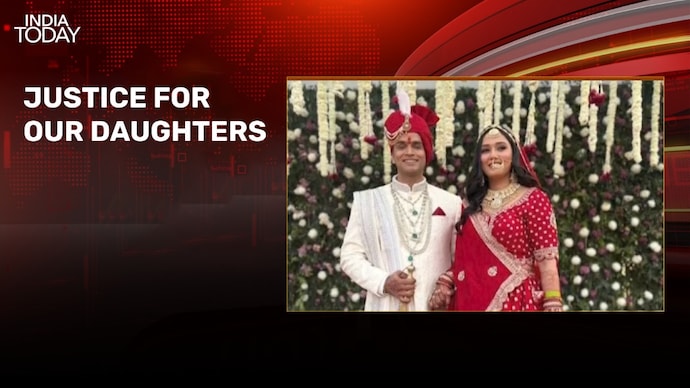
Twisha Sharma was a Noida-born professional, model and aspiring actress whose death in Bhopal in May 2026 sparked national attention and a major police investigation. She had reportedly worked in advertisements and regional films before marrying Bhopal-based lawyer Samarth Singh in December 2025. According to police and court records, the couple met through a dating app in 2024 and later settled in Bhopal after their marriage.
Twisha Sharma was found hanging at her marital home in Bhopal’s Katara Hills area on May 12, 2026. Her death quickly turned into a high-profile case after her family alleged dowry harassment, physical abuse and murder. Her relatives claimed Twisha had been under emotional distress and wanted to leave Bhopal and return to Noida shortly before her death. They also accused her husband and in-laws of influencing the investigation because her mother-in-law, Giribala Singh, is a retired judge.
Following the allegations, Madhya Pradesh Police formed a six-member Special Investigation Team (SIT) led by ACP Rajnish Kashyap. Police booked Samarth Singh and Giribala Singh under provisions related to dowry death and harassment. Investigators are also examining allegations of assault and possible destruction of evidence.
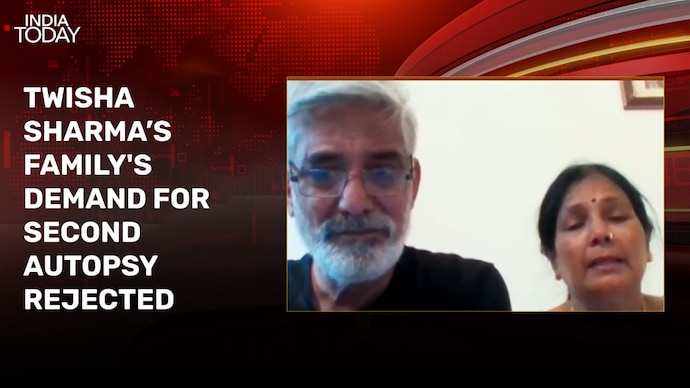
The case gained wider attention after Giribala Singh, in her anticipatory bail plea, alleged that Twisha struggled with substance abuse, mood swings and emotional instability. She further claimed Twisha’s behaviour changed after learning about her pregnancy in April 2026. Twisha’s family has rejected these claims and continues to demand a court-monitored probe, a second post-mortem and strict action against the accused. The investigation is ongoing, with police continuing efforts to trace Samarth Singh.
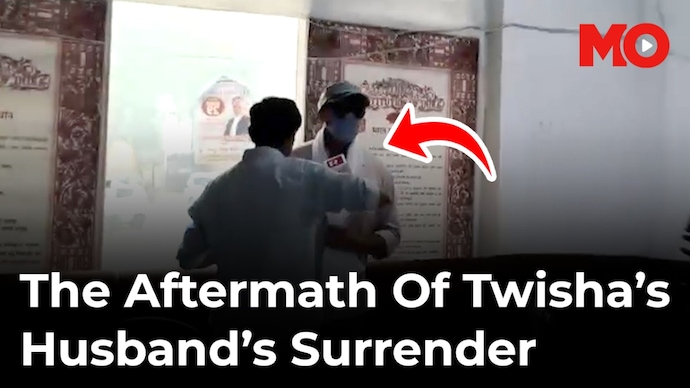
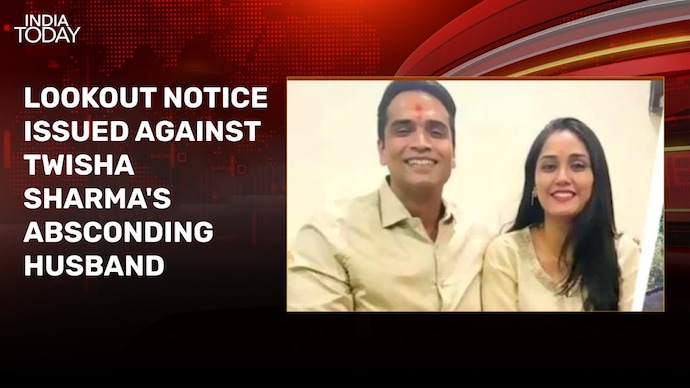
Twisha Sharma’s husband Samarth Singh finally appeared at a Jabalpur court after being absconding for 10 days.
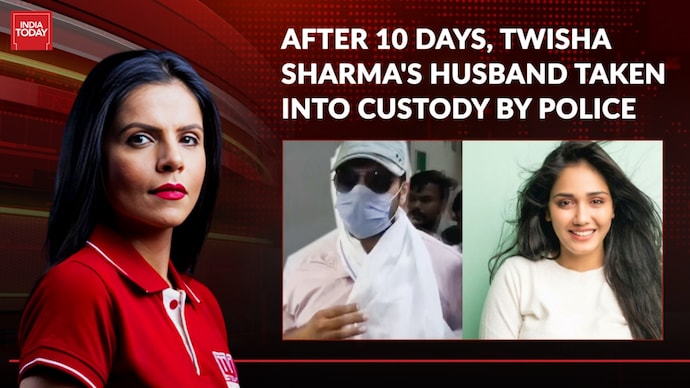
After being on the run for ten days, Twisha Sharma's husband Samarth Singh was taken into custody by Jabalpur police on Friday after he reached the district court in Jabalpur to surrender.
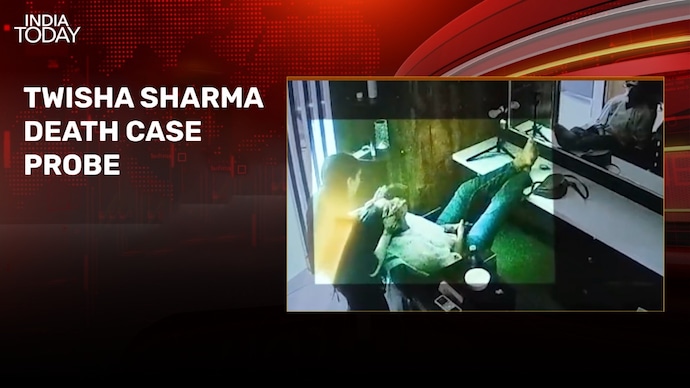
As the probe intensifies in the Twisha Sharma death case, India Today has accessed new CCTV footage which shows her visiting a beauty parlour just a few hours before her death.
The Madhya Pradesh High Court ordered a second autopsy of Twisha Sharma as demanded by her family by the AIIMS Delhi, while the state government recommended a central agency probe.
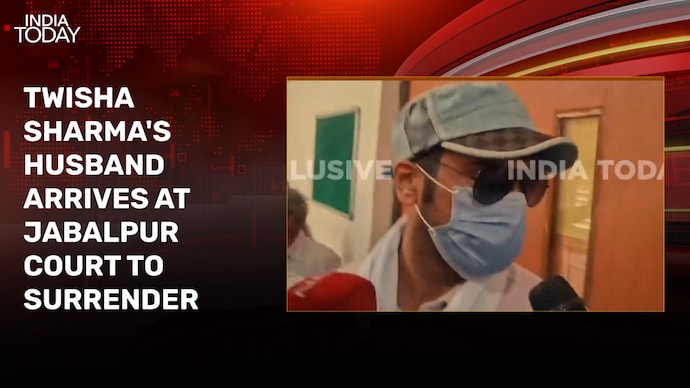
In a big development in the Twisha Sharma death case, her husband Samarth Singh, who has been absconding for the last 10 days, has arrived at Jabalpur District Court to surrender.
In the latest development in the Twisha Sharma death case, the victim's husband Samarth Singh is withdrawing his anticipatory bail plea in the Madhya Pradesh High Court and has offered to surrender before a magistrate court, said his lawyer.
The Madhya Pradesh High Court has approved the plea for a second autopsy of Twisha Sharma by specialists from AIIMS Delhi.
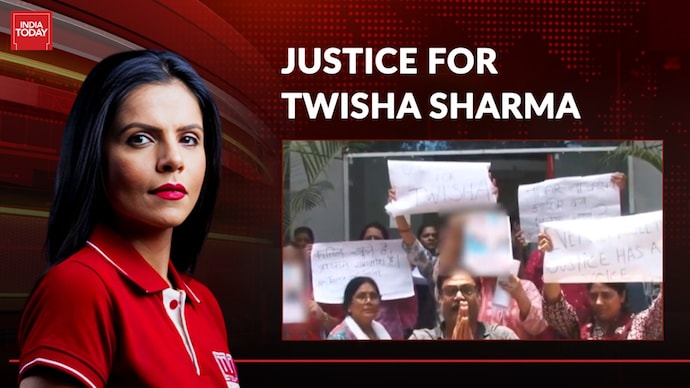
The episode of The Point focusses on the death of a 33-year-old woman, Twisha Sharma, in Madhya Pradesh following alleged dowry harassment and other dowry deaths.
A Bhopal court has rejected the plea for a second postmortem, citing a lack of jurisdiction to order the procedure at a medical facility in the national capital. However, the court partially allowed the application by directing the local police to ensure the victim's body is preserved at a sub-zero temperature.
Twisha Sharma, the 31-year-old Noida woman found hanging at her Bhopal home while two months pregnant, is now at the centre of explosive court claims.
Twisha Sharma, the 31-year-old Noida woman found hanging at her Bhopal home while two months pregnant, is now at the centre of explosive court claims.
The big talking point of this episode of To The Point is the Twisha Sharma death mystery.
In a big development in the Twisha Sharma death case, authorities have intensified their search operations and issued a lookout circular for the absconding husband of the deceased.
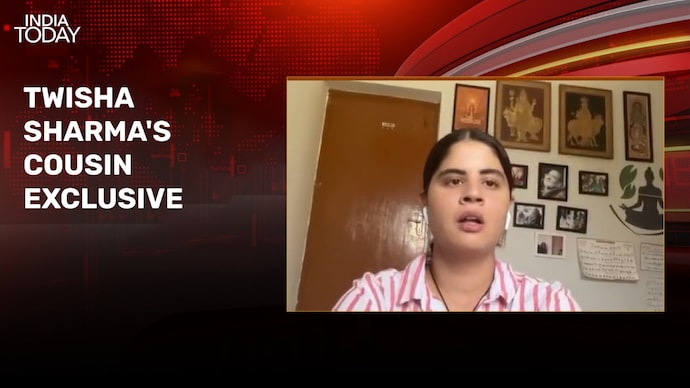
In an exclusive interview with India Today, Naina Sharma, Twisha Sharma's cousin, has refuted allegations made by her mother-in-law regarding substance abuse and mental health issues.
The escalating West Asia conflict has driven crude oil prices above $110 a barrel, while the Indian rupee hit a record low of 96.35 against the dollar. This
The death of 31-year-old former Miss Pune, Twisha Sharma, in Bhopal has triggered allegations of dowry harassment and investigative lapses. Found dead five months after marrying lawyer Samarth Singh, her family alleges physical abuse and a forced pregnancy termination.