Topic

Advertisement
TOPIC

Ukraine

Ukraine is a country in Eastern Europe. It is the second-largest country in Europe by area, after Russia. It shares borders with Russia to the east and northeast, Belarus to the north, Poland, Slovakia, Hungary to the west, and Romania and Moldova to the south. Ukraine covers an area of 603,628 square kilometres. As of 2021, with a population of 41.6 million, it is the eighth-most populous country in Europe. The capital and largest city of Ukraine is Kyiv.


The territory of modern Ukraine dates back to 32,000 BC. In the 13th century, the region was ruled by various principalities, including the Polish-Lithuanian Commonwealth and Austria-Hungary. During the 18th century, the territory was divided between Poland and the Russian Empire. After the Russian Revolution, a Ukrainian national movement emerged, and on June 23, 1917, the Ukrainian People's Republic was declared, gaining international recognition. Following World War II, Ukraine became part of the Soviet Union as the Ukrainian Soviet Socialist Republic. Ukraine regained its independence on August 24, 1991, following the dissolution of the Soviet Union.


In 2013, Ukraine’s then-President Viktor Yanukovych suspended the Ukraine-European Union Association Agreement and opted for closer economic ties with Russia. This decision sparked massive protests, leading to Yanukovych’s removal and the establishment of a new government. These events set the stage for Russia’s annexation of Crimea in March 2014. In 2016, Ukraine became part of the Deep and Comprehensive Free Trade Area with the European Union.


Ukraine is a developing country, ranking 74th on the Human Development Index. It is one of the poorest countries in Europe, suffering from high poverty rates and severe corruption. However, due to its vast fertile farmland, Ukraine is one of the world’s largest exporters of grain. It also maintains the third-largest military in Europe, after Russia and France.


The official language of Ukraine is Ukrainian, although Russian is widely spoken. According to the 2001 census, 67.5 per cent of the population declared Ukrainian as their native language, while 29.6 per cent declared Russian. Ukraine has a literacy rate of 99.4 per cent. The most popular sport in Ukraine is football.


Traditional Ukrainian cuisine includes dishes made from chicken, pork, beef, fish, and mushrooms. Ukrainians consume large quantities of potatoes, grains, and fresh, boiled, or pickled vegetables. Ukrainian specialities include Chicken Kyiv and Kyiv cake.

...Read More
  • ALL
  • STORIES
  • VIDEOS

STORIES

War coming to an end: Putin hints at possible Ukraine peace deal

Speaking during Russia’s Victory Day events in Moscow, Vladimir Putin said the conflict appeared to be nearing its conclusion. His remarks coincided with a US-backed three-day ceasefire and an agreement between Russia and Ukraine to exchange 1,000 prisoners each in a major wartime swap.

Load More

VIDEOS

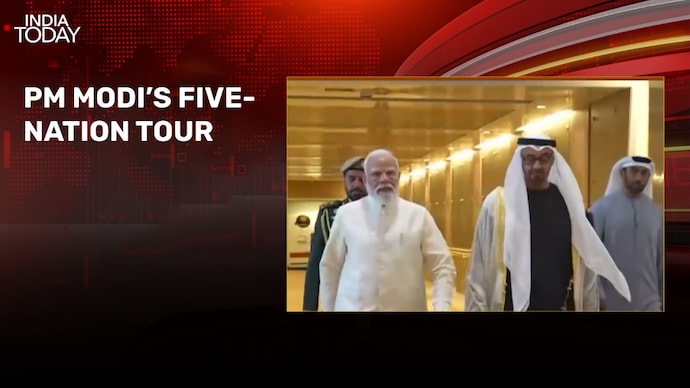
PM Modi’s five-nation tour: What does it mean for India?

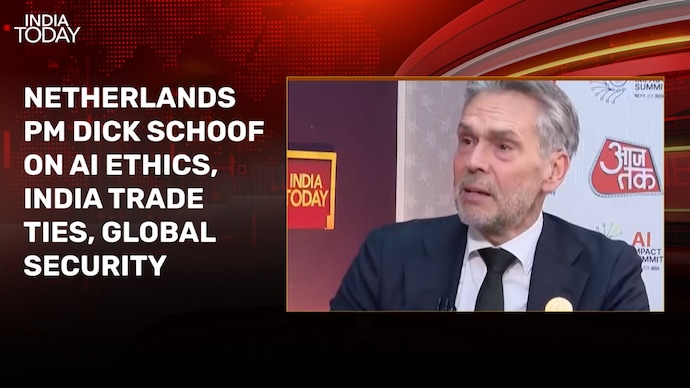
Prime Minister Narendra Modi, who is on a five-nation tour, will be arriving in Italy shortly on the last leg of his tour. The tour, which included visits to the United Arab Emirates, the Netherlands, Sweden, Norway, and Italy, signifies a shift in India's foreign policy towards strengthening technology and supply chain security.

India and Malaysia Exchange 11 Documents to Boost Semiconductor and Defence Ties

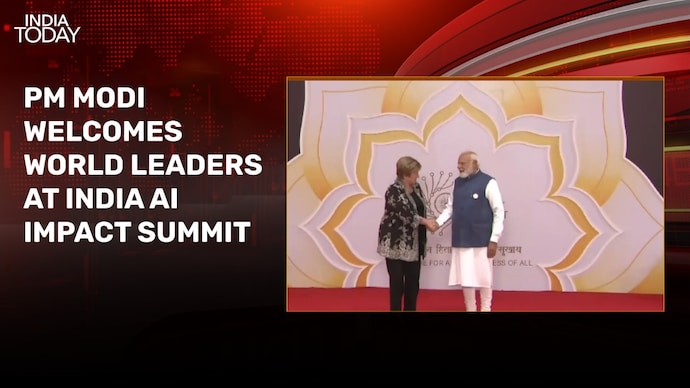
Prime Minister Narendra Modi and his Malaysian counterpart Anwar Ibrahim held high-level delegation talks in Kuala Lumpur to strengthen bilateral relations. The meeting resulted in the exchange of 11 documents, including six Memorandums of Understanding (MOUs) covering critical sectors such as semiconductors, disaster management, and UN peacekeeping. A key focus of the discussions was the semiconductor industry, with both nations aiming to secure global supply chains and leverage India's growing role in the critical mineral chain. The leaders also explored cooperation in defence, security, and maritime sectors, reflecting the historical diplomatic ties established in 1957. Prime Minister Modi's visit, his first foreign trip of 2026, included an address to the Indian diaspora, which is the second largest in the world. Prime Minister Anwar Ibrahim acknowledged India's commitment to global peace, specifically mentioning efforts regarding the Russia-Ukraine and Gaza conflicts, as the two nations elevated their partnership beyond conventional trade to strategic global cooperation.

Donald Trump Claims Russia Agreed To Pause Attacks In Ukraine Due To 'Horrendously Cold Weather'

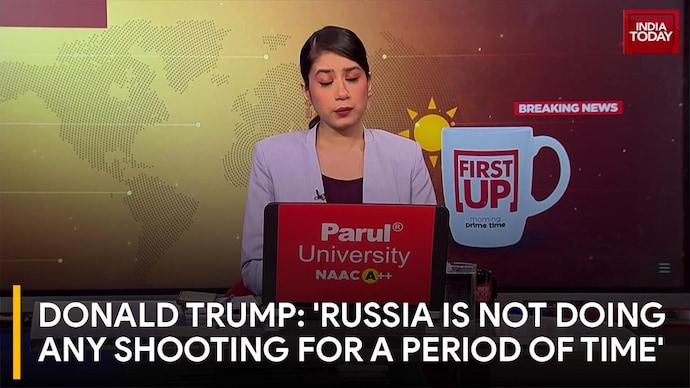
On this Special Report, the focus is on US President Donald Trump’s announcement regarding a temporary pause in the Russia-Ukraine conflict. Speaking on the matter, Trump stated, 'I have been told that Russia is not doing any shooting for a period of time during this horrendously cold weather.' He claimed to have personally requested Russian President Vladimir Putin to halt strikes on Kyiv and other cities for one week due to record-setting cold temperatures affecting the region. Ukrainian President Volodymyr Zelensky reportedly expressed gratitude for the initiative, specifically noting the halt of strikes on energy targets, while remaining cautious about Moscow's adherence to the agreement. The bulletin also highlights recent trilateral discussions between the US, Russia, and Ukraine in Abu Dhabi, aimed at establishing security and prosperity protocols. The report underscores the humanitarian impact of the extreme winter conditions in Ukraine, where temperatures have plummeted to -11 degrees Celsius, causing severe power outages and heating challenges for the population.

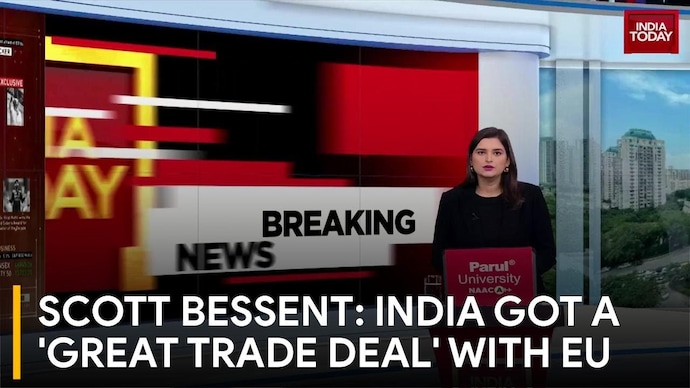
Scott Bessent Says India Got 'Great Trade Deal' With EU Amid US Tariff Row

On this Special Report, India Today examines the global reaction to the landmark India-European Union trade agreement, described by Prime Minister Narendra Modi as the 'mother of all deals.' US Treasury Secretary Scott Bessent noted that India has 'come out on top in this deal,' gaining significant market access and increased immigration opportunities to Europe. The reaction comes amid tensions, as Bessent previously suggested the EU was 'funding war against themselves' by purchasing Indian-refined oil sourced from Russia. The deal, which follows 20 years of negotiations, is expected to integrate supply chains and eliminate up to four billion euros in annual tariffs. While the United States has imposed 25% tariffs on India regarding Russian oil imports, this new pact creates a market of two billion people, linking Indian services and scale with European technology and capital. The programme analyzes how this diversification of markets signals a shift in global trade dynamics and India's growing economic influence.