Renault Triber to get turbo engine, underbody dual-cylinder CNG setup
Renault is set to update the Triber with a turbo-petrol engine and factory-fitted underbody CNG tanks, enhancing performance and practicality while retaining boot space and improving overall efficiency for buyers.
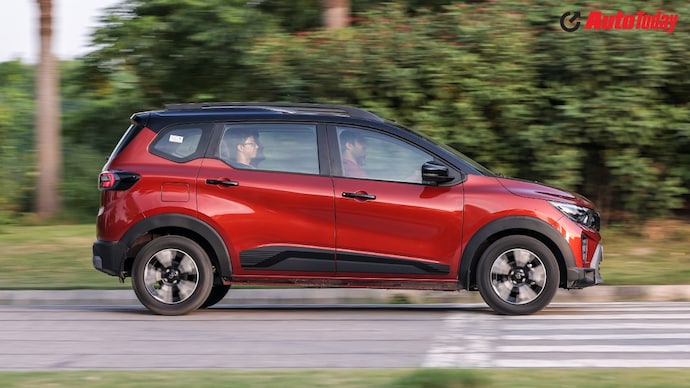
Renault is preparing a significant update for the Renault Triber, combining improved performance with enhanced practicality through the introduction of a turbocharged engine and a factory-fitted CNG option.
The Triber is set to receive a twin-cylinder CNG system developed at the factory level, marking Renault’s entry into the growing list of manufacturers in India offering integrated CNG solutions. Unlike earlier dealer-installed kits that compromised luggage capacity, the new setup positions the cylinders beneath the vehicle floor. This underbody packaging ensures that boot space remains fully usable, addressing one of the biggest drawbacks of aftermarket conversions.
This upgrade is part of Renault’s transition from its existing CMF-A platform to a revised architecture known as RGEP (Renault Global Entry Platform). The updated base allows for better integration of alternative fuel systems like CNG, along with improvements in electronic architecture and packaging flexibility.
Alongside the CNG addition, the Triber will also benefit from a long-awaited powertrain upgrade. Renault plans to introduce its 1.0-litre, three-cylinder turbo-petrol engine, currently seen in the Renault Kiger. In that application, the motor produces 100bhp and 160Nm of torque and is paired with either a manual gearbox or a CVT.
The turbocharged CNG combination will not be limited to the Triber. Renault is also expected to extend this powertrain to the Kiger, further strengthening its presence in the competitive compact segment.
The launch of the factory-fitted CNG variants is expected around the festive season. Pricing details are yet to be announced, though the new setup is expected to command a premium over the earlier dealer-installed kits.
Renault’s move comes at a time when CNG demand continues to surge in India, particularly among cost-conscious buyers. With lower running costs and increasing acceptance, CNG-powered vehicles have steadily gained ground, even surpassing diesel in popularity in recent years.
Subscribe to Auto Today Magazine
Renault is preparing a significant update for the Renault Triber, combining improved performance with enhanced practicality through the introduction of a turbocharged engine and a factory-fitted CNG option.
The Triber is set to receive a twin-cylinder CNG system developed at the factory level, marking Renault’s entry into the growing list of manufacturers in India offering integrated CNG solutions. Unlike earlier dealer-installed kits that compromised luggage capacity, the new setup positions the cylinders beneath the vehicle floor. This underbody packaging ensures that boot space remains fully usable, addressing one of the biggest drawbacks of aftermarket conversions.
This upgrade is part of Renault’s transition from its existing CMF-A platform to a revised architecture known as RGEP (Renault Global Entry Platform). The updated base allows for better integration of alternative fuel systems like CNG, along with improvements in electronic architecture and packaging flexibility.
Alongside the CNG addition, the Triber will also benefit from a long-awaited powertrain upgrade. Renault plans to introduce its 1.0-litre, three-cylinder turbo-petrol engine, currently seen in the Renault Kiger. In that application, the motor produces 100bhp and 160Nm of torque and is paired with either a manual gearbox or a CVT.
The turbocharged CNG combination will not be limited to the Triber. Renault is also expected to extend this powertrain to the Kiger, further strengthening its presence in the competitive compact segment.
The launch of the factory-fitted CNG variants is expected around the festive season. Pricing details are yet to be announced, though the new setup is expected to command a premium over the earlier dealer-installed kits.
Renault’s move comes at a time when CNG demand continues to surge in India, particularly among cost-conscious buyers. With lower running costs and increasing acceptance, CNG-powered vehicles have steadily gained ground, even surpassing diesel in popularity in recent years.
Subscribe to Auto Today Magazine

