Ethanol industry flags bias in Draft CAFE-III norms towards EVs and hybrids
The ethanol industry has flagged concerns over draft CAFE-III norms, warning they disproportionately favour electric vehicles and hybrids while underrepresenting ethanol-based pathways in the country's broader decarbonisation strategy.
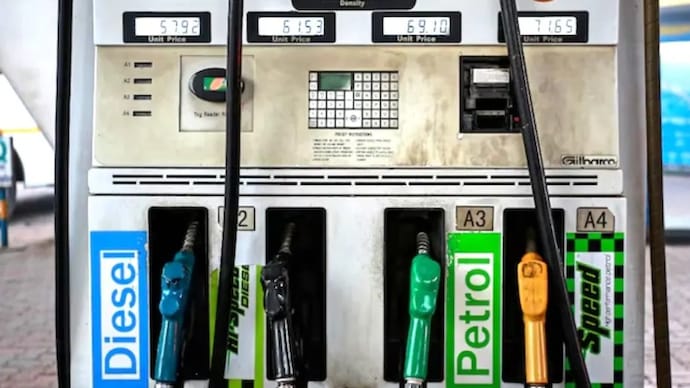
The ethanol industry has raised concerns over the government’s proposed Corporate Average Fuel Consumption (CAFE-III) norms, stating that the draft framework appears to favour electric mobility over ethanol-based solutions.
In a letter addressed to Petroleum Secretary Dr Neeraj Mittal, the All India Distillers’ Association (AIDA) described the draft norms for FY28–FY32 as "strategically imbalanced" in their treatment of various decarbonisation pathways.
While acknowledging the government’s intent to establish a more comprehensive compliance regime, the association noted that battery electric vehicles (BEVs) and plug-in hybrids benefit from stronger incentives, whereas standalone flex-fuel vehicles (FFVs) receive comparatively limited support.
Incentive gap under scrutiny
A key point of contention is the Volume Derogation Factor (VDF), a compliance multiplier under CAFE norms. The draft assigns a VDF of around 1.1 to FFVs, which AIDA argues does not adequately reflect their contribution to emissions reduction and energy security.
The association said this approach is inconsistent with India’s broader ethanol push, particularly in light of investments and policy support under the Ethanol Blended Petrol (EBP) programme.
In comparison, EVs and plug-in hybrids receive more favourable compliance treatment, which the industry body believes creates a skewed policy framework.
Call for policy recalibration
AIDA has urged the government to adopt a technology-neutral, portfolio-based approach that incentivises electrification, hybridisation, and ethanol-based fuels in parallel.
It has recommended increasing the VDF for flex-fuel vehicles to a range of 2.0–2.5, stating that such a revision would better account for their environmental and economic benefits.
The association also called for aligning CAFE-III norms with India’s ethanol roadmap beyond E20 to ensure consistency across fuel and mobility policies.
Lifecycle emissions in focus
Another key demand is the inclusion of well-to-wheel emissions benefits of ethanol fuels, particularly those derived from domestic renewable feedstocks.
AIDA cautioned that the current framework risks creating a policy disconnect by not fully accounting for these lifecycle emissions advantages.
It added that ethanol-based mobility solutions, especially FFVs, offer an immediately deployable and cost-effective pathway to decarbonisation without the infrastructure and import dependencies associated with rapid electrification.
EV-first vs multi-path debate
The industry’s response highlights a broader policy debate over whether India should prioritise an EV-led transition or pursue a multi-fuel strategy incorporating ethanol and hybrid technologies.
While electrification remains central to clean mobility goals, the government has also expanded ethanol blending to reduce crude oil imports and support the rural economy.
Subscribe to Auto Today Magazine
The ethanol industry has raised concerns over the government’s proposed Corporate Average Fuel Consumption (CAFE-III) norms, stating that the draft framework appears to favour electric mobility over ethanol-based solutions.
In a letter addressed to Petroleum Secretary Dr Neeraj Mittal, the All India Distillers’ Association (AIDA) described the draft norms for FY28–FY32 as "strategically imbalanced" in their treatment of various decarbonisation pathways.
While acknowledging the government’s intent to establish a more comprehensive compliance regime, the association noted that battery electric vehicles (BEVs) and plug-in hybrids benefit from stronger incentives, whereas standalone flex-fuel vehicles (FFVs) receive comparatively limited support.
Incentive gap under scrutiny
A key point of contention is the Volume Derogation Factor (VDF), a compliance multiplier under CAFE norms. The draft assigns a VDF of around 1.1 to FFVs, which AIDA argues does not adequately reflect their contribution to emissions reduction and energy security.
The association said this approach is inconsistent with India’s broader ethanol push, particularly in light of investments and policy support under the Ethanol Blended Petrol (EBP) programme.
In comparison, EVs and plug-in hybrids receive more favourable compliance treatment, which the industry body believes creates a skewed policy framework.
Call for policy recalibration
AIDA has urged the government to adopt a technology-neutral, portfolio-based approach that incentivises electrification, hybridisation, and ethanol-based fuels in parallel.
It has recommended increasing the VDF for flex-fuel vehicles to a range of 2.0–2.5, stating that such a revision would better account for their environmental and economic benefits.
The association also called for aligning CAFE-III norms with India’s ethanol roadmap beyond E20 to ensure consistency across fuel and mobility policies.
Lifecycle emissions in focus
Another key demand is the inclusion of well-to-wheel emissions benefits of ethanol fuels, particularly those derived from domestic renewable feedstocks.
AIDA cautioned that the current framework risks creating a policy disconnect by not fully accounting for these lifecycle emissions advantages.
It added that ethanol-based mobility solutions, especially FFVs, offer an immediately deployable and cost-effective pathway to decarbonisation without the infrastructure and import dependencies associated with rapid electrification.
EV-first vs multi-path debate
The industry’s response highlights a broader policy debate over whether India should prioritise an EV-led transition or pursue a multi-fuel strategy incorporating ethanol and hybrid technologies.
While electrification remains central to clean mobility goals, the government has also expanded ethanol blending to reduce crude oil imports and support the rural economy.
Subscribe to Auto Today Magazine

