Signs E20 and non-E20 vehicles give out when fed with higher ethanol content
The shift to ethanol-blended fuels is still relatively recent. Non-E20-ready vehicles may develop problems if they are regularly fuelled with E20 or higher blends. Keep an eye out for these warning signs.
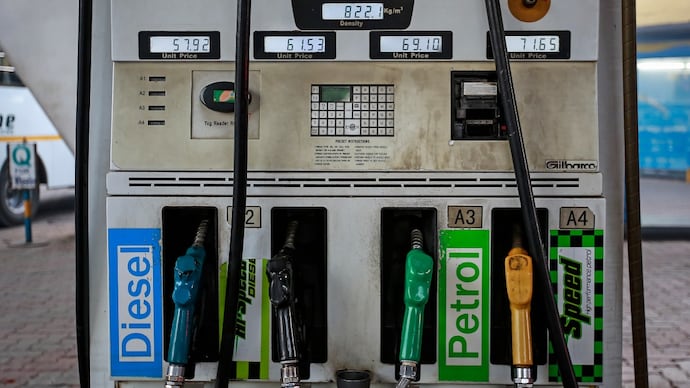
What happens if you feed grass to a tiger? It simply isn't designed to digest it. In many ways, the same principle applies when older, non-E20-compatible vehicles are regularly fuelled with higher ethanol blends. Components that were never engineered to handle increased ethanol content can begin to deteriorate, leading to a range of performance and reliability issues.
If you've started noticing hard starts, reduced fuel economy, rough idling, or a drop in overall performance, it's time to pay close attention to your vehicle. The effects of E20 fuel can show up across multiple systems, from the fuel delivery setup to engine components and emissions equipment.
Let's break down the potential trouble spots and warning signs system by system.
Engine issue symptoms
You might notice that your car feels more sluggish than before. Acceleration may not be as responsive as it once was. Don't worry, this is partly because ethanol has a lower energy density than pure petrol, resulting in slightly reduced performance and fuel economy.
You may also experience occasional starting issues. While the problem may occur only once in a while in some vehicles, older engines can suffer from it more frequently.
Here's what it might feel like: you start the engine, but it knocks or runs roughly and then stalls. When you crank it again, the engine starts, but the idle remains uneven. In such situations, allow the engine to idle for a few moments until it stabilises on its own.
Also, avoid pumping the accelerator if your vehicle is equipped with fuel injection, as modern engine management systems handle fuel delivery automatically. However, in older carburetted vehicles, a slight press of the accelerator may sometimes help during starting.
Fuel system groans
Expect a noticeable drop in fuel economy. Cars that were previously highly efficient, delivering up to 18kmpl in city driving, may see their mileage fall to around 13kmpl.
Many owners have also reported a strong fuel smell inside or around the vehicle. This could indicate a leak in the fuel system or even damage to the fuel tank.
Your vehicle may also experience unexpected stalling, engine misfires, and other drivability issues. In some cases, these problems can be caused by clogged fuel lines. If you notice any of these symptoms, have the fuel system inspected by a qualified technician.
Electronic alerts
In modern cars equipped with sophisticated fuel injection systems, expect the check engine light to illuminate frequently. This happens because the system is quite obviously struggling to cope with the oxygen-heavy blend. Hence, the error code!
Subscribe to Auto Today Magazine
What happens if you feed grass to a tiger? It simply isn't designed to digest it. In many ways, the same principle applies when older, non-E20-compatible vehicles are regularly fuelled with higher ethanol blends. Components that were never engineered to handle increased ethanol content can begin to deteriorate, leading to a range of performance and reliability issues.
If you've started noticing hard starts, reduced fuel economy, rough idling, or a drop in overall performance, it's time to pay close attention to your vehicle. The effects of E20 fuel can show up across multiple systems, from the fuel delivery setup to engine components and emissions equipment.
Let's break down the potential trouble spots and warning signs system by system.
Engine issue symptoms
You might notice that your car feels more sluggish than before. Acceleration may not be as responsive as it once was. Don't worry, this is partly because ethanol has a lower energy density than pure petrol, resulting in slightly reduced performance and fuel economy.
You may also experience occasional starting issues. While the problem may occur only once in a while in some vehicles, older engines can suffer from it more frequently.
Here's what it might feel like: you start the engine, but it knocks or runs roughly and then stalls. When you crank it again, the engine starts, but the idle remains uneven. In such situations, allow the engine to idle for a few moments until it stabilises on its own.
Also, avoid pumping the accelerator if your vehicle is equipped with fuel injection, as modern engine management systems handle fuel delivery automatically. However, in older carburetted vehicles, a slight press of the accelerator may sometimes help during starting.
Fuel system groans
Expect a noticeable drop in fuel economy. Cars that were previously highly efficient, delivering up to 18kmpl in city driving, may see their mileage fall to around 13kmpl.
Many owners have also reported a strong fuel smell inside or around the vehicle. This could indicate a leak in the fuel system or even damage to the fuel tank.
Your vehicle may also experience unexpected stalling, engine misfires, and other drivability issues. In some cases, these problems can be caused by clogged fuel lines. If you notice any of these symptoms, have the fuel system inspected by a qualified technician.
Electronic alerts
In modern cars equipped with sophisticated fuel injection systems, expect the check engine light to illuminate frequently. This happens because the system is quite obviously struggling to cope with the oxygen-heavy blend. Hence, the error code!
Subscribe to Auto Today Magazine

