21–30 year olds drive 46% of education loans: Why are young Indians borrowing?
Are young Indians borrowing only for emergencies and shopping anymore? Not quite. A growing number are now taking loans for something very different, i.e., learning new skills and improving career prospects. Let's have a look.
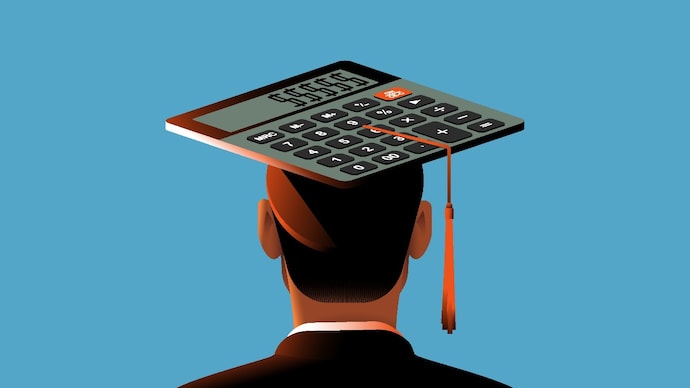
For many young Indians, learning no longer ends with college. A degree may help open the first door, but staying relevant at work often means constantly adding new skills, certifications and training. The pressure to keep up is real, and increasingly, so is the cost.
Whether it is preparing for a government exam, enrolling in a coding bootcamp, learning a foreign language or signing up for a short online course, education is slowly becoming a regular expense rather than a one-time milestone. And many young earners are choosing not to wait until they have enough savings.
A growing number are borrowing to learn.
YOUNG BORROWERS ARE LEADING THE TREND
Data from RupeeRedee, a digital lending platform, shows that education-related borrowing is gaining traction among younger Indians. In the last financial year, around 14% of all personal loan borrowers took loans linked to education.
What stands out is the age profile.
Nearly 46% of these education-related loans were taken by people between the ages of 21 and 30. Another 16.1% came from borrowers aged 31 to 35. Together, this points to one clear shift: education borrowing is increasingly being driven by working-age adults rather than only students or families paying college fees.
Out of 22,65,697 total loans in the dataset, 3,15,540 were categorised as education loans.
IT IS NOT ONLY ABOUT COLLEGE ANYMORE
Traditionally, education loans were associated with expensive degrees or higher education. But the numbers now suggest something different.
Many younger borrowers appear to be using credit for shorter learning goals, i.e., coaching classes, professional certifications, skill programmes or career-focused courses.
The data does not separate whether loans are taken for personal education or for children’s studies. Still, the age trend offers an important clue.
Artem Andreev, CEO at FincFriends, believes much of this borrowing is likely tied to self-improvement.
“Such a mix suggests that a large portion of this borrowing is linked to self-driven learning. Early-career borrowers are most likely funding courses to get their first job, upgrade skills, or move into better-paying roles,” he said.
In many ways, education is beginning to look less like a one-time investment and more like an ongoing subscription to career growth.
SMALL LOAN SIZES TELL A BIGGER STORY
Interestingly, these are not huge loans.
The average education loan amount in the dataset stands at Rs 14,928, i.e., lower than categories such as home renovation and even some lifestyle expenses.
That matters because it changes the conversation.
Instead of large degree financing, the borrowing appears to reflect smaller but repeated expenses — one course at a time, one exam cycle after another, or one certification every few months.
This also matches how online learning now works. Many courses are modular, short-term and paid for in stages rather than upfront.
WHY YOUNG EARNERS ARE BORROWING INSTEAD OF WAITING
The trend is also closely linked to income realities.
Nearly 60% of education borrowers earned between Rs 20,000 and Rs 40,000 a month, while the median monthly income stood at around 30,000.
For many people in their twenties, paying Rs 10,000–Rs 20,000 at once for a course may feel difficult after rent, bills and everyday expenses.
So instead of postponing learning, many are spreading the cost through small personal loans.
The thinking is simple: if gaining a new skill can improve salary prospects or help land a better job, the cost feels easier to justify.
LEARNING HAS BECOME A REPEAT PROCESS
Perhaps the biggest takeaway from the data is that borrowing for education is rarely a one-time decision.
Education borrowers showed an average reapplication gap of 63 days, while 77% returned for another loan within 12 to 24 months. In many cases, repeat borrowing was again linked to education.
This suggests something important: learning today is happening in stages.
People finish one course, then take another. They clear one exam and prepare for the next. A single degree is no longer seen as enough to sustain a long career.
Andreev said this reflects a larger change in mindset.
“Mid-career borrowers are likely using loans to stay relevant, switch tracks, or add qualifications that help with promotion cycles. Even the above-40 segment signals something important. Learning is no longer limited to one phase of life. It is being treated as ongoing,” he added.
NOT JUST A BIG-CITY STORY
The trend is not limited to metro cities.
States such as Tamil Nadu, Telangana, Andhra Pradesh, Karnataka and Bihar showed strong education-loan demand. Smaller regions like Puducherry, Mizoram and Meghalaya also recorded high usage.
This suggests that borrowing for learning is spreading beyond major urban centres, particularly in places where skill upgrades can improve access to jobs and income opportunities.
A GENDER GAP STILL REMAINS
One part of the story remains uneven.
Only 21% of education borrowers were women, while men accounted for 79%.
The reasons may vary, from differences in access to credit to financial decision-making within households. But as learning becomes increasingly important for career growth, the gap raises questions about whether women are getting equal financial access to education opportunities.
Meanwhile, the larger story here is not simply about loans. It is about how careers are changing.
For younger Indians, education is no longer something completed in the early years of life. It is becoming a continuous process, i.e., one that often needs money, planning and sometimes credit.
And for many in their twenties, borrowing has quietly become part of the price of staying employable.
For many young Indians, learning no longer ends with college. A degree may help open the first door, but staying relevant at work often means constantly adding new skills, certifications and training. The pressure to keep up is real, and increasingly, so is the cost.
Whether it is preparing for a government exam, enrolling in a coding bootcamp, learning a foreign language or signing up for a short online course, education is slowly becoming a regular expense rather than a one-time milestone. And many young earners are choosing not to wait until they have enough savings.
A growing number are borrowing to learn.
YOUNG BORROWERS ARE LEADING THE TREND
Data from RupeeRedee, a digital lending platform, shows that education-related borrowing is gaining traction among younger Indians. In the last financial year, around 14% of all personal loan borrowers took loans linked to education.
What stands out is the age profile.
Nearly 46% of these education-related loans were taken by people between the ages of 21 and 30. Another 16.1% came from borrowers aged 31 to 35. Together, this points to one clear shift: education borrowing is increasingly being driven by working-age adults rather than only students or families paying college fees.
Out of 22,65,697 total loans in the dataset, 3,15,540 were categorised as education loans.
IT IS NOT ONLY ABOUT COLLEGE ANYMORE
Traditionally, education loans were associated with expensive degrees or higher education. But the numbers now suggest something different.
Many younger borrowers appear to be using credit for shorter learning goals, i.e., coaching classes, professional certifications, skill programmes or career-focused courses.
The data does not separate whether loans are taken for personal education or for children’s studies. Still, the age trend offers an important clue.
Artem Andreev, CEO at FincFriends, believes much of this borrowing is likely tied to self-improvement.
“Such a mix suggests that a large portion of this borrowing is linked to self-driven learning. Early-career borrowers are most likely funding courses to get their first job, upgrade skills, or move into better-paying roles,” he said.
In many ways, education is beginning to look less like a one-time investment and more like an ongoing subscription to career growth.
SMALL LOAN SIZES TELL A BIGGER STORY
Interestingly, these are not huge loans.
The average education loan amount in the dataset stands at Rs 14,928, i.e., lower than categories such as home renovation and even some lifestyle expenses.
That matters because it changes the conversation.
Instead of large degree financing, the borrowing appears to reflect smaller but repeated expenses — one course at a time, one exam cycle after another, or one certification every few months.
This also matches how online learning now works. Many courses are modular, short-term and paid for in stages rather than upfront.
WHY YOUNG EARNERS ARE BORROWING INSTEAD OF WAITING
The trend is also closely linked to income realities.
Nearly 60% of education borrowers earned between Rs 20,000 and Rs 40,000 a month, while the median monthly income stood at around 30,000.
For many people in their twenties, paying Rs 10,000–Rs 20,000 at once for a course may feel difficult after rent, bills and everyday expenses.
So instead of postponing learning, many are spreading the cost through small personal loans.
The thinking is simple: if gaining a new skill can improve salary prospects or help land a better job, the cost feels easier to justify.
LEARNING HAS BECOME A REPEAT PROCESS
Perhaps the biggest takeaway from the data is that borrowing for education is rarely a one-time decision.
Education borrowers showed an average reapplication gap of 63 days, while 77% returned for another loan within 12 to 24 months. In many cases, repeat borrowing was again linked to education.
This suggests something important: learning today is happening in stages.
People finish one course, then take another. They clear one exam and prepare for the next. A single degree is no longer seen as enough to sustain a long career.
Andreev said this reflects a larger change in mindset.
“Mid-career borrowers are likely using loans to stay relevant, switch tracks, or add qualifications that help with promotion cycles. Even the above-40 segment signals something important. Learning is no longer limited to one phase of life. It is being treated as ongoing,” he added.
NOT JUST A BIG-CITY STORY
The trend is not limited to metro cities.
States such as Tamil Nadu, Telangana, Andhra Pradesh, Karnataka and Bihar showed strong education-loan demand. Smaller regions like Puducherry, Mizoram and Meghalaya also recorded high usage.
This suggests that borrowing for learning is spreading beyond major urban centres, particularly in places where skill upgrades can improve access to jobs and income opportunities.
A GENDER GAP STILL REMAINS
One part of the story remains uneven.
Only 21% of education borrowers were women, while men accounted for 79%.
The reasons may vary, from differences in access to credit to financial decision-making within households. But as learning becomes increasingly important for career growth, the gap raises questions about whether women are getting equal financial access to education opportunities.
Meanwhile, the larger story here is not simply about loans. It is about how careers are changing.
For younger Indians, education is no longer something completed in the early years of life. It is becoming a continuous process, i.e., one that often needs money, planning and sometimes credit.
And for many in their twenties, borrowing has quietly become part of the price of staying employable.

