CNG prices hiked by Rs 2 per kg, cumulative rise of Rs 7 in 11 days
This is the third CNG price hike in the last nine days and the fourth increase within 11 days. Earlier, CNG prices were raised by Re 1 per kg on Sunday.
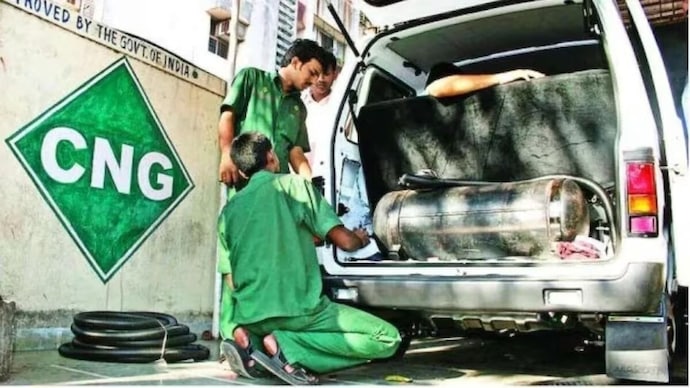
In a further financial blow for consumers, CNG prices were hiked again on Tuesday, up by Rs 2 per kg from the previous rate, marking the fourth increase in less than two weeks amid rising global energy prices. With the latest revision effective from 6 am on May 26, CNG in Delhi now costs Rs 83.09 per kg.
This is the third CNG price hike in the last nine days and the fourth increase within 11 days. Earlier, CNG prices were raised by Re 1 per kg on Sunday.
Before that, CNG prices in Delhi-NCR were raised by Re 1 per kg on Friday, following a Rs 2 per kg hike on May 15. The cumulative increase in CNG prices in Delhi since May 15 now stands at Rs 7 per kg.
However, there has been no change so far in the prices of piped natural gas supplied to households or domestic LPG cylinders.
The latest round of fuel price hikes comes as oil marketing companies continue to face pressure from rising global crude oil prices.
Industry sources have linked the surge to fears of disruption in the Strait of Hormuz, a key global oil transit route, amid the ongoing US-Iran conflict.
The fresh hike comes amid continued volatility in international crude oil markets triggered by supply concerns linked to tensions in the Gulf region. Brent Crude is selling at USD 86 per barrel, up from USD 72 before the Middle East conflict broke out on February 28.
STEADY SURGE IN OIL PRICES
The latest CNG price hike comes just three days after petrol and diesel prices were hiked again across the country on Saturday, marking the third increase in fuel rates this month amid rising global crude oil prices and escalating geopolitical tensions in West Asia.
According to a PTI report, petrol prices increased by 87 paise per litre, while diesel prices saw a hike of 91 paise per litre. In Delhi, petrol now costs Rs 99.51 per litre, up from Rs 98.64, while diesel prices have risen from Rs 91.58 to Rs 92.49 per litre.
The latest revision comes as state-owned oil marketing companies continue to pass on the impact of higher international oil prices to consumers.
The price hike also follows the Petroleum Ministry’s assurance that India has adequate fuel supplies despite market rumours over shortages.
Fuel prices differ from state to state because of variations in local taxes and levies.
India’s fuel retail market is dominated by three state-run companies — Indian Oil Corporation (IOC), Bharat Petroleum Corporation Limited (BPCL), and Hindustan Petroleum Corporation Limited (HPCL) — which together account for nearly 90 per cent of fuel sales across the country.
The consecutive hikes in petrol and diesel prices follow a sharp rise in international crude oil rates, which have climbed more than 50 per cent since late February amid escalating tensions in West Asia, including US-Israeli military action against Iran and supply concerns around the Strait of Hormuz, one of the world’s busiest oil shipping corridors.
Despite mounting global costs, fuel retailers had earlier refrained from increasing retail prices, with the government maintaining that the move was intended to cushion consumers from inflationary pressure.
FUEL PRICE HIKE IMPACT ACROSS SECTORS
The latest fuel price hike is expected to increase financial pressure on commuters, transport operators and businesses across sectors.
Analysts say repeated rises in fuel prices could raise transportation and logistics expenses, leading to higher prices for essential commodities and food products.
Despite concerns, government officials defended the move, saying the revisions are necessary to balance rising crude import costs and maintain stable fuel supplies during ongoing geopolitical uncertainty.
India imports nearly 85 per cent of its crude oil needs, making domestic fuel prices highly sensitive to global market fluctuations.
Fears of potential supply disruptions through the strategically important Strait of Hormuz have also added to concerns over rising international oil prices and energy security.
In a further financial blow for consumers, CNG prices were hiked again on Tuesday, up by Rs 2 per kg from the previous rate, marking the fourth increase in less than two weeks amid rising global energy prices. With the latest revision effective from 6 am on May 26, CNG in Delhi now costs Rs 83.09 per kg.
This is the third CNG price hike in the last nine days and the fourth increase within 11 days. Earlier, CNG prices were raised by Re 1 per kg on Sunday.
Before that, CNG prices in Delhi-NCR were raised by Re 1 per kg on Friday, following a Rs 2 per kg hike on May 15. The cumulative increase in CNG prices in Delhi since May 15 now stands at Rs 7 per kg.
However, there has been no change so far in the prices of piped natural gas supplied to households or domestic LPG cylinders.
The latest round of fuel price hikes comes as oil marketing companies continue to face pressure from rising global crude oil prices.
Industry sources have linked the surge to fears of disruption in the Strait of Hormuz, a key global oil transit route, amid the ongoing US-Iran conflict.
The fresh hike comes amid continued volatility in international crude oil markets triggered by supply concerns linked to tensions in the Gulf region. Brent Crude is selling at USD 86 per barrel, up from USD 72 before the Middle East conflict broke out on February 28.
STEADY SURGE IN OIL PRICES
The latest CNG price hike comes just three days after petrol and diesel prices were hiked again across the country on Saturday, marking the third increase in fuel rates this month amid rising global crude oil prices and escalating geopolitical tensions in West Asia.
According to a PTI report, petrol prices increased by 87 paise per litre, while diesel prices saw a hike of 91 paise per litre. In Delhi, petrol now costs Rs 99.51 per litre, up from Rs 98.64, while diesel prices have risen from Rs 91.58 to Rs 92.49 per litre.
The latest revision comes as state-owned oil marketing companies continue to pass on the impact of higher international oil prices to consumers.
The price hike also follows the Petroleum Ministry’s assurance that India has adequate fuel supplies despite market rumours over shortages.
Fuel prices differ from state to state because of variations in local taxes and levies.
India’s fuel retail market is dominated by three state-run companies — Indian Oil Corporation (IOC), Bharat Petroleum Corporation Limited (BPCL), and Hindustan Petroleum Corporation Limited (HPCL) — which together account for nearly 90 per cent of fuel sales across the country.
The consecutive hikes in petrol and diesel prices follow a sharp rise in international crude oil rates, which have climbed more than 50 per cent since late February amid escalating tensions in West Asia, including US-Israeli military action against Iran and supply concerns around the Strait of Hormuz, one of the world’s busiest oil shipping corridors.
Despite mounting global costs, fuel retailers had earlier refrained from increasing retail prices, with the government maintaining that the move was intended to cushion consumers from inflationary pressure.
FUEL PRICE HIKE IMPACT ACROSS SECTORS
The latest fuel price hike is expected to increase financial pressure on commuters, transport operators and businesses across sectors.
Analysts say repeated rises in fuel prices could raise transportation and logistics expenses, leading to higher prices for essential commodities and food products.
Despite concerns, government officials defended the move, saying the revisions are necessary to balance rising crude import costs and maintain stable fuel supplies during ongoing geopolitical uncertainty.
India imports nearly 85 per cent of its crude oil needs, making domestic fuel prices highly sensitive to global market fluctuations.
Fears of potential supply disruptions through the strategically important Strait of Hormuz have also added to concerns over rising international oil prices and energy security.

