Lufthansa cuts 20,000 flights to save fuel costs as prices surge
Jet fuel is one of the largest cost components for airlines, and a surge in prices has made several short-haul routes unviable. To manage this, Lufthansa is pulling back from unprofitable routes.
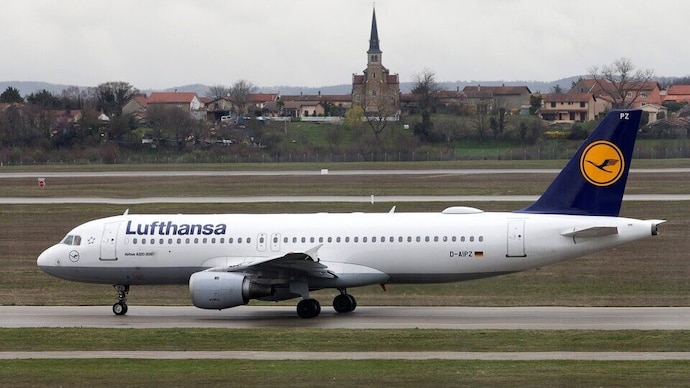
Rising fuel costs are forcing airlines to rethink their schedules, and Lufthansa Group has become the latest to act. The European aviation major is cutting around 20,000 short-haul flights this summer as it looks to reduce expenses and improve efficiency amid a sharp spike in jet fuel prices.
The move will lead to a marginal reduction of less than 1% in the Group’s overall capacity, measured in available seat kilometres (ASK).
However, the impact on costs is significant, with Lufthansa estimating savings of more than 40,000 metric tonnes of jet fuel through October.
FUEL COSTS DRIVE CUTS
At the heart of the decision is a steep rise in fuel prices, which have doubled since the escalation of the Iran conflict.
Jet fuel is one of the largest cost components for airlines, and such a surge has made several short-haul routes unviable.
To manage this, Lufthansa is pulling back from unprofitable routes, particularly from its key hubs in Frankfurt and Munich, while maintaining overall network connectivity.
The airline group has highlighted that the strategy is about efficiency rather than downsizing its global presence.
While some routes are being suspended, Lufthansa is simultaneously expanding services through other hubs such as Zurich, Vienna and Brussels. This allows the Group to retain access to its global network, especially long-haul routes, while optimising operations.
The restructuring is being carried out across Lufthansa’s six major hubs — Frankfurt, Munich, Zurich, Vienna, Brussels and Rome — and involves its key airlines including Lufthansa, SWISS, Austrian Airlines, Brussels Airlines and ITA Airways.
SHORT-TERM AND LONG-TERM CHANGES
The first phase of adjustments has already begun. Around 120 daily flight cancellations have been implemented, effective until May 31, with affected passengers being notified.
Several routes have been temporarily removed from the schedule, including flights from Frankfurt to Bydgoszcz and Rzeszƒów in Poland, and Stavanger in Norway. At the same time, multiple connections are being consolidated through alternative hubs within the Group’s network.
Further changes are on the way. Lufthansa plans to revise its medium-term route strategy, with updated schedules for the summer expected to be published in late April or early May.
Despite the cuts, Lufthansa has said its jet fuel supply remains secure for the coming weeks. The airline is also using a combination of physical procurement and price hedging to manage volatility in fuel costs.
The broader strategy reflects a shift in how airlines are responding to geopolitical shocks. Instead of absorbing rising costs, carriers are increasingly trimming inefficient routes and focusing on profitability.
For Lufthansa, the message is clear: in a high-cost environment, flying less can sometimes be the most efficient way to stay competitive.
Rising fuel costs are forcing airlines to rethink their schedules, and Lufthansa Group has become the latest to act. The European aviation major is cutting around 20,000 short-haul flights this summer as it looks to reduce expenses and improve efficiency amid a sharp spike in jet fuel prices.
The move will lead to a marginal reduction of less than 1% in the Group’s overall capacity, measured in available seat kilometres (ASK).
However, the impact on costs is significant, with Lufthansa estimating savings of more than 40,000 metric tonnes of jet fuel through October.
FUEL COSTS DRIVE CUTS
At the heart of the decision is a steep rise in fuel prices, which have doubled since the escalation of the Iran conflict.
Jet fuel is one of the largest cost components for airlines, and such a surge has made several short-haul routes unviable.
To manage this, Lufthansa is pulling back from unprofitable routes, particularly from its key hubs in Frankfurt and Munich, while maintaining overall network connectivity.
The airline group has highlighted that the strategy is about efficiency rather than downsizing its global presence.
While some routes are being suspended, Lufthansa is simultaneously expanding services through other hubs such as Zurich, Vienna and Brussels. This allows the Group to retain access to its global network, especially long-haul routes, while optimising operations.
The restructuring is being carried out across Lufthansa’s six major hubs — Frankfurt, Munich, Zurich, Vienna, Brussels and Rome — and involves its key airlines including Lufthansa, SWISS, Austrian Airlines, Brussels Airlines and ITA Airways.
SHORT-TERM AND LONG-TERM CHANGES
The first phase of adjustments has already begun. Around 120 daily flight cancellations have been implemented, effective until May 31, with affected passengers being notified.
Several routes have been temporarily removed from the schedule, including flights from Frankfurt to Bydgoszcz and Rzeszƒów in Poland, and Stavanger in Norway. At the same time, multiple connections are being consolidated through alternative hubs within the Group’s network.
Further changes are on the way. Lufthansa plans to revise its medium-term route strategy, with updated schedules for the summer expected to be published in late April or early May.
Despite the cuts, Lufthansa has said its jet fuel supply remains secure for the coming weeks. The airline is also using a combination of physical procurement and price hedging to manage volatility in fuel costs.
The broader strategy reflects a shift in how airlines are responding to geopolitical shocks. Instead of absorbing rising costs, carriers are increasingly trimming inefficient routes and focusing on profitability.
For Lufthansa, the message is clear: in a high-cost environment, flying less can sometimes be the most efficient way to stay competitive.

