HPCL dealers allege pressure to push 'Power Petrol' amid fuel price hike
Petrol dealers have alleged that state-run oil firms are pressuring them to prioritise premium fuel orders amid a fresh Rs 3 per litre hike. The claim has added to concerns over consumer choice and retail fuel availability during the West Asia-linked energy crisis.
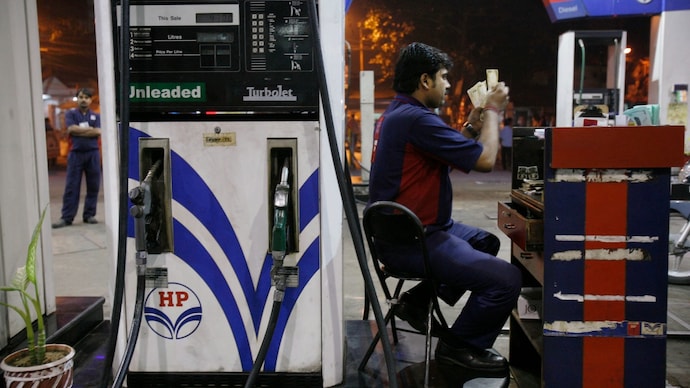
As petrol and diesel prices rose by Rs 3 per litre on Thursday amid the deepening energy crisis linked to the ongoing West Asia conflict, petrol dealers associated with Hindustan Petroleum Corporation Limited,(HPCL) have faced pressure to prioritise sales of the company’s premium fuel variant, ‘Power Petrol’.
The allegations were made by the Consortium of Indian Petroleum Dealers (CIPD) in a letter addressed to HPCL’s Director Marketing, where the dealers’ body claimed that some dealers were facing operational pressure during fuel indent execution and were allegedly being encouraged to place orders for Power Petrol alongside regular petrol.
The letter, sent to HPCL’s Director Marketing on May 13, claimed dealers were facing operational pressure while placing fuel indents and were being encouraged to prioritise the company’s premium petrol variant, ‘Power Petrol’, over ordinary fuel.
The issue has emerged as global crude oil markets remain volatile following the escalation of tensions in West Asia. Shipping costs, insurance premiums and import-related expenses have increased sharply over the past few weeks, putting financial pressure on oil marketing companies (OMCs).
Industry estimates suggest OMCs have been absorbing losses due to controlled pricing mechanisms and volatile international crude prices, particularly in diesel and domestic fuel categories.
WHAT DEALERS ARE ALLEGING
Speaking to indiatoday.tech, CIPD President Uday Lodh said dealers were not against selling premium fuel, but objected to the manner in which pressure was allegedly being created operationally.
“Every company has one premium brand. HPCL has Power, BPCL has Speed and IOC has XP95. The rate is around Rs 8 to Rs 10 above normal petrol,” Lodh said.
He claimed dealers were facing pressure from sales offices while placing fuel indents.
“When we send our indents, there is pressure from sales offices that we should also go for Power. The pressure is for Power,” he said.
According to Lodh, premium fuel becomes commercially important for oil companies during periods of stress because such products offer better margins.
“It is a product outside the purview of price control. Today oil companies are facing huge losses because of this current situation and there they are able to recover it little better,” he said.
Lodh further alleged that dealers often faced delays or priority-related issues in fuel loading if premium fuel indents were not placed.
“They say if you give this thing, then only we will give the load. Power indents are always on priority,” he claimed.
The CIPD letter stated that dealers were facing “serious operational concerns” linked to what it described as forced premium fuel sales and restrictions in indent execution.
WHY THIS MATTERS FOR CONSUMERS
The development is significant for ordinary consumers because it comes at a time when fuel prices are already climbing and concerns around availability have intensified in several regions.
In recent days, panic buying and black-market pricing have been reported in parts of the country, especially in LPG and commercial fuel segments, amid fears of supply disruptions linked to the West Asia conflict.
Dealers say forcing higher-priced premium fuel onto pumps could create additional pressure on consumers already struggling with rising transport and household energy costs.
“It is not that we are against Power, but by putting extra money we can’t force it to the customer,” Lodh said.
He also said dealers and pump workers were often not adequately trained to explain premium fuel benefits to customers.
“If my boys are dispensing the product, they are 10-pass level staff. We are just told that it gives better result, that’s all,” he said.
According to the dealers’ body, customers often believe dealers are intentionally pushing expensive fuel products for personal gain.
“Customer doesn’t know any economics or calculations behind this. They think we have some extra interest in selling that,” Lodh said.
NO WRITTEN ORDER, CLAIMS DEALER BODY
The CIPD acknowledged that there was no written circular or formal communication mandating such practices.
“There is no circular, there is no communication, but operational distribution, it is there,” Lodh alleged.
The association also argued in its letter that consumers have the right to choose ordinary petrol and dealers cannot legally refuse supply of regular fuel.
The letter further stated that while oil companies had publicly maintained there was no fuel shortage, such operational practices could create “artificial constraints” at the retail level.
indiatoday.tech reached out to HPCL seeking its response on the allegations made in the CIPD letter, including claims related to indent restrictions and premium fuel pressure. The company had not responded till the time of publication.
As petrol and diesel prices rose by Rs 3 per litre on Thursday amid the deepening energy crisis linked to the ongoing West Asia conflict, petrol dealers associated with Hindustan Petroleum Corporation Limited,(HPCL) have faced pressure to prioritise sales of the company’s premium fuel variant, ‘Power Petrol’.
The allegations were made by the Consortium of Indian Petroleum Dealers (CIPD) in a letter addressed to HPCL’s Director Marketing, where the dealers’ body claimed that some dealers were facing operational pressure during fuel indent execution and were allegedly being encouraged to place orders for Power Petrol alongside regular petrol.
The letter, sent to HPCL’s Director Marketing on May 13, claimed dealers were facing operational pressure while placing fuel indents and were being encouraged to prioritise the company’s premium petrol variant, ‘Power Petrol’, over ordinary fuel.
The issue has emerged as global crude oil markets remain volatile following the escalation of tensions in West Asia. Shipping costs, insurance premiums and import-related expenses have increased sharply over the past few weeks, putting financial pressure on oil marketing companies (OMCs).
Industry estimates suggest OMCs have been absorbing losses due to controlled pricing mechanisms and volatile international crude prices, particularly in diesel and domestic fuel categories.
WHAT DEALERS ARE ALLEGING
Speaking to indiatoday.tech, CIPD President Uday Lodh said dealers were not against selling premium fuel, but objected to the manner in which pressure was allegedly being created operationally.
“Every company has one premium brand. HPCL has Power, BPCL has Speed and IOC has XP95. The rate is around Rs 8 to Rs 10 above normal petrol,” Lodh said.
He claimed dealers were facing pressure from sales offices while placing fuel indents.
“When we send our indents, there is pressure from sales offices that we should also go for Power. The pressure is for Power,” he said.
According to Lodh, premium fuel becomes commercially important for oil companies during periods of stress because such products offer better margins.
“It is a product outside the purview of price control. Today oil companies are facing huge losses because of this current situation and there they are able to recover it little better,” he said.
Lodh further alleged that dealers often faced delays or priority-related issues in fuel loading if premium fuel indents were not placed.
“They say if you give this thing, then only we will give the load. Power indents are always on priority,” he claimed.
The CIPD letter stated that dealers were facing “serious operational concerns” linked to what it described as forced premium fuel sales and restrictions in indent execution.
WHY THIS MATTERS FOR CONSUMERS
The development is significant for ordinary consumers because it comes at a time when fuel prices are already climbing and concerns around availability have intensified in several regions.
In recent days, panic buying and black-market pricing have been reported in parts of the country, especially in LPG and commercial fuel segments, amid fears of supply disruptions linked to the West Asia conflict.
Dealers say forcing higher-priced premium fuel onto pumps could create additional pressure on consumers already struggling with rising transport and household energy costs.
“It is not that we are against Power, but by putting extra money we can’t force it to the customer,” Lodh said.
He also said dealers and pump workers were often not adequately trained to explain premium fuel benefits to customers.
“If my boys are dispensing the product, they are 10-pass level staff. We are just told that it gives better result, that’s all,” he said.
According to the dealers’ body, customers often believe dealers are intentionally pushing expensive fuel products for personal gain.
“Customer doesn’t know any economics or calculations behind this. They think we have some extra interest in selling that,” Lodh said.
NO WRITTEN ORDER, CLAIMS DEALER BODY
The CIPD acknowledged that there was no written circular or formal communication mandating such practices.
“There is no circular, there is no communication, but operational distribution, it is there,” Lodh alleged.
The association also argued in its letter that consumers have the right to choose ordinary petrol and dealers cannot legally refuse supply of regular fuel.
The letter further stated that while oil companies had publicly maintained there was no fuel shortage, such operational practices could create “artificial constraints” at the retail level.
indiatoday.tech reached out to HPCL seeking its response on the allegations made in the CIPD letter, including claims related to indent restrictions and premium fuel pressure. The company had not responded till the time of publication.

