Cancer drugs issued to dead patients: Inside Rs 2-crore Lucknow hospital scam
At the centre of the controversy is KGMU's Urology Department, where costly medicines supplied under a government scheme meant to provide free treatment for patients suffering from cancer and other serious and incurable illnesses, were allegedly misused by inflating records in the names of patients.
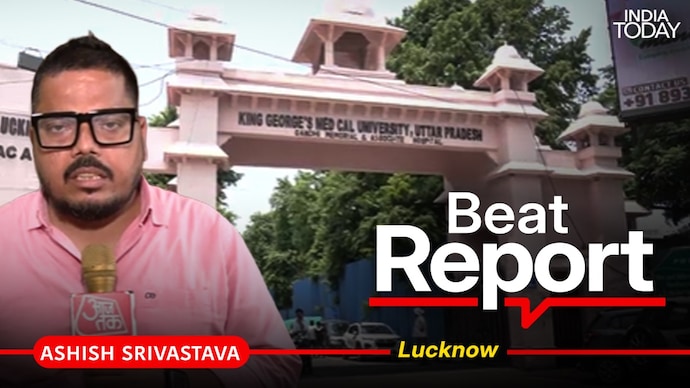
Standing inside Lucknow's King George's Medical University (KGMU), one of Uttar Pradesh's largest government hospitals, it is impossible to miss the crowds outside the cancer wards. Every day, patients arrive carrying medical files, prescriptions and hopes of receiving life-saving treatment under government healthcare schemes.
But an investigation emerging from the hospital has uncovered allegations that some of those medicines may never have reached the patients they were meant for. In one of the most startling findings so far, records allegedly show expensive cancer drugs being issued in the names of patients who had already died.
The revelations are at the heart of a suspected Rs 2-crore scam linked to KGMU's Urology Department, where costly medicines supplied under the Uttar Pradesh government's Asadhya Yojana were allegedly diverted by manipulating patient records.
According to preliminary findings, medicines and injections worth nearly Rs 2 crore were shown as issued to beneficiaries under the scheme. Investigators say the probe has uncovered multiple irregularities, including drugs allegedly dispensed after a patient's death and medicines shown as consumed by individuals who were not even cancer patients.
MEDICINES UNDER SCRUTINY NOT ORDINARY DRUGS
A single injection supplied under the scheme can cost anywhere between Rs 8,000 and Rs 10,000 in hospitals, while market prices can range from Rs 50,000 to Rs 1 lakh.
Documents examined during the probe revealed startling discrepancies. In several cases, patients were allegedly shown as receiving multiple doses of medicines far beyond prescribed medical norms.
Injections that are generally administered once every six months were reportedly shown as being issued four or five times within a single month.
As investigators dug deeper, even more troubling details emerged.
Records allegedly revealed that medicines were being issued in the names of patients who had already died. In effect, treatment continued on paper even after the patient's death.
Investigators also found instances where expensive medicines were allegedly shown as consumed in the names of individuals who were not even cancer patients.
FINANCIAL RECORDS TRIGGERED RED FLAGS
According to the KGMU administration, monthly medicine consumption under the scheme remained around Rs 10 lakh until October-November 2025. The expenditure, however, reportedly surged to nearly Rs 40 lakh and then crossed Rs 45 lakh by March this year.
The sudden spike prompted a detailed audit of stock registers, bills, prescriptions and medicine distribution records.
PATIENT ACCOUNTS
Several patients and their families claim they never received medicines that hospital records allegedly show were issued in their names.
The family of Rajan Prasad, a cancer patient from Hardoi, alleges that he was not regularly receiving medicines during treatment.
A patient from Rae Bareli says he came to KGMU expecting support under a government healthcare scheme but ended up spending money from his own pocket.
Mohammad Kaleem from Shahjahanpur claims he was never informed about the benefits available under the Asadhya Yojana.
SUSPECTED NETWORK OF IRREGULARITIES
Investigators are now examining whether the alleged fraud involved only lower-level staff or whether the network extended deeper into the hospital system.
While contract workers posted at the medicine distribution counter were removed from duty, employees under suspicion were attached to the department head's office and barred from leaving Lucknow during the investigation.
Sources have claimed that after inspections and raids, a medical store operating on the hospital campus returned medicines worth nearly Rs 15 lakh.
Doctors are also under scrutiny because medicines cannot be issued without authorised prescriptions and approvals.
However, several doctors reportedly maintain that their signatures may have been forged by subordinates.
Investigators are probing whether there was collusion involving contract employees, the government medical store, hospital operators responsible for procurement, and officials involved in authorising medicine distribution.
KGMU'S RESPONSE
In response, KGMU authorities said strict action will follow once the investigation is complete.
Officials have indicated that criminal cases may be registered, government funds recovered and services terminated if wrongdoing is established.
But beyond the figures, audits and departmental enquiries lies a larger question. This is not merely the story of an alleged Rs 2-crore scam.
It is a story about cancer patients who arrived at a government hospital seeking treatment, only to find themselves at the centre of a controversy involving medicines meant to save their lives.
Standing inside Lucknow's King George's Medical University (KGMU), one of Uttar Pradesh's largest government hospitals, it is impossible to miss the crowds outside the cancer wards. Every day, patients arrive carrying medical files, prescriptions and hopes of receiving life-saving treatment under government healthcare schemes.
But an investigation emerging from the hospital has uncovered allegations that some of those medicines may never have reached the patients they were meant for. In one of the most startling findings so far, records allegedly show expensive cancer drugs being issued in the names of patients who had already died.
The revelations are at the heart of a suspected Rs 2-crore scam linked to KGMU's Urology Department, where costly medicines supplied under the Uttar Pradesh government's Asadhya Yojana were allegedly diverted by manipulating patient records.
According to preliminary findings, medicines and injections worth nearly Rs 2 crore were shown as issued to beneficiaries under the scheme. Investigators say the probe has uncovered multiple irregularities, including drugs allegedly dispensed after a patient's death and medicines shown as consumed by individuals who were not even cancer patients.
MEDICINES UNDER SCRUTINY NOT ORDINARY DRUGS
A single injection supplied under the scheme can cost anywhere between Rs 8,000 and Rs 10,000 in hospitals, while market prices can range from Rs 50,000 to Rs 1 lakh.
Documents examined during the probe revealed startling discrepancies. In several cases, patients were allegedly shown as receiving multiple doses of medicines far beyond prescribed medical norms.
Injections that are generally administered once every six months were reportedly shown as being issued four or five times within a single month.
As investigators dug deeper, even more troubling details emerged.
Records allegedly revealed that medicines were being issued in the names of patients who had already died. In effect, treatment continued on paper even after the patient's death.
Investigators also found instances where expensive medicines were allegedly shown as consumed in the names of individuals who were not even cancer patients.
FINANCIAL RECORDS TRIGGERED RED FLAGS
According to the KGMU administration, monthly medicine consumption under the scheme remained around Rs 10 lakh until October-November 2025. The expenditure, however, reportedly surged to nearly Rs 40 lakh and then crossed Rs 45 lakh by March this year.
The sudden spike prompted a detailed audit of stock registers, bills, prescriptions and medicine distribution records.
PATIENT ACCOUNTS
Several patients and their families claim they never received medicines that hospital records allegedly show were issued in their names.
The family of Rajan Prasad, a cancer patient from Hardoi, alleges that he was not regularly receiving medicines during treatment.
A patient from Rae Bareli says he came to KGMU expecting support under a government healthcare scheme but ended up spending money from his own pocket.
Mohammad Kaleem from Shahjahanpur claims he was never informed about the benefits available under the Asadhya Yojana.
SUSPECTED NETWORK OF IRREGULARITIES
Investigators are now examining whether the alleged fraud involved only lower-level staff or whether the network extended deeper into the hospital system.
While contract workers posted at the medicine distribution counter were removed from duty, employees under suspicion were attached to the department head's office and barred from leaving Lucknow during the investigation.
Sources have claimed that after inspections and raids, a medical store operating on the hospital campus returned medicines worth nearly Rs 15 lakh.
Doctors are also under scrutiny because medicines cannot be issued without authorised prescriptions and approvals.
However, several doctors reportedly maintain that their signatures may have been forged by subordinates.
Investigators are probing whether there was collusion involving contract employees, the government medical store, hospital operators responsible for procurement, and officials involved in authorising medicine distribution.
KGMU'S RESPONSE
In response, KGMU authorities said strict action will follow once the investigation is complete.
Officials have indicated that criminal cases may be registered, government funds recovered and services terminated if wrongdoing is established.
But beyond the figures, audits and departmental enquiries lies a larger question. This is not merely the story of an alleged Rs 2-crore scam.
It is a story about cancer patients who arrived at a government hospital seeking treatment, only to find themselves at the centre of a controversy involving medicines meant to save their lives.

