Retired citizens in China are going back to college abroad, chasing missed dreams
A growing number of retired Chinese citizens are choosing to study abroad, turning retirement into a second innings of learning. From short-term courses to creative programmes, this trend reflects changing aspirations, rising incomes, and the challenges of an ageing population reshaping education systems in China.
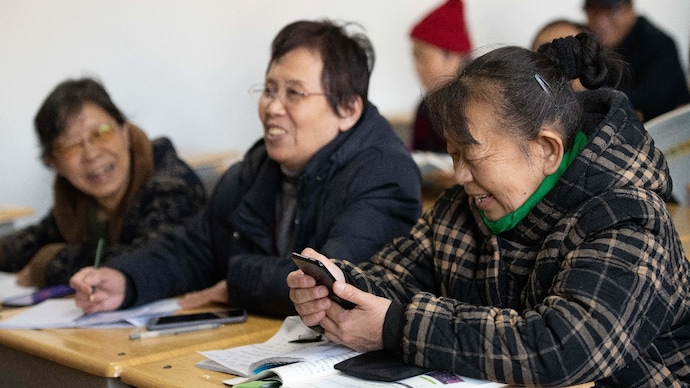
Retirement in China is starting to look very different. Instead of slowing down, many seniors are packing their bags, applying to international programmes, and heading back to classrooms across the world.
From art and photography to literature and design, older adults are choosing to study abroad, often for the first time in their lives. It is less about degrees and more about something deeper: unfinished dreams, curiosity, and a desire to live differently after decades of work.
A SECOND CHANCE AT OLD DREAMS
For many of these seniors, overseas education was never an option earlier. Careers, family responsibilities, and limited opportunities meant those ambitions were pushed aside.
Now, with fewer responsibilities and more financial stability, they are revisiting those dreams. As per South China Morning Post, short-term programmes, usually lasting two to four weeks, have become especially popular. They offer a taste of international education without long-term commitments.
Courses range from creative arts to cultural studies, and many programmes even provide translators and academic support, making them accessible despite language barriers.
Interestingly, a large share of participants are women. Many of them had put personal goals on hold for years, prioritising family and caregiving roles. Retirement is now becoming a phase where they reclaim that time.
WHY THIS TREND IS GROWING
This shift is not happening in isolation. It reflects a larger transformation within China.
The country’s population is ageing rapidly, with more than 320 million people aged 60 and above. This group is also more educated and financially secure than previous generations. They are not satisfied with passive retirement and are actively seeking purpose and engagement.
At the same time, there is a growing awareness around mental well-being in older age. Staying socially and intellectually active is increasingly seen as essential, not optional.
Studying abroad offers both. It combines travel, learning, and social interaction, making it an attractive option for retirees looking to stay engaged.
THE BUSINESS OF SENIOR EDUCATION
Education providers have quickly noticed this demand. Specialised programmes for senior learners are emerging, offering curated experiences that blend academics with travel.
These courses are not cheap. Fees can range from around 20,000 to 60,000 yuan, excluding travel costs. This means the trend is currently limited to relatively well-off retirees.
Still, the demand is rising fast. Some institutions report hundreds of enquiries within days of announcing programmes.
Experts believe this could become a major part of China’s growing “silver economy”, where products and services are tailored to older adults.
A SYSTEM TRYING TO CATCH UP
While the trend is exciting, it also highlights a gap.
China already has “senior universities”, but most focus on hobby-based learning like music or calligraphy. There is now a demand for more structured, advanced courses that offer deeper knowledge and skill-building.
There is also a shortage of trained educators and full-time faculty for senior education.
As more retirees look for meaningful learning opportunities, the pressure is on the education system to evolve.
MORE THAN JUST A TREND
What’s happening here is bigger than just travel or education.
It’s a shift in how ageing is being defined.
For a growing number of people in China, retirement is no longer about stepping back. It is about starting something new.
Retirement in China is starting to look very different. Instead of slowing down, many seniors are packing their bags, applying to international programmes, and heading back to classrooms across the world.
From art and photography to literature and design, older adults are choosing to study abroad, often for the first time in their lives. It is less about degrees and more about something deeper: unfinished dreams, curiosity, and a desire to live differently after decades of work.
A SECOND CHANCE AT OLD DREAMS
For many of these seniors, overseas education was never an option earlier. Careers, family responsibilities, and limited opportunities meant those ambitions were pushed aside.
Now, with fewer responsibilities and more financial stability, they are revisiting those dreams. As per South China Morning Post, short-term programmes, usually lasting two to four weeks, have become especially popular. They offer a taste of international education without long-term commitments.
Courses range from creative arts to cultural studies, and many programmes even provide translators and academic support, making them accessible despite language barriers.
Interestingly, a large share of participants are women. Many of them had put personal goals on hold for years, prioritising family and caregiving roles. Retirement is now becoming a phase where they reclaim that time.
WHY THIS TREND IS GROWING
This shift is not happening in isolation. It reflects a larger transformation within China.
The country’s population is ageing rapidly, with more than 320 million people aged 60 and above. This group is also more educated and financially secure than previous generations. They are not satisfied with passive retirement and are actively seeking purpose and engagement.
At the same time, there is a growing awareness around mental well-being in older age. Staying socially and intellectually active is increasingly seen as essential, not optional.
Studying abroad offers both. It combines travel, learning, and social interaction, making it an attractive option for retirees looking to stay engaged.
THE BUSINESS OF SENIOR EDUCATION
Education providers have quickly noticed this demand. Specialised programmes for senior learners are emerging, offering curated experiences that blend academics with travel.
These courses are not cheap. Fees can range from around 20,000 to 60,000 yuan, excluding travel costs. This means the trend is currently limited to relatively well-off retirees.
Still, the demand is rising fast. Some institutions report hundreds of enquiries within days of announcing programmes.
Experts believe this could become a major part of China’s growing “silver economy”, where products and services are tailored to older adults.
A SYSTEM TRYING TO CATCH UP
While the trend is exciting, it also highlights a gap.
China already has “senior universities”, but most focus on hobby-based learning like music or calligraphy. There is now a demand for more structured, advanced courses that offer deeper knowledge and skill-building.
There is also a shortage of trained educators and full-time faculty for senior education.
As more retirees look for meaningful learning opportunities, the pressure is on the education system to evolve.
MORE THAN JUST A TREND
What’s happening here is bigger than just travel or education.
It’s a shift in how ageing is being defined.
For a growing number of people in China, retirement is no longer about stepping back. It is about starting something new.

