Handwriting analysis and how keypads are killing our signatures
Handwriting analysis is quite an age-old concept. Since mediums of writings are changing rapidly, a graphologist, Monika Dhawan spoke to India Today on handwriting and its impacts.
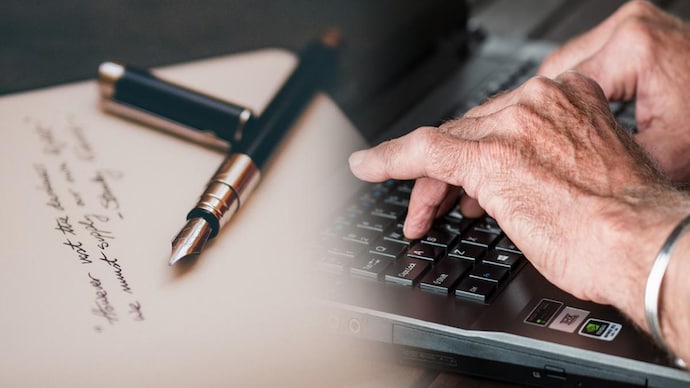
Does handwriting matter? The increasing dependency on our digital habits may consider handwritings as an inessential skill, but this significant, sui generis signature of our own self is a bit difficult to put down. Handwriting, which acts as the passcode to gain the insights into the physical, mental and emotional state of the writer, also helps to decode the characteristics personality traits of an individual.
According to a study 'The Importance of Handwriting Experience on the Development of the Literate Brain’ performed at the Indiana University, handwriting practice affects visual symbol recognition as it results in the production of variable visual forms that aid in symbol understanding.
The analysis of handwriting is quite an age-old concept. Since mediums of writings are changing rapidly, a graphologist, Monika Dhawan spoke to India Today on handwriting and its impact.
Q1: How are digital advances affecting the sphere of graphology?
"Now people have shifted more and more to keypads than manual writing. This tendency does not have only fastened our lives and our thinking processes, but also, it is reducing our tolerance increasing the anxiety within us," said Monika.
"I am definitely not against the digital era but I guess, we should remain in touch with this beautiful grounding technique of manual handwriting to keep this beautiful form of journalising alive and transforming our lives," she said.
Q2: Relevance of handwriting in digital era
"Handwriting gives us the power to change our behavioural patterns which is definitely not possible on a keypad. It also allows our mind to slow down our thought process as well," said Monika.
She said, "Through handwriting, we take time to form letters, care for spelling mistakes and ensure the right communication. So yes, handwriting is a very healthy activity for the brain which we should not forget in this digital era."
Q3: Handwriting or more precisely, letters differ from language to language. How does graphology overcome such constraints?
"Even if you talk about different languages, people who have a tendency to put pressure while writing will do so in any language they write. Similarly, the spacing, size of the letters, margins left on the pages (up, down, left and write) etc does not change much. So in a way, once you know the way to analyse one’s handwriting, you can easily do it keeping those above-mentioned indicators in mind," said Monika.
Q4: Can you differentiate between a girl’s handwriting and a boy’s handwriting? If not, why?
"It is difficult to trace out the difference," said Monika.
She said, "On a lighter note, it becomes more difficult especially at a time when there is so much of hormonal imbalance going on in people."
Q5: How can it predict the behavioural pattern of a human being?
Monika said, "The way we form letters i.e. size, slant, pressure, speed, margins left on the sides of the paper etc communicate a particular behavioural trait of a person. These are called as handwriting indicators or writing traits."
"Your handwriting reflects your confidence, self-esteem, goal setting and implementation capabilities, any lying patterns, secretive personalities, anger issues, depression, negative/positive thinking, big-hearted or miser, focus & concentration, social or isolated, ambitions and much more things you can ever imagine," she said.
Q6: Graphology in improving behavioural issues
"One can bring a deep shift in one’s personality by learning to write letters (size, slant, pressure, speed margins etc) differently and practising them religiously for 21 days to embrace and reinforce a new behavioural trait," answered Monika.
So, in today’s keyboard world, do we need to focus again on our handwritings? Think, think again!
Does handwriting matter? The increasing dependency on our digital habits may consider handwritings as an inessential skill, but this significant, sui generis signature of our own self is a bit difficult to put down. Handwriting, which acts as the passcode to gain the insights into the physical, mental and emotional state of the writer, also helps to decode the characteristics personality traits of an individual.
According to a study 'The Importance of Handwriting Experience on the Development of the Literate Brain’ performed at the Indiana University, handwriting practice affects visual symbol recognition as it results in the production of variable visual forms that aid in symbol understanding.
The analysis of handwriting is quite an age-old concept. Since mediums of writings are changing rapidly, a graphologist, Monika Dhawan spoke to India Today on handwriting and its impact.
Q1: How are digital advances affecting the sphere of graphology?
"Now people have shifted more and more to keypads than manual writing. This tendency does not have only fastened our lives and our thinking processes, but also, it is reducing our tolerance increasing the anxiety within us," said Monika.
"I am definitely not against the digital era but I guess, we should remain in touch with this beautiful grounding technique of manual handwriting to keep this beautiful form of journalising alive and transforming our lives," she said.
Q2: Relevance of handwriting in digital era
"Handwriting gives us the power to change our behavioural patterns which is definitely not possible on a keypad. It also allows our mind to slow down our thought process as well," said Monika.
She said, "Through handwriting, we take time to form letters, care for spelling mistakes and ensure the right communication. So yes, handwriting is a very healthy activity for the brain which we should not forget in this digital era."
Q3: Handwriting or more precisely, letters differ from language to language. How does graphology overcome such constraints?
"Even if you talk about different languages, people who have a tendency to put pressure while writing will do so in any language they write. Similarly, the spacing, size of the letters, margins left on the pages (up, down, left and write) etc does not change much. So in a way, once you know the way to analyse one’s handwriting, you can easily do it keeping those above-mentioned indicators in mind," said Monika.
Q4: Can you differentiate between a girl’s handwriting and a boy’s handwriting? If not, why?
"It is difficult to trace out the difference," said Monika.
She said, "On a lighter note, it becomes more difficult especially at a time when there is so much of hormonal imbalance going on in people."
Q5: How can it predict the behavioural pattern of a human being?
Monika said, "The way we form letters i.e. size, slant, pressure, speed, margins left on the sides of the paper etc communicate a particular behavioural trait of a person. These are called as handwriting indicators or writing traits."
"Your handwriting reflects your confidence, self-esteem, goal setting and implementation capabilities, any lying patterns, secretive personalities, anger issues, depression, negative/positive thinking, big-hearted or miser, focus & concentration, social or isolated, ambitions and much more things you can ever imagine," she said.
Q6: Graphology in improving behavioural issues
"One can bring a deep shift in one’s personality by learning to write letters (size, slant, pressure, speed margins etc) differently and practising them religiously for 21 days to embrace and reinforce a new behavioural trait," answered Monika.
So, in today’s keyboard world, do we need to focus again on our handwritings? Think, think again!

