The hidden dangers of AC: Don't ignore these signs this summer
Air conditioners may offer relief from extreme heat, but overuse can quietly impact your health. From dehydration to respiratory issues, experts say balance is the key to staying safe.
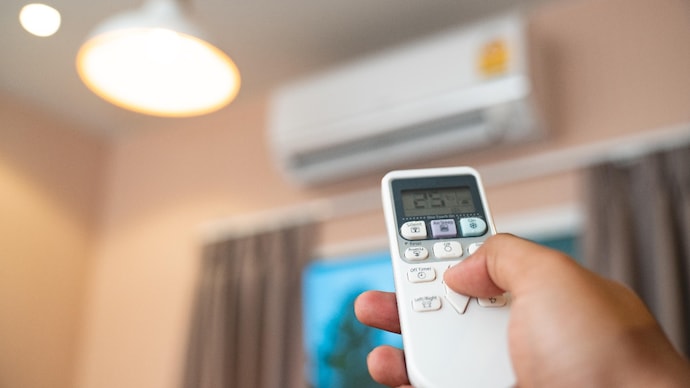
As temperatures soar across India, air conditioners have shifted from being a luxury to an everyday necessity. From homes and offices to cars and malls, most people now spend a large part of their day in air-conditioned environments.
While the cool air brings instant comfort and relief from the scorching heat, doctors warn that excessive dependence on ACs may come with hidden health risks.
Many people don’t realise that prolonged exposure to air conditioning can affect the body in subtle but significant ways. From dehydration and fatigue to respiratory discomfort and even reduced immunity, the side effects often go unnoticed until they begin to impact daily life.
WHY AC CAN LEAD TO DEHYDRATION
One of the most common issues linked to air conditioning is dehydration. ACs work by reducing the humidity in the air, which creates a cool but dry environment.
“In air-conditioned rooms, the body loses moisture without you even realising it,” explains Dr Niranjan Singh, Senior Consultant, Internal Medicine, CK Birla Hospitals, Jaipur.
Since the surroundings feel cool, people often don’t feel thirsty and end up drinking less water. This can lead to symptoms like:
Headaches
Tiredness
Dry skin
Lack of focus
Over time, even mild dehydration can affect energy levels and overall well-being.
IMPACT ON RESPIRATORY HEALTH
Cold, dry air can also irritate the respiratory system. People who spend long hours in AC environments may experience:
Dry throat
Cough
Nasal congestion
Irritated airways
This can be especially problematic for those with asthma, allergies, or sinus issues. Poorly maintained AC units can further worsen the situation by circulating dust, allergens, and bacteria in enclosed spaces.
THE PROBLEM OF TEMPERATURE SHOCK
Another major concern is what doctors call “temperature shock.” This happens when the body frequently shifts between extreme heat outdoors and cold indoor environments.
“Sudden temperature changes stress the body,” says Dr Singh.
When you step out into the heat and then quickly return to a cold room, your body struggles to adjust. This confusion in temperature regulation can lead to:
Fatigue
Headaches
Muscle stiffness
Reduced immunity in some cases
Frequent exposure to such fluctuations can make the body more vulnerable to infections and discomfort.
HOW TO USE AC WITHOUT HARMING YOUR HEALTH
The good news is that you don’t need to give up air conditioning altogether. Experts suggest a few simple steps to minimise its side effects:
Keep the temperature moderate: Set your AC between 24–26°C
Stay hydrated: Drink water regularly, even if you don’t feel thirsty
- advertisement
Avoid direct airflow: Don’t sit directly under the AC for long periods
Take breaks: Step out occasionally to help your body adjust naturally
Maintain your AC: Clean filters and service units regularly to ensure fresh air circulation
Air conditioning is essential during Indian summers, especially during heatwaves. However, overdependence without precautions can affect your health in ways you may not immediately notice.
Using the AC wisely, along with staying hydrated and allowing your body to gradually adapt to temperature changes, can help you enjoy the comfort without the risks.
In the end, it’s not about avoiding AC, but about using it smartly.
As temperatures soar across India, air conditioners have shifted from being a luxury to an everyday necessity. From homes and offices to cars and malls, most people now spend a large part of their day in air-conditioned environments.
While the cool air brings instant comfort and relief from the scorching heat, doctors warn that excessive dependence on ACs may come with hidden health risks.
Many people don’t realise that prolonged exposure to air conditioning can affect the body in subtle but significant ways. From dehydration and fatigue to respiratory discomfort and even reduced immunity, the side effects often go unnoticed until they begin to impact daily life.
WHY AC CAN LEAD TO DEHYDRATION
One of the most common issues linked to air conditioning is dehydration. ACs work by reducing the humidity in the air, which creates a cool but dry environment.
“In air-conditioned rooms, the body loses moisture without you even realising it,” explains Dr Niranjan Singh, Senior Consultant, Internal Medicine, CK Birla Hospitals, Jaipur.
Since the surroundings feel cool, people often don’t feel thirsty and end up drinking less water. This can lead to symptoms like:
Headaches
Tiredness
Dry skin
Lack of focus
Over time, even mild dehydration can affect energy levels and overall well-being.
IMPACT ON RESPIRATORY HEALTH
Cold, dry air can also irritate the respiratory system. People who spend long hours in AC environments may experience:
Dry throat
Cough
Nasal congestion
Irritated airways
This can be especially problematic for those with asthma, allergies, or sinus issues. Poorly maintained AC units can further worsen the situation by circulating dust, allergens, and bacteria in enclosed spaces.
THE PROBLEM OF TEMPERATURE SHOCK
Another major concern is what doctors call “temperature shock.” This happens when the body frequently shifts between extreme heat outdoors and cold indoor environments.
“Sudden temperature changes stress the body,” says Dr Singh.
When you step out into the heat and then quickly return to a cold room, your body struggles to adjust. This confusion in temperature regulation can lead to:
Fatigue
Headaches
Muscle stiffness
Reduced immunity in some cases
Frequent exposure to such fluctuations can make the body more vulnerable to infections and discomfort.
HOW TO USE AC WITHOUT HARMING YOUR HEALTH
The good news is that you don’t need to give up air conditioning altogether. Experts suggest a few simple steps to minimise its side effects:
Keep the temperature moderate: Set your AC between 24–26°C
Stay hydrated: Drink water regularly, even if you don’t feel thirsty
Avoid direct airflow: Don’t sit directly under the AC for long periods
Take breaks: Step out occasionally to help your body adjust naturally
Maintain your AC: Clean filters and service units regularly to ensure fresh air circulation
Air conditioning is essential during Indian summers, especially during heatwaves. However, overdependence without precautions can affect your health in ways you may not immediately notice.
Using the AC wisely, along with staying hydrated and allowing your body to gradually adapt to temperature changes, can help you enjoy the comfort without the risks.
In the end, it’s not about avoiding AC, but about using it smartly.

