Can you reverse fatty liver naturally? Doctors say YES, here's how
Fatty liver is affecting millions, especially younger adults, today. Experts say simple diet changes can help control—and even reverse it.
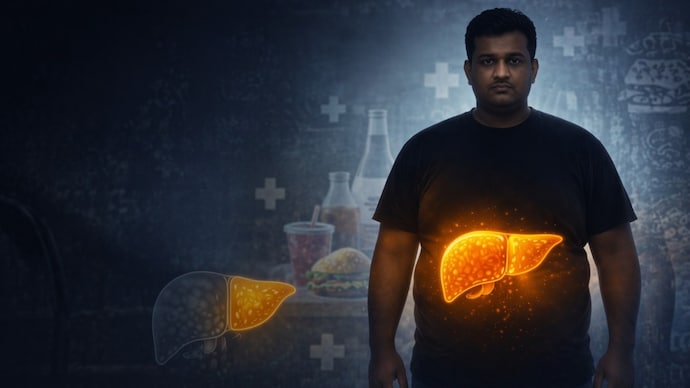
Fatty liver disease has quietly become one of the most common lifestyle-related health problems across the world. Poor eating habits, lack of physical activity, rising stress levels, and increasing obesity are all contributing to its rapid spread, especially among young adults.
Experts estimate that nearly one in three adults may show early signs of fatty liver. What makes it more concerning is that the condition often develops silently, without clear symptoms in the early stages.
But there is good news. Unlike many chronic diseases, fatty liver can often be reversed, especially if detected early. And the most powerful tool for recovery is not always medication, but diet and lifestyle changes.
Doctors say what you eat daily can either worsen the condition or help your liver heal.
YOUR DIET CAN ACT LIKE MEDICINE
Dt. Simrat Kathuria, celebrity dietician and nutrition consultant, explains that food can act as a powerful form of treatment for fatty liver.
She highlights that structured dietary and lifestyle changes have shown promising results. Studies suggest that nearly 68% of patients saw improvements in liver function, along with a reduction in liver fat and stiffness, after making consistent changes.
“The diet does not have to be perfect,” she says. “Simple steps like reducing sugar, eating whole foods, and maintaining a calorie deficit can gradually help the liver recover.”
According to her, fatty liver is not just a disease—it reflects everyday lifestyle choices, and recovery begins with what’s on your plate.
WHAT FOODS HELP IMPROVE LIVER HEALTH?
Dr Sujit Paul, health expert at Zota Healthcare Ltd., says that diet plays a central role, especially in the early stages of fatty liver disease.
He explains that reducing refined sugars, processed foods, and trans fats is essential, as these contribute to fat accumulation in the liver.
Instead, people should focus on:
- Fruits and vegetables
- Whole grains
- Lean proteins
- Healthy fats from nuts and seeds
Foods rich in antioxidants, such as leafy greens, berries, and turmeric, can help reduce inflammation and support liver repair.
He also stresses the importance of staying hydrated and combining a diet with regular physical activity to see meaningful improvements.
WEIGHT LOSS AND CONSISTENCY ARE KEY
Dr Sameer Bhati, Public Health Analyst, points out that fatty liver develops over time, and reversing it also takes time.
He says that even a modest weight loss of 7–10% can significantly reduce liver fat and inflammation. However, this requires consistent effort rather than quick fixes.
“Crash diets don’t work in the long run. It’s about making sustainable changes, like eating more fibre, cutting down sugar, and choosing balanced meals,” he explains.
He adds that the liver has a strong ability to heal itself, but only when it is not constantly burdened by unhealthy habits.
LIFESTYLE CHANGES GO BEYOND JUST FOOD
While diet is crucial, experts emphasise that it is only one part of the solution.
Dr Sujit Paul notes that long-term improvement requires:
- Maintaining a healthy weight
- Getting enough sleep
- Managing stress
- Staying physically active
Dieting alone may not deliver instant results, but when combined with overall lifestyle changes, it can significantly improve liver health and prevent complications.
Early medical consultation is also important to stop the disease from progressing to more serious stages.
Fatty liver is not just about what is happening inside your body; it reflects your daily habits and lifestyle choices.
Experts agree that diet can play a major role in reversing the condition, especially in its early stages. Small, consistent changes—like cutting down on sugar, eating whole foods, and staying active – can make a big difference over time.
As doctors highlight, the real question is not just whether diet can reverse fatty liver, but whether your everyday choices are helping your liver heal or causing further damage.
Fatty liver disease has quietly become one of the most common lifestyle-related health problems across the world. Poor eating habits, lack of physical activity, rising stress levels, and increasing obesity are all contributing to its rapid spread, especially among young adults.
Experts estimate that nearly one in three adults may show early signs of fatty liver. What makes it more concerning is that the condition often develops silently, without clear symptoms in the early stages.
But there is good news. Unlike many chronic diseases, fatty liver can often be reversed, especially if detected early. And the most powerful tool for recovery is not always medication, but diet and lifestyle changes.
Doctors say what you eat daily can either worsen the condition or help your liver heal.
YOUR DIET CAN ACT LIKE MEDICINE
Dt. Simrat Kathuria, celebrity dietician and nutrition consultant, explains that food can act as a powerful form of treatment for fatty liver.
She highlights that structured dietary and lifestyle changes have shown promising results. Studies suggest that nearly 68% of patients saw improvements in liver function, along with a reduction in liver fat and stiffness, after making consistent changes.
“The diet does not have to be perfect,” she says. “Simple steps like reducing sugar, eating whole foods, and maintaining a calorie deficit can gradually help the liver recover.”
According to her, fatty liver is not just a disease—it reflects everyday lifestyle choices, and recovery begins with what’s on your plate.
WHAT FOODS HELP IMPROVE LIVER HEALTH?
Dr Sujit Paul, health expert at Zota Healthcare Ltd., says that diet plays a central role, especially in the early stages of fatty liver disease.
He explains that reducing refined sugars, processed foods, and trans fats is essential, as these contribute to fat accumulation in the liver.
Instead, people should focus on:
- Fruits and vegetables
- Whole grains
- Lean proteins
- Healthy fats from nuts and seeds
Foods rich in antioxidants, such as leafy greens, berries, and turmeric, can help reduce inflammation and support liver repair.
He also stresses the importance of staying hydrated and combining a diet with regular physical activity to see meaningful improvements.
WEIGHT LOSS AND CONSISTENCY ARE KEY
Dr Sameer Bhati, Public Health Analyst, points out that fatty liver develops over time, and reversing it also takes time.
He says that even a modest weight loss of 7–10% can significantly reduce liver fat and inflammation. However, this requires consistent effort rather than quick fixes.
“Crash diets don’t work in the long run. It’s about making sustainable changes, like eating more fibre, cutting down sugar, and choosing balanced meals,” he explains.
He adds that the liver has a strong ability to heal itself, but only when it is not constantly burdened by unhealthy habits.
LIFESTYLE CHANGES GO BEYOND JUST FOOD
While diet is crucial, experts emphasise that it is only one part of the solution.
Dr Sujit Paul notes that long-term improvement requires:
- Maintaining a healthy weight
- Getting enough sleep
- Managing stress
- Staying physically active
Dieting alone may not deliver instant results, but when combined with overall lifestyle changes, it can significantly improve liver health and prevent complications.
Early medical consultation is also important to stop the disease from progressing to more serious stages.
Fatty liver is not just about what is happening inside your body; it reflects your daily habits and lifestyle choices.
Experts agree that diet can play a major role in reversing the condition, especially in its early stages. Small, consistent changes—like cutting down on sugar, eating whole foods, and staying active – can make a big difference over time.
As doctors highlight, the real question is not just whether diet can reverse fatty liver, but whether your everyday choices are helping your liver heal or causing further damage.

