Why persistent heat waves are dangerous to human health
Large parts of India are under active heat wave warnings. IMD has issued a yellow alert for Delhi until May 27, 2026. Before that, no respite is expected.
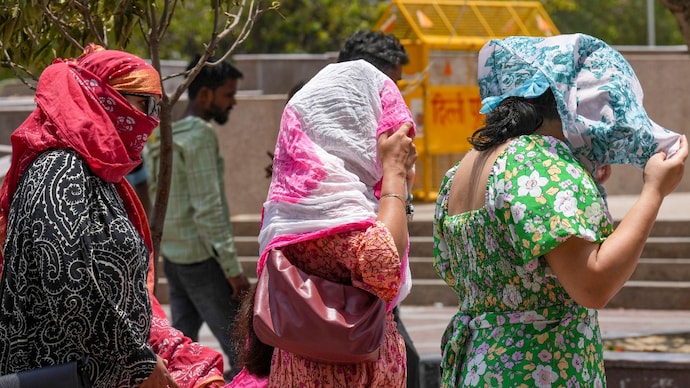
India is burning. Large parts of the country, including Delhi, Rajasthan, Punjab, Haryana, Uttar Pradesh, Madhya Pradesh, Vidarbha, Chhattisgarh, Bihar, and Telangana, are all under active heat wave warnings. Maximum temperatures are frequently exceeding 45 degrees Celsius in many parts, including New Delhi.
IMD has issued a yellow alert for Delhi until May 27, 2026. Before that, no respite is expected.
Heat waves are not new to India, but their evolution over the years is a matter of concern. The bigger problem is rising minimum temperatures, as well as high temperatures that persist through the night.
WARMER NIGHTS
Higher-than-usual nighttime temperatures, which occur during warm nights, prevent the body from recovering from daytime heat exposure. This continuous heat exposure places physiological stress on organs, raising core temperature.
When nighttime temperatures are persistently high, the body struggles to recover from daytime heat, leading to physiological stress. This risk is even worse in closed, poorly-ventilated spaces that trap hot air indoors for several hours.
“Heat is becoming more prolonged, more humid, and increasingly difficult to escape, especially for vulnerable communities and outdoor workers,” said Aarti Khosla, Founder and Director, Climate Trends.
According to the 2025 Lancet Countdown on health and climate change, elevated nighttime temperatures can disrupt sleep health and are associated with altered sleep timing, quality, and quantity. Poor recovery at night can also cause further mental and physical health problems.
“Normally, cooler nights help reduce cardiovascular strain after daytime heat exposure. However, when temperatures remain elevated overnight, the heart continues to work harder to maintain body temperature by increasing blood flow to the skin and promoting sweating,” Dr Ranjan Modi, cardiology consultant at Medanta Hospital, Noida, said.
“This leads to a sustained rise in heart rate, dehydration, loss of electrolytes, and fluctuations in blood pressure,” he added.
Nights are supposed to provide rest and recovery, especially during heat wave days when daytime temperatures are already wreaking havoc on health.
“Poor sleep caused by excessive heat further activates stress hormones such as adrenaline and cortisol, which can increase blood pressure and cardiovascular workload,” Dr Modi said.
An analysis by the Council for Energy, Environment, and Water (CEEW) published in May 2025, found that nearly 70 percent of districts in India experienced an additional five very warm nights per summer (March to June) over the last decade. The rise is much sharper in comparison to the increase on very hot days, which was only seen in around 28 percent of districts for the same number.
An analysis published by India Today on May 22, 2026, noted that Delhi’s peak electricity demand window has steadily shifted towards evening and night between 2023 and 2026, signifying the national capital’s rising nighttime or minimum temperatures.
WHAT’S HAPPENING NOW?
IMD update dated May 25, 2026, stated the minimum temperature in parts of Madhya Pradesh, Andhra Pradesh, Odisha, West Bengal, Tamil Nadu, Puducherry, Telangana, Maharashtra, Goa, Jammu & Kashmir, and Rajasthan were above normal.
On May 24, the maximum temperature at Delhi’s Safdarjung weather station was 43.6 degrees C.
According to an analysis by Climate Trends, the duration of heatwaves across India’s heatwave-prone regions has increased by 0.44 days per decade, while India’s average nighttime temperatures are rising by roughly 0.21°C per decade.
CEEW data showed that 35 of 36 Indian states and Union Territories are experiencing rising nighttime temperatures.
WHY ARE HEAT WAVES IN INDIA BECOMING MORE INTENSE?
Climate change caused by human activities is changing the nature of heat waves. They start from an already elevated temperature and reach higher peaks. The past eleven years, 2015-2025, have been the eleven warmest years in recorded history.
For India specifically, the annual mean land surface air temperature till November 2025 was +0.29°C above the 1991-2020 average and was the seventh warmest since 1901.
One of the main drivers of increasing nighttime temperature is the urban heat island effect. In urban areas, concrete, cement, and other common building materials absorb heat during the day and radiate it at night. Closed spaces with poor ventilation trap this heat, raising the temperature near the ground, thus affecting all forms of life.
“These changing weather patterns are a stark reminder that climate change is now reshaping how heat is experienced in India, turning it into a major public health, economic, and development challenge,” Khosla said.
Soil in large parts of India is dry in summer because the season occurs before monsoon. Research suggests that low soil moisture during hot weather days can be associated with conducive conditions for heatwaves.
“You are experiencing in real time the consequences of rising emissions, of global climate action not having been fair enough or fast enough,” Simon Stiell, Executive Secretary to UNFCCC, recently said at the India Heat Summit 2026.
He added that these consequences are measured in lives taken, crops ruined, and blows to GDP. “Killer heat is not just a lived reality, it is a live economic risk.”
India is burning. Large parts of the country, including Delhi, Rajasthan, Punjab, Haryana, Uttar Pradesh, Madhya Pradesh, Vidarbha, Chhattisgarh, Bihar, and Telangana, are all under active heat wave warnings. Maximum temperatures are frequently exceeding 45 degrees Celsius in many parts, including New Delhi.
IMD has issued a yellow alert for Delhi until May 27, 2026. Before that, no respite is expected.
Heat waves are not new to India, but their evolution over the years is a matter of concern. The bigger problem is rising minimum temperatures, as well as high temperatures that persist through the night.
WARMER NIGHTS
Higher-than-usual nighttime temperatures, which occur during warm nights, prevent the body from recovering from daytime heat exposure. This continuous heat exposure places physiological stress on organs, raising core temperature.
When nighttime temperatures are persistently high, the body struggles to recover from daytime heat, leading to physiological stress. This risk is even worse in closed, poorly-ventilated spaces that trap hot air indoors for several hours.
“Heat is becoming more prolonged, more humid, and increasingly difficult to escape, especially for vulnerable communities and outdoor workers,” said Aarti Khosla, Founder and Director, Climate Trends.
According to the 2025 Lancet Countdown on health and climate change, elevated nighttime temperatures can disrupt sleep health and are associated with altered sleep timing, quality, and quantity. Poor recovery at night can also cause further mental and physical health problems.
“Normally, cooler nights help reduce cardiovascular strain after daytime heat exposure. However, when temperatures remain elevated overnight, the heart continues to work harder to maintain body temperature by increasing blood flow to the skin and promoting sweating,” Dr Ranjan Modi, cardiology consultant at Medanta Hospital, Noida, said.
“This leads to a sustained rise in heart rate, dehydration, loss of electrolytes, and fluctuations in blood pressure,” he added.
Nights are supposed to provide rest and recovery, especially during heat wave days when daytime temperatures are already wreaking havoc on health.
“Poor sleep caused by excessive heat further activates stress hormones such as adrenaline and cortisol, which can increase blood pressure and cardiovascular workload,” Dr Modi said.
An analysis by the Council for Energy, Environment, and Water (CEEW) published in May 2025, found that nearly 70 percent of districts in India experienced an additional five very warm nights per summer (March to June) over the last decade. The rise is much sharper in comparison to the increase on very hot days, which was only seen in around 28 percent of districts for the same number.
An analysis published by India Today on May 22, 2026, noted that Delhi’s peak electricity demand window has steadily shifted towards evening and night between 2023 and 2026, signifying the national capital’s rising nighttime or minimum temperatures.
WHAT’S HAPPENING NOW?
IMD update dated May 25, 2026, stated the minimum temperature in parts of Madhya Pradesh, Andhra Pradesh, Odisha, West Bengal, Tamil Nadu, Puducherry, Telangana, Maharashtra, Goa, Jammu & Kashmir, and Rajasthan were above normal.
On May 24, the maximum temperature at Delhi’s Safdarjung weather station was 43.6 degrees C.
According to an analysis by Climate Trends, the duration of heatwaves across India’s heatwave-prone regions has increased by 0.44 days per decade, while India’s average nighttime temperatures are rising by roughly 0.21°C per decade.
CEEW data showed that 35 of 36 Indian states and Union Territories are experiencing rising nighttime temperatures.
WHY ARE HEAT WAVES IN INDIA BECOMING MORE INTENSE?
Climate change caused by human activities is changing the nature of heat waves. They start from an already elevated temperature and reach higher peaks. The past eleven years, 2015-2025, have been the eleven warmest years in recorded history.
For India specifically, the annual mean land surface air temperature till November 2025 was +0.29°C above the 1991-2020 average and was the seventh warmest since 1901.
One of the main drivers of increasing nighttime temperature is the urban heat island effect. In urban areas, concrete, cement, and other common building materials absorb heat during the day and radiate it at night. Closed spaces with poor ventilation trap this heat, raising the temperature near the ground, thus affecting all forms of life.
“These changing weather patterns are a stark reminder that climate change is now reshaping how heat is experienced in India, turning it into a major public health, economic, and development challenge,” Khosla said.
Soil in large parts of India is dry in summer because the season occurs before monsoon. Research suggests that low soil moisture during hot weather days can be associated with conducive conditions for heatwaves.
“You are experiencing in real time the consequences of rising emissions, of global climate action not having been fair enough or fast enough,” Simon Stiell, Executive Secretary to UNFCCC, recently said at the India Heat Summit 2026.
He added that these consequences are measured in lives taken, crops ruined, and blows to GDP. “Killer heat is not just a lived reality, it is a live economic risk.”

