Mango season is here: How to spot chemically ripened mangoes
Around 200 kg of artificially ripened mangoes were seized in Hyderabad. Sachets of chemicals being used to speed up the ripening process were found. While this may sound alarming, there is an important detail to understand.
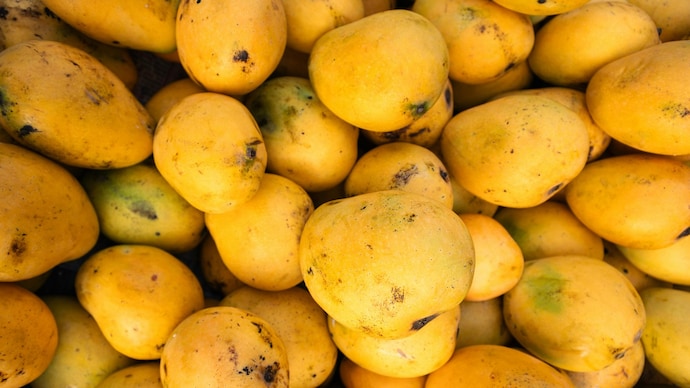
Summer is here, and so is mango season, a time many people eagerly wait for. Juicy, sweet and packed with nutrients, mangoes are often called the king of fruits. They are rich in vitamin C for immunity, vitamin A for skin and vision, fibre for gut health, and antioxidants that support overall wellbeing.
But this year, concerns around safety have come into focus.
Recently, around 200 kilograms of artificially ripened mangoes were seized in Hyderabad. Authorities also found sachets of chemicals being used to speed up the ripening process. While this may sound alarming, there is an important detail to understand.
WHAT IS ALLOWED AND WHAT IS NOT
According to the Food Safety and Standards Authority of India, not all artificial ripening is illegal.
Calcium carbide, a chemical often used in the past, is strictly banned because it can be harmful to health.
However, ethylene gas, a natural ripening agent, is allowed, but only in controlled and safe amounts.
In the recent seizure, officials suspect that these limits were exceeded.
HOW TO IDENTIFY CHEMICALLY RIPENED MANGOES
Consumers can look out for a few simple signs while buying mangoes:
Colour: Mangoes that look too bright and uniformly coloured may have been artificially ripened. Natural mangoes usually have uneven shades.
Smell: A ripe mango should have a sweet, fruity aroma. A chemical or unusual smell is a warning sign.
Texture: If the fruit feels overly soft or mushy, it may not be naturally ripened.
Spots or damage: Unusual marks on the skin can indicate chemical exposure.
There are also simple home checks.
If mangoes float in water, they may have been artificially ripened. Soaking and rinsing them can also help, any unusual colour change on the surface may suggest treatment.
Finally, trust your taste. If a mango tastes bland or slightly off, it may not be naturally ripened.
Enjoy safely.
Mangoes remain one of summer's biggest joys. The key is to stay aware and choose carefully, so what you eat is as natural and safe as it should be.
Summer is here, and so is mango season, a time many people eagerly wait for. Juicy, sweet and packed with nutrients, mangoes are often called the king of fruits. They are rich in vitamin C for immunity, vitamin A for skin and vision, fibre for gut health, and antioxidants that support overall wellbeing.
But this year, concerns around safety have come into focus.
Recently, around 200 kilograms of artificially ripened mangoes were seized in Hyderabad. Authorities also found sachets of chemicals being used to speed up the ripening process. While this may sound alarming, there is an important detail to understand.
WHAT IS ALLOWED AND WHAT IS NOT
According to the Food Safety and Standards Authority of India, not all artificial ripening is illegal.
Calcium carbide, a chemical often used in the past, is strictly banned because it can be harmful to health.
However, ethylene gas, a natural ripening agent, is allowed, but only in controlled and safe amounts.
In the recent seizure, officials suspect that these limits were exceeded.
HOW TO IDENTIFY CHEMICALLY RIPENED MANGOES
Consumers can look out for a few simple signs while buying mangoes:
Colour: Mangoes that look too bright and uniformly coloured may have been artificially ripened. Natural mangoes usually have uneven shades.
Smell: A ripe mango should have a sweet, fruity aroma. A chemical or unusual smell is a warning sign.
Texture: If the fruit feels overly soft or mushy, it may not be naturally ripened.
Spots or damage: Unusual marks on the skin can indicate chemical exposure.
There are also simple home checks.
If mangoes float in water, they may have been artificially ripened. Soaking and rinsing them can also help, any unusual colour change on the surface may suggest treatment.
Finally, trust your taste. If a mango tastes bland or slightly off, it may not be naturally ripened.
Enjoy safely.
Mangoes remain one of summer's biggest joys. The key is to stay aware and choose carefully, so what you eat is as natural and safe as it should be.

