Is your 'clean diet' actually unhealthy?
Clean eating is widely seen as a healthy lifestyle choice, but experts warn it can turn harmful when taken to extremes. From social media influence to rising food anxiety, here's why balance, not restriction, is the key to sustainable nutrition and overall well-being.
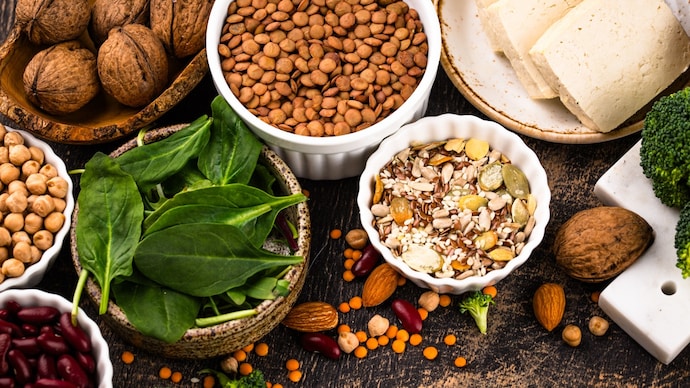
Clean eating has become the gold standard of modern wellness. From cutting out sugar and processed foods to following strict ingredient lists, many people believe they are making the healthiest possible choices.
But an emerging body of research and expert opinion suggests a more complex reality: when taken to extremes, a “clean diet” may not always be healthy.
WHAT DOES ‘CLEAN EATING’ REALLY MEAN?
Clean eating is broadly understood as consuming food in its most natural form. It emphasises unprocessed or minimally processed foods, free from additives, preservatives, and artificial ingredients. This typically includes fresh fruits, vegetables, whole grains, and farm-sourced produce.
“People now prefer food that comes directly from the farm, with little to no processing. It is seen as safer and healthier in today’s environment,” says Dt. Sujatha Stephen RD, Chief Dietician, Yashoda Hospitals, Hyderabad
While the intention behind clean eating is positive, problems arise when it turns into rigidity or anxiety.
Sujatha highlights that the modern food ecosystem makes strict clean eating difficult.
“We live in a time where nearly 80 per cent of available food is processed in some form. Expecting completely unprocessed food everywhere is not always practical,” she says.
This gap between expectation and reality can lead to stress, especially in social situations like dining out. Individuals may begin to avoid certain settings or feel guilt and anxiety when they cannot adhere to their dietary rules.
“Awareness is good, but it can also lead to anxiety when such food is not easily available,” she explains.
She adds that in today’s environment, where a large portion of food is processed, strictly following a clean diet is not always practical and can mentally affect individuals.
SOCIAL MEDIA: INFLUENCE VS SCIENCE
“Clean eating is heavily shaped by social media platforms, but it is not a scientifically defined diet. While some principles are valid, the approach often becomes overly restrictive. The fear of preservatives can trigger obsessive behaviours, leading people to avoid even healthy foods, which can ultimately harm overall nutrition,” says Neelanjana Singh Nutritionist.
WHAT SHOULD PEOPLE DO INSTEAD?
Experts agree that balance is key.
“As a dietician, I suggest prioritising healthy, balanced eating habits. Many diseases today are linked to irregular eating patterns, low protein intake, and nutrient deficiencies.
Including a variety of foods and consulting a professional for a personalised diet can significantly improve health,” says Sujatha Stephen.
Clean eating is not inherently unhealthy. In fact, its core idea of choosing whole foods is beneficial. But when it becomes restrictive, anxiety-driven, and impractical, it can negatively impact both physical and mental well-being.
True health lies not in eating perfectly, but in eating sustainably, flexibly, and without fear.
Clean eating has become the gold standard of modern wellness. From cutting out sugar and processed foods to following strict ingredient lists, many people believe they are making the healthiest possible choices.
But an emerging body of research and expert opinion suggests a more complex reality: when taken to extremes, a “clean diet” may not always be healthy.
WHAT DOES ‘CLEAN EATING’ REALLY MEAN?
Clean eating is broadly understood as consuming food in its most natural form. It emphasises unprocessed or minimally processed foods, free from additives, preservatives, and artificial ingredients. This typically includes fresh fruits, vegetables, whole grains, and farm-sourced produce.
“People now prefer food that comes directly from the farm, with little to no processing. It is seen as safer and healthier in today’s environment,” says Dt. Sujatha Stephen RD, Chief Dietician, Yashoda Hospitals, Hyderabad
While the intention behind clean eating is positive, problems arise when it turns into rigidity or anxiety.
Sujatha highlights that the modern food ecosystem makes strict clean eating difficult.
“We live in a time where nearly 80 per cent of available food is processed in some form. Expecting completely unprocessed food everywhere is not always practical,” she says.
This gap between expectation and reality can lead to stress, especially in social situations like dining out. Individuals may begin to avoid certain settings or feel guilt and anxiety when they cannot adhere to their dietary rules.
“Awareness is good, but it can also lead to anxiety when such food is not easily available,” she explains.
She adds that in today’s environment, where a large portion of food is processed, strictly following a clean diet is not always practical and can mentally affect individuals.
SOCIAL MEDIA: INFLUENCE VS SCIENCE
“Clean eating is heavily shaped by social media platforms, but it is not a scientifically defined diet. While some principles are valid, the approach often becomes overly restrictive. The fear of preservatives can trigger obsessive behaviours, leading people to avoid even healthy foods, which can ultimately harm overall nutrition,” says Neelanjana Singh Nutritionist.
WHAT SHOULD PEOPLE DO INSTEAD?
Experts agree that balance is key.
“As a dietician, I suggest prioritising healthy, balanced eating habits. Many diseases today are linked to irregular eating patterns, low protein intake, and nutrient deficiencies.
Including a variety of foods and consulting a professional for a personalised diet can significantly improve health,” says Sujatha Stephen.
Clean eating is not inherently unhealthy. In fact, its core idea of choosing whole foods is beneficial. But when it becomes restrictive, anxiety-driven, and impractical, it can negatively impact both physical and mental well-being.
True health lies not in eating perfectly, but in eating sustainably, flexibly, and without fear.

