It's not just the temperature. Heatstroke risk is rising even before peak summer
Doctors are now seeing patients with heat-related symptoms weeks before what used to be considered peak summer. This is pointing to a worrying shift in how the body is coping with rising temperatures.
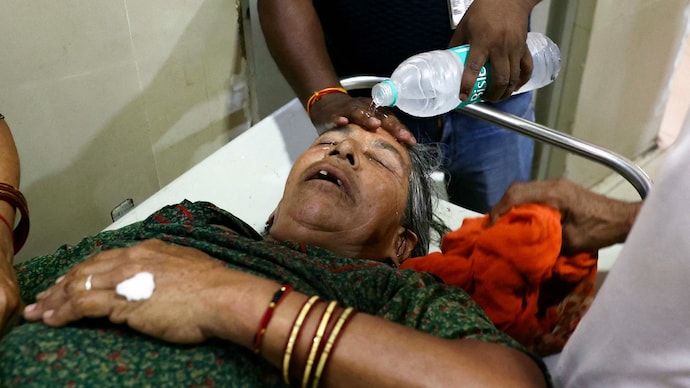
Doctors across India say they are now seeing patients with heat-related symptoms weeks before what used to be considered peak summer, pointing to a worrying shift in how the body is coping with rising temperatures.
“Over the past few years, there's been a noticeable shift: patients are presenting with dehydration, dizziness, syncope, and early heat-related symptoms,” says Dr. Anoop Purkayastha, Consultant Emergency at Fortis Escorts Hospital.
Heat illnesses are starting earlier
Traditionally, severe heat illnesses like heatstroke peak later in the summer. But doctors now say the warning signs are showing up much sooner.
“Patients are presenting earlier in April itself with fatigue, weakness, nausea, headaches and orthostatic dizziness (light-headedness, wooziness, or vertigo),” Dr. Purkayastha explains. While full-blown heatstroke may still occur later, this early phase of repeated heat stress is concerning. “Repeated mild heat stress can predispose individuals to more severe illness later.”
Echoing this trend, Dr. Sushil Kalra, Director of Internal Medicine at CK Birla Hospitals, says, “Heat-related cases are appearing earlier than usual in the season we are seeing cases even during what we used to consider quite mild weather.”
Why is it not just about temperature?
The problem isn’t just how hot it is, it’s how the body experiences that heat.
The human body cools itself mainly through sweating. But that system has limits.
“When the humidity is high, the air is already saturated with moisture, sweat doesn’t evaporate efficiently. That means your body keeps sweating but doesn’t cool down effectively," Dr. Purkayastha explains.
Dr. Kalra adds that poor ventilation makes things worse. “Enclosed spaces with poor ventilation trap warm, moist air, which means the heat cannot spread out. Therefore, although the temperature may not be really high, the body’s ‘felt temperature’ is elevated.”
In simple terms, even if the thermometer doesn’t show extreme heat, your body may still feel, and react to, it as if it were much hotter.
More early signs, more risk ahead
Doctors say cases of heat exhaustion, a milder but serious heat illness are now more common earlier in the season.
Dr. Kalra says, “The shift is quite noticeable. Heat exhaustion cases are being reported not only earlier but also more often.”
This matters because these early symptoms such as thirst, tiredness, headache, dizziness are often ignored. But over time, they can build up and increase the risk of more dangerous conditions like heatstroke, especially in vulnerable groups such as the elderly.
Simple steps can make a big difference
The good news is that small, practical measures can reduce risk significantly—even in crowded or poorly ventilated homes.
Doctors recommend improving airflow at home. “Cross ventilation, keeping windows or doors open on opposite sides can help,” says Dr. Purkayastha. Using fans strategically, such as placing one near a window to push hot air out, can also help reduce indoor heat.
Hydration is equally important. Drinking water regularly, using oral rehydration solutions (ORS), and limiting alcohol intake can help the body cope better with heat.
Dr. Kalra also suggests simple cooling techniques: “Using a wet cloth or cool water on your body, wearing loose cotton clothes, and avoiding the hottest hours of the day can lower the heat burden.”
Know when it’s an emergency
While early symptoms can often be managed, doctors stress the importance of recognising danger signs.
“If someone stops sweating, becomes confused, or has a very high body temperature, treat it as a medical emergency,” warns Dr. Purkayastha.
Immediate cooling such as moving the person to a cooler place and applying cold water or ice packs can be life-saving while seeking urgent medical care.
As temperatures continue to rise earlier each year, experts say awareness is key. The body may be under stress long before peak summer arrives, and recognising that early could make all the difference.
Doctors across India say they are now seeing patients with heat-related symptoms weeks before what used to be considered peak summer, pointing to a worrying shift in how the body is coping with rising temperatures.
“Over the past few years, there's been a noticeable shift: patients are presenting with dehydration, dizziness, syncope, and early heat-related symptoms,” says Dr. Anoop Purkayastha, Consultant Emergency at Fortis Escorts Hospital.
Heat illnesses are starting earlier
Traditionally, severe heat illnesses like heatstroke peak later in the summer. But doctors now say the warning signs are showing up much sooner.
“Patients are presenting earlier in April itself with fatigue, weakness, nausea, headaches and orthostatic dizziness (light-headedness, wooziness, or vertigo),” Dr. Purkayastha explains. While full-blown heatstroke may still occur later, this early phase of repeated heat stress is concerning. “Repeated mild heat stress can predispose individuals to more severe illness later.”
Echoing this trend, Dr. Sushil Kalra, Director of Internal Medicine at CK Birla Hospitals, says, “Heat-related cases are appearing earlier than usual in the season we are seeing cases even during what we used to consider quite mild weather.”
Why is it not just about temperature?
The problem isn’t just how hot it is, it’s how the body experiences that heat.
The human body cools itself mainly through sweating. But that system has limits.
“When the humidity is high, the air is already saturated with moisture, sweat doesn’t evaporate efficiently. That means your body keeps sweating but doesn’t cool down effectively," Dr. Purkayastha explains.
Dr. Kalra adds that poor ventilation makes things worse. “Enclosed spaces with poor ventilation trap warm, moist air, which means the heat cannot spread out. Therefore, although the temperature may not be really high, the body’s ‘felt temperature’ is elevated.”
In simple terms, even if the thermometer doesn’t show extreme heat, your body may still feel, and react to, it as if it were much hotter.
More early signs, more risk ahead
Doctors say cases of heat exhaustion, a milder but serious heat illness are now more common earlier in the season.
Dr. Kalra says, “The shift is quite noticeable. Heat exhaustion cases are being reported not only earlier but also more often.”
This matters because these early symptoms such as thirst, tiredness, headache, dizziness are often ignored. But over time, they can build up and increase the risk of more dangerous conditions like heatstroke, especially in vulnerable groups such as the elderly.
Simple steps can make a big difference
The good news is that small, practical measures can reduce risk significantly—even in crowded or poorly ventilated homes.
Doctors recommend improving airflow at home. “Cross ventilation, keeping windows or doors open on opposite sides can help,” says Dr. Purkayastha. Using fans strategically, such as placing one near a window to push hot air out, can also help reduce indoor heat.
Hydration is equally important. Drinking water regularly, using oral rehydration solutions (ORS), and limiting alcohol intake can help the body cope better with heat.
Dr. Kalra also suggests simple cooling techniques: “Using a wet cloth or cool water on your body, wearing loose cotton clothes, and avoiding the hottest hours of the day can lower the heat burden.”
Know when it’s an emergency
While early symptoms can often be managed, doctors stress the importance of recognising danger signs.
“If someone stops sweating, becomes confused, or has a very high body temperature, treat it as a medical emergency,” warns Dr. Purkayastha.
Immediate cooling such as moving the person to a cooler place and applying cold water or ice packs can be life-saving while seeking urgent medical care.
As temperatures continue to rise earlier each year, experts say awareness is key. The body may be under stress long before peak summer arrives, and recognising that early could make all the difference.

