The rising tide of fatty liver disease: Over 2 billion cases expected by 2050
With over 2 billion people to be diagnosed with fatty liver disease by 2050, the study put a spotlight on liver disease as a serious public health challenge in the coming decades.
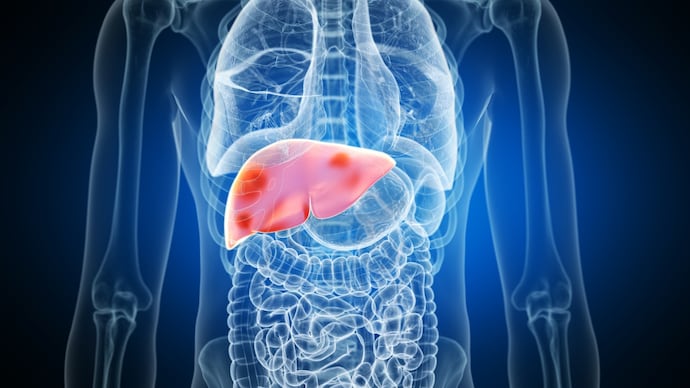
The number of people with fatty liver disease could reach 1.8 billion by 2050, according to new predictions published The Lancet.
The study has shown a sharp rise in metabolic dysfunction-associated steatotic liver disease (MASLD) cases worldwide, putting a spotlight on liver disease as a serious public health challenge in the coming decades.
Researchers from all across the world have highlighted how this rise is mainly due to population growth rather than major changes in lifestyle or ageing alone.
WHAT IS MASLD AND WHY IT MATTERS
Metabolic dysfunction-associated steatotic liver disease, previously referred to as non-alcoholic fatty liver disease (NAFLD), is closely linked to obesity, diabetes, and sedentary lifestyles.
It is now one of the leading causes of chronic liver conditions globally.
The study highlights that MASLD is not just a liver condition, but part of a broader metabolic crisis tied to rising lifestyle-related disorders.
This aligns with global epidemiological trends where non-communicable diseases are overtaking infectious diseases as primary health burdens.
KEY FINDINGS FROM THE STUDY
The analysis presents three critical insights:
Rising prevalence: Cases of MASLD have increased significantly over the past three decades and are projected to grow further by 2050.
Geographical concentration: The burden is shifting towards densely populated and developing regions, including South Asia, including India.
Associated risks: MASLD is strongly linked with heart disease, diabetes, and liver cancer.
The data suggests that without taking precautionary steps, healthcare systems may face a dual burden of metabolic and hepatic diseases simultaneously.
INDIA AND DEVELOPING COUNTRIES IN FOCUS
For countries like India, the implications are particularly serious. Rapid urbanisation, dietary transitions, and reduced physical activity are accelerating metabolic disorders.
From a media and policy lens, this reflects a pattern already visible in India’s health reporting landscape: increasing coverage of diabetes, obesity, and lifestyle diseases. The study reinforces that liver disease is an under-reported extension of this crisis.
WHY THE FUTURE LOOKS CONCERNING
The 2050 predictions indicate that it's not just the number of cases that will increase but also the severity of the disease. Advanced liver conditions such as cirrhosis and liver cancer are expected to rise as well.
This creates a systemic risk in terms of higher healthcare costs, increased mortality rates, and a strain on already burdened public health systems.
The study effectively positions MASLD as a "silent epidemic" because it often progresses without early symptoms.
POLICY GAPS AND NEED FOR INTERVENTION
Researchers stress that current health policies are not adequately equipped to handle this surge. There is a need for early screening programs, public awareness campaigns, and integration of liver health into broader non-communicable disease frameworks.
Globally, preventive healthcare remains underfunded compared to treatment-based systems, a gap that could worsen outcomes if not addressed.
The number of people with fatty liver disease could reach 1.8 billion by 2050, according to new predictions published The Lancet.
The study has shown a sharp rise in metabolic dysfunction-associated steatotic liver disease (MASLD) cases worldwide, putting a spotlight on liver disease as a serious public health challenge in the coming decades.
Researchers from all across the world have highlighted how this rise is mainly due to population growth rather than major changes in lifestyle or ageing alone.
WHAT IS MASLD AND WHY IT MATTERS
Metabolic dysfunction-associated steatotic liver disease, previously referred to as non-alcoholic fatty liver disease (NAFLD), is closely linked to obesity, diabetes, and sedentary lifestyles.
It is now one of the leading causes of chronic liver conditions globally.
The study highlights that MASLD is not just a liver condition, but part of a broader metabolic crisis tied to rising lifestyle-related disorders.
This aligns with global epidemiological trends where non-communicable diseases are overtaking infectious diseases as primary health burdens.
KEY FINDINGS FROM THE STUDY
The analysis presents three critical insights:
Rising prevalence: Cases of MASLD have increased significantly over the past three decades and are projected to grow further by 2050.
Geographical concentration: The burden is shifting towards densely populated and developing regions, including South Asia, including India.
Associated risks: MASLD is strongly linked with heart disease, diabetes, and liver cancer.
The data suggests that without taking precautionary steps, healthcare systems may face a dual burden of metabolic and hepatic diseases simultaneously.
INDIA AND DEVELOPING COUNTRIES IN FOCUS
For countries like India, the implications are particularly serious. Rapid urbanisation, dietary transitions, and reduced physical activity are accelerating metabolic disorders.
From a media and policy lens, this reflects a pattern already visible in India’s health reporting landscape: increasing coverage of diabetes, obesity, and lifestyle diseases. The study reinforces that liver disease is an under-reported extension of this crisis.
WHY THE FUTURE LOOKS CONCERNING
The 2050 predictions indicate that it's not just the number of cases that will increase but also the severity of the disease. Advanced liver conditions such as cirrhosis and liver cancer are expected to rise as well.
This creates a systemic risk in terms of higher healthcare costs, increased mortality rates, and a strain on already burdened public health systems.
The study effectively positions MASLD as a "silent epidemic" because it often progresses without early symptoms.
POLICY GAPS AND NEED FOR INTERVENTION
Researchers stress that current health policies are not adequately equipped to handle this surge. There is a need for early screening programs, public awareness campaigns, and integration of liver health into broader non-communicable disease frameworks.
Globally, preventive healthcare remains underfunded compared to treatment-based systems, a gap that could worsen outcomes if not addressed.

