Doctor says stroke recovery needs therapy not just medicines
Patients recovering from stroke, brain injury and related neurological conditions need active help beyond medicines and surgery. They need both physical and mental health support.
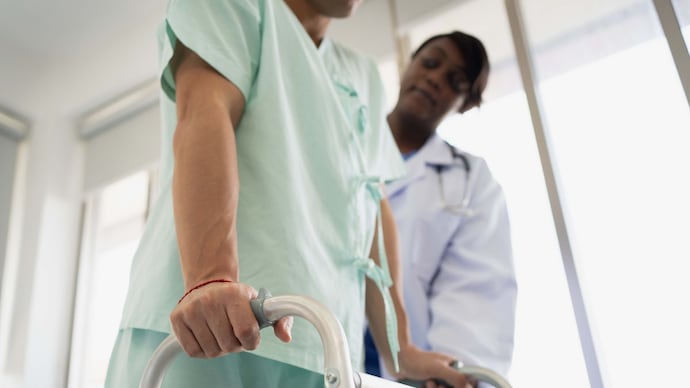
A stroke, brain injury, spinal cord injury, or neurological conditions such as Multiple Sclerosis and Guillain-Barre Syndrome can affect a person’s ability to walk, speak, swallow, remember things, or even perform simple daily tasks. While modern medicines, surgeries, and emergency treatments can save lives, doctors say recovery does not end there.
Many people continue to struggle with paralysis, weakness, memory problems, speech difficulties, or dependence on feeding tubes even after receiving advanced medical treatment.
According to Dr. Nitin Menon, Consultant, Neurorehabilitation at P. D. Hinduja Hospital & Medical Research Centre, these problems need active rehabilitation rather than medicines alone.
The brain’s ability to heal
The brain has a unique ability called “neuroplasticity,” which allows it to relearn skills and form new connections after injury. Healthy parts of the brain can sometimes take over functions lost due to damage.
This healing process is strongest in the early weeks after a stroke or neurological injury, often called the “rehabilitation window.” Starting rehabilitation during this period can improve recovery significantly.
“Just like the body heals after a cut or wound, the brain also tries to repair itself,” Dr. Menon explained. Rehabilitation helps guide this recovery process.
Why early rehabilitation matters
Traditionally, patients are advised to continue therapy slowly at home after discharge from the hospital. However, this can lead to delayed or incomplete recovery.
Today, modern robotic rehabilitation devices are helping patients start therapy much earlier, sometimes while they are still admitted in hospital.
These devices can assist patients with paralysis to stand, take steps, practice walking, and improve hand movement.
Research has shown that repetitive and task-specific training can lead to better recovery, especially in people with severe neurological disability.
Recovery needs a team approach
Neurological rehabilitation is not limited to physical exercises. Patients may also require speech therapy, swallowing therapy, memory training, pain management, bladder and bowel care, and mental health support.
India is witnessing a rapid rise in disabling neurological conditions like strokes and brain injuries.
Early, hospital-based rehabilitation led by trained specialists can help reduce long-term disability and improve quality of life for many patients.
A stroke, brain injury, spinal cord injury, or neurological conditions such as Multiple Sclerosis and Guillain-Barre Syndrome can affect a person’s ability to walk, speak, swallow, remember things, or even perform simple daily tasks. While modern medicines, surgeries, and emergency treatments can save lives, doctors say recovery does not end there.
Many people continue to struggle with paralysis, weakness, memory problems, speech difficulties, or dependence on feeding tubes even after receiving advanced medical treatment.
According to Dr. Nitin Menon, Consultant, Neurorehabilitation at P. D. Hinduja Hospital & Medical Research Centre, these problems need active rehabilitation rather than medicines alone.
The brain’s ability to heal
The brain has a unique ability called “neuroplasticity,” which allows it to relearn skills and form new connections after injury. Healthy parts of the brain can sometimes take over functions lost due to damage.
This healing process is strongest in the early weeks after a stroke or neurological injury, often called the “rehabilitation window.” Starting rehabilitation during this period can improve recovery significantly.
“Just like the body heals after a cut or wound, the brain also tries to repair itself,” Dr. Menon explained. Rehabilitation helps guide this recovery process.
Why early rehabilitation matters
Traditionally, patients are advised to continue therapy slowly at home after discharge from the hospital. However, this can lead to delayed or incomplete recovery.
Today, modern robotic rehabilitation devices are helping patients start therapy much earlier, sometimes while they are still admitted in hospital.
These devices can assist patients with paralysis to stand, take steps, practice walking, and improve hand movement.
Research has shown that repetitive and task-specific training can lead to better recovery, especially in people with severe neurological disability.
Recovery needs a team approach
Neurological rehabilitation is not limited to physical exercises. Patients may also require speech therapy, swallowing therapy, memory training, pain management, bladder and bowel care, and mental health support.
India is witnessing a rapid rise in disabling neurological conditions like strokes and brain injuries.
Early, hospital-based rehabilitation led by trained specialists can help reduce long-term disability and improve quality of life for many patients.

