Why thyroid gland is causing big problems in young bodies: Can we blame lifestyle?
Thyroid disorders are increasingly affecting adults and teenagers. Doctors warn that stress, poor sleep, nutritional gaps and crash dieting can worsen metabolic imbalance.
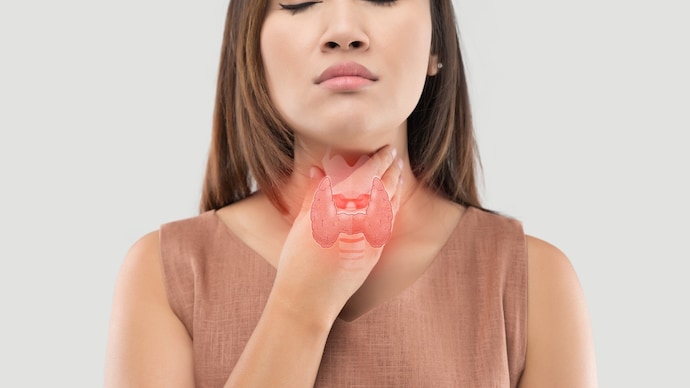
Thyroid problems are no longer seen only as conditions affecting adults or illnesses identified solely through symptoms. They are now recognised as metabolic and lifestyle-related disorders that increasingly affect both adults and teenagers.
Thyroid disorders happen when the butterfly-shaped gland located in the neck is unable to produce the right amount of hormones for the body. As a result, thyroid hormone levels go haywire, either producing too much hormone (hyperthyroidism) or too little (hypothyroidism).
This can lead to a range of symptoms and bodily changes, including problems related to metabolism.
The earlier you recognise signs of thyroid dysfunction, the better it will be for metabolism, fertility, heart health, mood and overall wellbeing.
THE SUBTLE SIGNS
Thyroid problems start with subtle signs. These include fatigue, hair loss, weight changes, and low mood.
"I often see patients who are eating less, exercising harder, yet continue gaining weight, feeling exhausted, mentally foggy, and hormonally imbalanced. This is because of thyroid disorders, which have become increasingly common, especially among younger individuals, and the reasons are deeply linked to modern metabolic stress," Dr. Aijaz Ilmi, Senior Consultant, Diabetes & Metabolic Health, Pacific OneHealth Hospital tells India Today Digital.
LIFESTYLE CHANGES AFFECTING THYROID PROBLEMS
Thyroid dysfunction is rarely caused by a single factor.
It is increasingly driven by a combination of chronic stress, poor sleep, lifestyles that do not contain exercise, obesity, nutritional deficiencies, rising micronutrient deficiencies, environmental triggers, and a sharp rise in autoimmune conditions such as Hashimoto’s thyroiditis.
Dr. Aijaz Ilmi says thyroid health is, therefore, not just a hormone issue. It is a metabolic health issue.
"Sustainable recovery comes from restoring metabolic balance through proper nutrition, adequate protein intake, movement, sleep optimisation, stress reduction, gut health support, and timely medical intervention when required," he says.
HOW IS THYROID DYSFUNCTION TESTED
Thyroid dysfunction is diagnosed through a blood test that checks T3, T4 and TSH hormone levels.
When the thyroid produces too little hormone, called hypothyroidism, people can feel tired, gain weight and feel unusually cold.
When it produces too much hormone, called hyperthyroidism, it can lead to weight loss, sweating, anxiety and a fast heartbeat.
In hyperthyroidism, T3 and T4 levels rise, so the brain lowers TSH production to stop the thyroid from making excess hormones.
This leads to tiredness, weight gain, feeling unusually cold, dry skin, hair fall, constipation, puffiness in the face, slowed heart rate and muscle weakness.
In women, it can sometimes cause irregular periods or fertility problems.
HOW TO SUPPORT THYROID HEALTH
The thyroid gland is essentially the body’s metabolic regulator.
When thyroid function slows, the entire metabolic machinery slows with it, energy production declines, fat-burning efficiency drops, recovery worsens, and even mood and sleep can be affected.
"What is concerning is that many patients respond by drastically cutting calories or skipping meals. Unfortunately, this often backfires," says Dr. Aijaz Ilmi, adding that eating too few calories can put the body in stress mode, which worsens weight management.
The body interprets severe calorie restriction as a stress signal and shifts further into energy-conservation mode, worsening fatigue, slowing metabolism further, and making weight loss even more difficult.
The right way to improve thyroid dysfunction is through proper nutrition. Reducing calories in a healthy way is fine, but the focus should be on nutritionally dense foods.
Protein is especially important for thyroid function. Sleep, stress and gut health also need to be optimised to support balanced thyroid function.
Thyroid problems are no longer seen only as conditions affecting adults or illnesses identified solely through symptoms. They are now recognised as metabolic and lifestyle-related disorders that increasingly affect both adults and teenagers.
Thyroid disorders happen when the butterfly-shaped gland located in the neck is unable to produce the right amount of hormones for the body. As a result, thyroid hormone levels go haywire, either producing too much hormone (hyperthyroidism) or too little (hypothyroidism).
This can lead to a range of symptoms and bodily changes, including problems related to metabolism.
The earlier you recognise signs of thyroid dysfunction, the better it will be for metabolism, fertility, heart health, mood and overall wellbeing.
THE SUBTLE SIGNS
Thyroid problems start with subtle signs. These include fatigue, hair loss, weight changes, and low mood.
"I often see patients who are eating less, exercising harder, yet continue gaining weight, feeling exhausted, mentally foggy, and hormonally imbalanced. This is because of thyroid disorders, which have become increasingly common, especially among younger individuals, and the reasons are deeply linked to modern metabolic stress," Dr. Aijaz Ilmi, Senior Consultant, Diabetes & Metabolic Health, Pacific OneHealth Hospital tells India Today Digital.
LIFESTYLE CHANGES AFFECTING THYROID PROBLEMS
Thyroid dysfunction is rarely caused by a single factor.
It is increasingly driven by a combination of chronic stress, poor sleep, lifestyles that do not contain exercise, obesity, nutritional deficiencies, rising micronutrient deficiencies, environmental triggers, and a sharp rise in autoimmune conditions such as Hashimoto’s thyroiditis.
Dr. Aijaz Ilmi says thyroid health is, therefore, not just a hormone issue. It is a metabolic health issue.
"Sustainable recovery comes from restoring metabolic balance through proper nutrition, adequate protein intake, movement, sleep optimisation, stress reduction, gut health support, and timely medical intervention when required," he says.
HOW IS THYROID DYSFUNCTION TESTED
Thyroid dysfunction is diagnosed through a blood test that checks T3, T4 and TSH hormone levels.
When the thyroid produces too little hormone, called hypothyroidism, people can feel tired, gain weight and feel unusually cold.
When it produces too much hormone, called hyperthyroidism, it can lead to weight loss, sweating, anxiety and a fast heartbeat.
In hyperthyroidism, T3 and T4 levels rise, so the brain lowers TSH production to stop the thyroid from making excess hormones.
This leads to tiredness, weight gain, feeling unusually cold, dry skin, hair fall, constipation, puffiness in the face, slowed heart rate and muscle weakness.
In women, it can sometimes cause irregular periods or fertility problems.
HOW TO SUPPORT THYROID HEALTH
The thyroid gland is essentially the body’s metabolic regulator.
When thyroid function slows, the entire metabolic machinery slows with it, energy production declines, fat-burning efficiency drops, recovery worsens, and even mood and sleep can be affected.
"What is concerning is that many patients respond by drastically cutting calories or skipping meals. Unfortunately, this often backfires," says Dr. Aijaz Ilmi, adding that eating too few calories can put the body in stress mode, which worsens weight management.
The body interprets severe calorie restriction as a stress signal and shifts further into energy-conservation mode, worsening fatigue, slowing metabolism further, and making weight loss even more difficult.
The right way to improve thyroid dysfunction is through proper nutrition. Reducing calories in a healthy way is fine, but the focus should be on nutritionally dense foods.
Protein is especially important for thyroid function. Sleep, stress and gut health also need to be optimised to support balanced thyroid function.

