What to feed (and not to feed) babies before 6 months
Despite clear medical advice, many families still give water, honey, or other foods to babies under 6 months. Doctors say this common practice can quietly harm an infant's health and development.
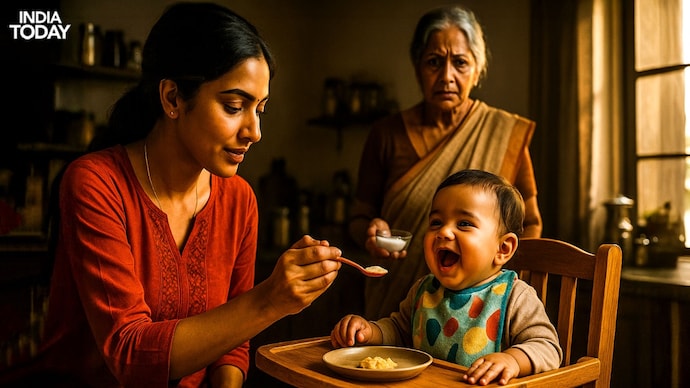
In many Indian households, giving a newborn a few drops of honey, water, or even diluted milk is often seen as a harmless tradition. Elders may recommend it to soothe the baby, improve digestion, or as part of cultural rituals.
However, modern medical science strongly disagrees with this practice.
Global health bodies like the World Health Organisation (WHO) and UNICEF clearly recommend exclusive breastfeeding for the first six months of life. This means that babies should not be given anything else, not even water, during this period.
Yet, studies and paediatricians continue to report that early feeding remains common.
Many parents, often unaware of the risks, introduce water, honey, or semi-solid foods too soon. Doctors warn that this can lead to infections, poor nutrition, and even life-threatening conditions in some cases.
WHY EXCLUSIVE BREASTFEEDING FOR 6 MONTHS MATTERS
Breast milk is uniquely designed to meet all the nutritional needs of a baby for the first six months. It contains the right balance of water, nutrients, and antibodies.
Doctors say that even in hot weather, breast milk provides enough hydration. Giving extra water can actually be harmful, as it may fill the baby’s tiny stomach and reduce the intake of nutrient-rich milk.
THE HIDDEN DANGERS OF GIVING WATER EARLY
Many parents believe water is harmless, but experts say otherwise.
- advertisement
Risk of infections: Babies have immature immune systems. Contaminated water can expose them to bacteria and viruses.
Reduced nutrient intake: Water fills the stomach, leading to less breastfeeding.
Water intoxication: In rare cases, too much water can disturb sodium levels in the body.
WHY HONEY IS STRICTLY A NO FOR INFANTS
Giving honey to newborns is a widespread cultural practice, but doctors strongly advise against it.
Honey can carry spores of bacteria that cause infant botulism, a rare but serious condition that affects the baby’s nervous system. Even a small amount can be dangerous.
Symptoms can include weakness, poor feeding, constipation, and breathing problems. Because a baby’s digestive system is still developing, it cannot fight off these bacteria effectively.
WHAT STUDIES AND DOCTORS SAY
Several studies have shown that introducing foods or liquids before six months increases the risk of:
Diarrhoea and infections
Malnutrition
Allergies later in life
Reduced benefits of breastfeeding
Doctors also point out that early feeding does not help babies sleep better or grow faster—common myths that still influence many families.
WHY THE PRACTICE STILL CONTINUES
Despite clear guidelines, early feeding persists due to:
Cultural traditions passed down through generations
Family pressure, especially from elders
Lack of awareness about modern medical advice
- advertisement
Misconceptions about breast milk being insufficient
Paediatricians say new mothers often struggle to balance medical advice with family expectations, especially in joint families.
WHAT PARENTS SHOULD DO INSTEAD
Experts recommend:
Start exclusive breastfeeding immediately after birth
Avoid giving water, honey, or any other food for six months
Begin complementary feeding only after 6 months, while continuing breastfeeding
Consult a doctor if the baby seems hungry or fussy instead of introducing early foods
The first six months of a baby’s life are critical for growth and immunity. While traditional practices may seem comforting, doctors stress that they are not always safe.
Following evidence-based guidelines like exclusive breastfeeding, can protect babies from preventable illnesses and ensure a healthier start to life.
In many Indian households, giving a newborn a few drops of honey, water, or even diluted milk is often seen as a harmless tradition. Elders may recommend it to soothe the baby, improve digestion, or as part of cultural rituals.
However, modern medical science strongly disagrees with this practice.
Global health bodies like the World Health Organisation (WHO) and UNICEF clearly recommend exclusive breastfeeding for the first six months of life. This means that babies should not be given anything else, not even water, during this period.
Yet, studies and paediatricians continue to report that early feeding remains common.
Many parents, often unaware of the risks, introduce water, honey, or semi-solid foods too soon. Doctors warn that this can lead to infections, poor nutrition, and even life-threatening conditions in some cases.
WHY EXCLUSIVE BREASTFEEDING FOR 6 MONTHS MATTERS
Breast milk is uniquely designed to meet all the nutritional needs of a baby for the first six months. It contains the right balance of water, nutrients, and antibodies.
Doctors say that even in hot weather, breast milk provides enough hydration. Giving extra water can actually be harmful, as it may fill the baby’s tiny stomach and reduce the intake of nutrient-rich milk.
THE HIDDEN DANGERS OF GIVING WATER EARLY
Many parents believe water is harmless, but experts say otherwise.
Risk of infections: Babies have immature immune systems. Contaminated water can expose them to bacteria and viruses.
Reduced nutrient intake: Water fills the stomach, leading to less breastfeeding.
Water intoxication: In rare cases, too much water can disturb sodium levels in the body.
WHY HONEY IS STRICTLY A NO FOR INFANTS
Giving honey to newborns is a widespread cultural practice, but doctors strongly advise against it.
Honey can carry spores of bacteria that cause infant botulism, a rare but serious condition that affects the baby’s nervous system. Even a small amount can be dangerous.
Symptoms can include weakness, poor feeding, constipation, and breathing problems. Because a baby’s digestive system is still developing, it cannot fight off these bacteria effectively.
WHAT STUDIES AND DOCTORS SAY
Several studies have shown that introducing foods or liquids before six months increases the risk of:
Diarrhoea and infections
Malnutrition
Allergies later in life
Reduced benefits of breastfeeding
Doctors also point out that early feeding does not help babies sleep better or grow faster—common myths that still influence many families.
WHY THE PRACTICE STILL CONTINUES
Despite clear guidelines, early feeding persists due to:
Cultural traditions passed down through generations
Family pressure, especially from elders
Lack of awareness about modern medical advice
Misconceptions about breast milk being insufficient
Paediatricians say new mothers often struggle to balance medical advice with family expectations, especially in joint families.
WHAT PARENTS SHOULD DO INSTEAD
Experts recommend:
Start exclusive breastfeeding immediately after birth
Avoid giving water, honey, or any other food for six months
Begin complementary feeding only after 6 months, while continuing breastfeeding
Consult a doctor if the baby seems hungry or fussy instead of introducing early foods
The first six months of a baby’s life are critical for growth and immunity. While traditional practices may seem comforting, doctors stress that they are not always safe.
Following evidence-based guidelines like exclusive breastfeeding, can protect babies from preventable illnesses and ensure a healthier start to life.

