WHO reports 906 suspected Ebola cases, 223 deaths in Congo from Bundibugyo strain
WHO said Congo has reported 906 suspected Ebola cases and 223 suspected deaths under investigation. The Bundibugyo strain is spreading into Uganda, with no approved vaccine or treatment for it.
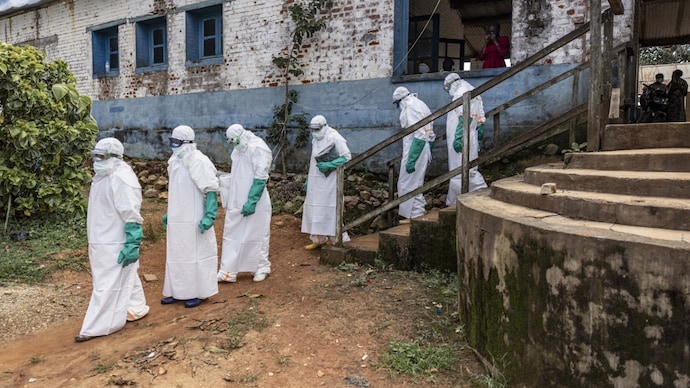
The World Health Organisation (WHO) said on Friday that Congo has reported 906 suspected Ebola cases, including 223 suspected deaths that are still being investigated.
The outbreak is being caused by the Bundibugyo strain of Ebola and is continuing to spread in the Democratic Republic of Congo, with some cases also found in Uganda.
WHO said there are currently no approved vaccines or treatments made specifically for this strain of Ebola.
Currently, three experimental drugs have been identified that could help treat the dangerous Bundibugyo strain.
The treatments include MBP134 made by Mapp Biopharmaceutical, maftivimab developed by Regeneron, and the antiviral drug remdesivir from Gilead Sciences.
WHO said these medicines are still experimental and need to be tested in clinical trials to understand how well they work against this strain of Ebola.
Scientists and health experts around the world are currently searching for possible vaccines and treatments because there are no approved drugs or vaccines specifically made for the Bundibugyo virus yet.
Regeneron said supplies of its drug maftivimab are already available in Congo and could be used quickly if WHO decides to include it in treatment studies.
For prevention, WHO highlighted Gilead’s experimental antiviral pill obeldesivir as a possible option for people who may have been exposed to Ebola after coming in contact with infected patients.
However, experts said this will only work properly if health officials are able to quickly identify and track close contacts of infected people.
WHO ALSO REVIEWED POSSIBLE EBOLA VACCINES
One of the most promising vaccine candidates is called rVSV Bundibugyo, which is being developed by the International AIDS Vaccine Initiative.
However, WHO said it may take another seven to nine months before it is ready for human trials.
Another vaccine candidate, called ChAdOx1 Bundibugyo, is being developed by the University of Oxford and the Serum Institute of India. This vaccine could be ready for testing within two to three months, although more animal testing is still needed.
WHO also examined whether Merck's Ervebo vaccine, currently the world’s only approved Ebola vaccine, could help. But experts said there is still not enough proof that it works against the Bundibugyo strain, so it should only be used in research studies for now.
In addition, WHO experts suggested studying combination treatments that use antibody drugs together with remdesivir to see if they improve survival in patients infected with the virus.
The World Health Organisation (WHO) said on Friday that Congo has reported 906 suspected Ebola cases, including 223 suspected deaths that are still being investigated.
The outbreak is being caused by the Bundibugyo strain of Ebola and is continuing to spread in the Democratic Republic of Congo, with some cases also found in Uganda.
WHO said there are currently no approved vaccines or treatments made specifically for this strain of Ebola.
Currently, three experimental drugs have been identified that could help treat the dangerous Bundibugyo strain.
The treatments include MBP134 made by Mapp Biopharmaceutical, maftivimab developed by Regeneron, and the antiviral drug remdesivir from Gilead Sciences.
WHO said these medicines are still experimental and need to be tested in clinical trials to understand how well they work against this strain of Ebola.
Scientists and health experts around the world are currently searching for possible vaccines and treatments because there are no approved drugs or vaccines specifically made for the Bundibugyo virus yet.
Regeneron said supplies of its drug maftivimab are already available in Congo and could be used quickly if WHO decides to include it in treatment studies.
For prevention, WHO highlighted Gilead’s experimental antiviral pill obeldesivir as a possible option for people who may have been exposed to Ebola after coming in contact with infected patients.
However, experts said this will only work properly if health officials are able to quickly identify and track close contacts of infected people.
WHO ALSO REVIEWED POSSIBLE EBOLA VACCINES
One of the most promising vaccine candidates is called rVSV Bundibugyo, which is being developed by the International AIDS Vaccine Initiative.
However, WHO said it may take another seven to nine months before it is ready for human trials.
Another vaccine candidate, called ChAdOx1 Bundibugyo, is being developed by the University of Oxford and the Serum Institute of India. This vaccine could be ready for testing within two to three months, although more animal testing is still needed.
WHO also examined whether Merck's Ervebo vaccine, currently the world’s only approved Ebola vaccine, could help. But experts said there is still not enough proof that it works against the Bundibugyo strain, so it should only be used in research studies for now.
In addition, WHO experts suggested studying combination treatments that use antibody drugs together with remdesivir to see if they improve survival in patients infected with the virus.

