As gold hits lean patch, how jewellery industry plans to keep the glitter on
The Centre's curbs on gold import have put jewellers across India on the edge. Survival tips from industry stakeholders
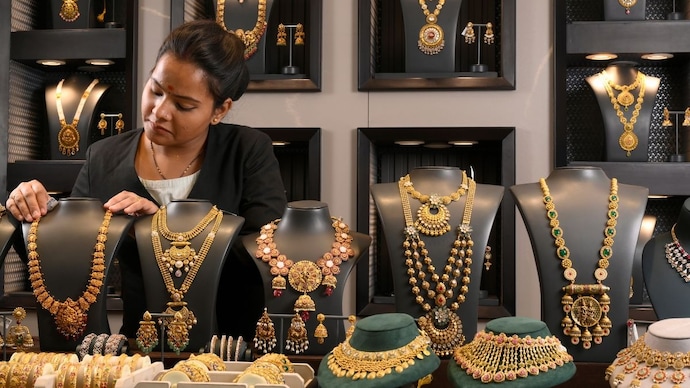
The government’s rationale is to curb overseas purchases of the yellow metal since India is already facing a higher import bill due to rising energy costs amidst the West Asia conflict and a weakening rupee, which touched a record low against the dollar last week.
India is the second-largest consumer of gold in the world, so the impact of the year-long austerity is being predicted as significant. Rajesh Rokde, chairman of the All India Gem and Jewellery Domestic Council (GJC), said the industry should not only adhere to the prime minister’s appeal but desist from production strikes or panic-induced reactions.
Rokde explained that after crude oil, a huge amount of foreign exchange goes out for gold imports, so Modi’s message is aimed at improving India’s balance of payments and reducing excessive dependence on imports.
The gems and jewellery sector employs 5-6 million artisans and 4-5 million salespersons. Nearly 70 per cent of the salespersons are women. Any disruption similar to the Covid lockdown could affect nearly 10 million livelihoods, including those in allied sectors such as gold hallmarking, packaging, logistics, security, banking and insurance.
The GJC had called a meeting of members to discuss how to best navigate the austerity measures in line with the government’s vision while ensuring minimal impact on the industry. Several members in the meeting emphasised the importance of industry unity and constructive engagement. They recommended revitalising the Gold Monetisation Scheme to put idle gold, lying in the form of bars and coins in homes and lockers, to productive use.
As per industry estimates, a quarter of the imported gold is used for jewellery. Avinash Gupta, vice-chairman, GJC, suggested that the industry as a whole try to reduce bullion sales and promote old-gold-exchange programmes to optimise alignment with the government’s measures. He also warned that grey market activity booms during periods of higher duties, so stakeholders be vigilant.
A jeweller from Akola in Maharashtra suggested temporary regulatory changes to allow investment in digital gold bullion through gold ETFs (exchange traded funds) without the mandatory backing of physical gold. This would divert available gold to jewellery use.
Ashok Minawala, a former GJC chairman, said the jewellery industry has diversified and suggested shifting focus towards silver, diamonds, lab-grown diamonds and stone-studded jewellery as alternatives to gold ornaments.
There is also consensus that the industry make efforts to ensure the crisis does not escalate to a gold control order. It is also felt that the government consider reviving the Kolar gold fields in Karnataka, wherein mining could become lucrative due to elevated gold prices.
Other recommendations included removing Goods and Services Tax (GST) on buying gold from exchange schemes, stopping the sale of gold coins above 10 grams as they involve no value addition, and promoting lighter-weight jewellery, such as made of 14 carat and 18 carat gold.
Subscribe to India Today Magazine
The government’s rationale is to curb overseas purchases of the yellow metal since India is already facing a higher import bill due to rising energy costs amidst the West Asia conflict and a weakening rupee, which touched a record low against the dollar last week.
India is the second-largest consumer of gold in the world, so the impact of the year-long austerity is being predicted as significant. Rajesh Rokde, chairman of the All India Gem and Jewellery Domestic Council (GJC), said the industry should not only adhere to the prime minister’s appeal but desist from production strikes or panic-induced reactions.
Rokde explained that after crude oil, a huge amount of foreign exchange goes out for gold imports, so Modi’s message is aimed at improving India’s balance of payments and reducing excessive dependence on imports.
The gems and jewellery sector employs 5-6 million artisans and 4-5 million salespersons. Nearly 70 per cent of the salespersons are women. Any disruption similar to the Covid lockdown could affect nearly 10 million livelihoods, including those in allied sectors such as gold hallmarking, packaging, logistics, security, banking and insurance.
The GJC had called a meeting of members to discuss how to best navigate the austerity measures in line with the government’s vision while ensuring minimal impact on the industry. Several members in the meeting emphasised the importance of industry unity and constructive engagement. They recommended revitalising the Gold Monetisation Scheme to put idle gold, lying in the form of bars and coins in homes and lockers, to productive use.
As per industry estimates, a quarter of the imported gold is used for jewellery. Avinash Gupta, vice-chairman, GJC, suggested that the industry as a whole try to reduce bullion sales and promote old-gold-exchange programmes to optimise alignment with the government’s measures. He also warned that grey market activity booms during periods of higher duties, so stakeholders be vigilant.
A jeweller from Akola in Maharashtra suggested temporary regulatory changes to allow investment in digital gold bullion through gold ETFs (exchange traded funds) without the mandatory backing of physical gold. This would divert available gold to jewellery use.
Ashok Minawala, a former GJC chairman, said the jewellery industry has diversified and suggested shifting focus towards silver, diamonds, lab-grown diamonds and stone-studded jewellery as alternatives to gold ornaments.
There is also consensus that the industry make efforts to ensure the crisis does not escalate to a gold control order. It is also felt that the government consider reviving the Kolar gold fields in Karnataka, wherein mining could become lucrative due to elevated gold prices.
Other recommendations included removing Goods and Services Tax (GST) on buying gold from exchange schemes, stopping the sale of gold coins above 10 grams as they involve no value addition, and promoting lighter-weight jewellery, such as made of 14 carat and 18 carat gold.
Subscribe to India Today Magazine

