How free bus rides for Kerala women promise to widen VD Satheesan's popularity
Transport minister C.P. John says the scheme was launched keeping in mind Kerala's social realities, and the interests of the state transport body would be protected
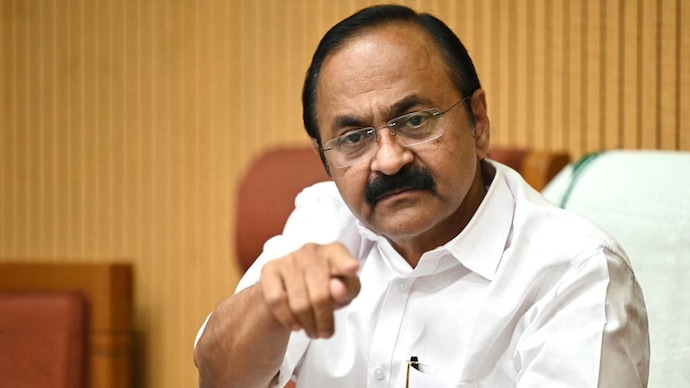
Under Congress-led UDF (United Democratic Front) rule, one of the first things chief minister V.D. Satheesan has done is bring in the populist scheme that stands to immensely benefit millions of women in the state.
“We are offering free rides to women in public transport buses by taking into account the social realities. The decision will not harm state-run public transport. We have worked out the modalities,” C.P. John, the new minister for public transport, told INDIA TODAY.
The scheme will be operational from June 15, and the revenue pinch will be felt soon. The Kerala State Road Transport Corporation (KSRTC) estimates losses of up to Rs 112 crore every month if the free rides cover all its bus types. If restricted to just ordinary buses, the monthly setback will be around Rs 57 crore.
Private bus operators, fearing losing women passengers, are understandably aggrieved. T. Gopinathan, president of the All Kerala Private Bus Operators Organisation, wanted the government to reconsider the scheme. “If free travel is implemented, public transportation in Kerala will collapse. Most women commuters depend on private buses, not KSRTC. In fact, around 80 per cent of public transport is handled by private buses,” Gopinathan said.
Kerala’s public transport system has over 10,000 buses—3,600 buses operated by KSRTC and 6,700 private-run. The prospect of free travel has women excited. “It’s a great relief. Recognising women as an integral part of Kerala’s development is an inclusive idea and revolutionary,” said Arathi Nair, a 27-year-old IT professional in Thiruvananthapuram.
The biggest beneficiaries of the scheme will be women workers from poor and lower-income households, scores of whom travel 60 km or more every day. “I spend Rs 100 daily for 25 days a month. Now, I can look forward to saving Rs 2,500 from my earnings. It’s a big sum,” says 58-year-old Jaya N,. who works as a domestic help in Thiruvananthapuram. She adds that she voted for the Congress in the elections.
If this election marked a shift in voting preferences of women in favour of the Congress, the election promise of free bus rides was a huge factor. It’s a political dynamic that the LDF—now settling into Opposition space after a decade of governance—did not understand.
Subscribe to India Today Magazine
Under Congress-led UDF (United Democratic Front) rule, one of the first things chief minister V.D. Satheesan has done is bring in the populist scheme that stands to immensely benefit millions of women in the state.
“We are offering free rides to women in public transport buses by taking into account the social realities. The decision will not harm state-run public transport. We have worked out the modalities,” C.P. John, the new minister for public transport, told INDIA TODAY.
The scheme will be operational from June 15, and the revenue pinch will be felt soon. The Kerala State Road Transport Corporation (KSRTC) estimates losses of up to Rs 112 crore every month if the free rides cover all its bus types. If restricted to just ordinary buses, the monthly setback will be around Rs 57 crore.
Private bus operators, fearing losing women passengers, are understandably aggrieved. T. Gopinathan, president of the All Kerala Private Bus Operators Organisation, wanted the government to reconsider the scheme. “If free travel is implemented, public transportation in Kerala will collapse. Most women commuters depend on private buses, not KSRTC. In fact, around 80 per cent of public transport is handled by private buses,” Gopinathan said.
Kerala’s public transport system has over 10,000 buses—3,600 buses operated by KSRTC and 6,700 private-run. The prospect of free travel has women excited. “It’s a great relief. Recognising women as an integral part of Kerala’s development is an inclusive idea and revolutionary,” said Arathi Nair, a 27-year-old IT professional in Thiruvananthapuram.
The biggest beneficiaries of the scheme will be women workers from poor and lower-income households, scores of whom travel 60 km or more every day. “I spend Rs 100 daily for 25 days a month. Now, I can look forward to saving Rs 2,500 from my earnings. It’s a big sum,” says 58-year-old Jaya N,. who works as a domestic help in Thiruvananthapuram. She adds that she voted for the Congress in the elections.
If this election marked a shift in voting preferences of women in favour of the Congress, the election promise of free bus rides was a huge factor. It’s a political dynamic that the LDF—now settling into Opposition space after a decade of governance—did not understand.
Subscribe to India Today Magazine

