Modi's austerity drive: Why more actions could follow fuel price hike
With oil companies' losses only partially cushioned, more fuel rate increases are anticipated and will have a significant impact on inflation
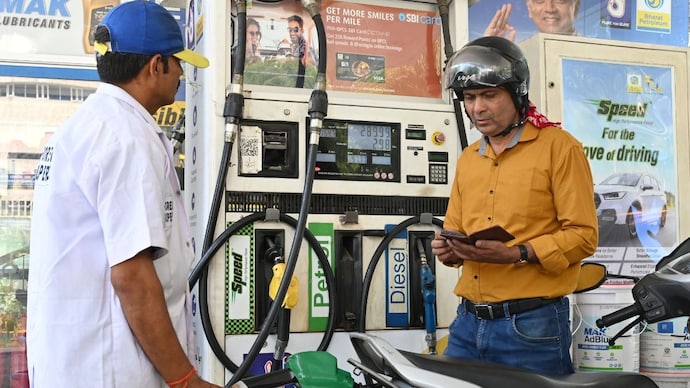
With the latest round of assembly elections over, the hike in fuel rates had been widely expected. It was building up given the impact on India of acute energy supply disruptions from the West Asia conflict and the blockading of the Strait of Hormuz through which a fifth of the global oil supply passes. The continuing stand-off had significantly pushed up Brent crude oil prices. Reaching $122 a barrel on April 30—the highest since the 2022 Russian invasion of Ukraine—Brent crude was trading at $109 a barrel on May 16.
The landed cost of crude in India is much higher, at around $114 a barrel currently. This is over 60 per cent higher compared to last July. From mid-March to mid-April this year, the Indian basket of crude oil averaged $131 per barrel while Brent crude oil averaged $104 per barrel, according to ratings agency CareEdge Ratings.
India imports about 89 per cent of its crude oil requirement, which means the country’s import bill will rise significantly as a result of the high crude prices. India purchased 245.3 million tonnes of crude oil in FY26 as against 243.2 million tonnes in the preceding financial year. However, at $117.5 billion, the country’s net oil and gas import bill for FY26 was lower by 10 per cent than the previous financial year, due to subdued Indian oil basket prices. But the soaring oil prices will change that calculation this year.
To add to the trouble, the rupee has been weakening over the past few months. So far in 2026, it has fallen by over 6 per cent against the dollar. On May 14, the rupee dropped to a historic low of 95.86 to the dollar, weighed down by high crude oil prices and the West Asia stalemate.
The government says oil marketing companies (OMCs), such as Indian Oil Corporation, Bharat Petroleum and Hindustan Petroleum, had been collectively losing around Rs 1,000 crore a day before the fuel price hike, on account of selling petrol, diesel and liquefied petroleum gas (LPG) below the market price. Media reports say the Rs 3 hike will yield an additional monthly revenue of a little over Rs 4,400 crore. But considering that the monthly losses for the three OMCs are upwards of Rs 30,000 crore, the present hike is hardly any solace. This is why many experts say a series of fuel price hikes is likely.
The result of such a hike is high inflation, which had anyway started inching up and is expected to be around 5 per cent in the current fiscal due to the West Asia war. Consumer price index (CPI) inflation for April 2026 was 3.48 per cent, and would go up in the coming days in case of a prolonged stand-off in West Asia. The wholesale price index (WPI) inflation rate for the month was 8.3 per cent, the highest in 3.5 years.
“India’s decision to raise retail prices of petrol and diesel by Rs 3 per litre marks a meaningful, even if partial, step towards unwinding one of the more prolonged under-recovery cycles in recent memory,” said Sehul Bhatt, director of data analytics firm Crisil Intelligence.
At their peak, OMCs were absorbing losses of Rs 23-30 per litre on petrol and diesel, translating into a combined daily loss of Rs 1,300 crore-Rs 1,400 crore across petrol, diesel and LPG. Government intervention through excise duty relief of Rs 10 per litre narrowed these down to Rs 14 and Rs 17 per litre on petrol and diesel, respectively, reducing the run rate of daily loss to around Rs 1,000 crore, Bhatt said.
“The Rs 3 hike, alongside a marginal softening in crude prices, brings estimated residual under-recoveries down to Rs 10 and Rs 13 per litre, offering OMCs a degree of operational breathing room,” he added.
Initial estimates suggest cumulative losses since the onset of the West Asia conflict had reached Rs 70,000 crore across the three fuel categories by April and were expected to cross Rs 1 lakh crore by end-May. Besides, cooking gas under-recoveries—the most structurally persistent of the three—remain unaddressed.
“The price increase is, therefore, aimed at containing incremental balance-sheet stress rather than restoring marketing margins, and is better read as a policy acknowledgement that absorbed costs must eventually reflect in the prices,” said Bhatt.
“The recent increase in retail fuel prices is expected to have a direct impact of 15 basis points (bps) on the inflation basket,” said Rajani Sinha, chief economist, CareEdge Ratings. Beyond this, there are likely to be major indirect inflationary pressures, particularly through higher transportation costs, freight and logistics expenses, increased input costs in the agricultural sector and higher food inflation. “The indirect impact can add an additional 10-15 bps to CPI inflation. Taking account of higher pass-through to consumers, we expect CPI inflation to average 4.6-5 per cent,” she said.
This divergence further intensified cost pressures on OMCs. The spread between the Indian oil basket and Brent prices has since narrowed, which should offer some additional relief. However, despite narrowing price spreads, there is a possibility of further increases in retail fuel prices, especially if global energy prices remain elevated for a prolonged period.
It’s not clear how much of the prime minister’s advice can be implemented, but the austerity measures include not buying gold for a year, avoiding travel and destination weddings abroad, working from home as much as possible, curtailing fertiliser use by half, reducing edible oil use, promoting carpooling, public transport and electric vehicles, and encouraging swadeshi products.
Subscribe to India Today Magazine
With the latest round of assembly elections over, the hike in fuel rates had been widely expected. It was building up given the impact on India of acute energy supply disruptions from the West Asia conflict and the blockading of the Strait of Hormuz through which a fifth of the global oil supply passes. The continuing stand-off had significantly pushed up Brent crude oil prices. Reaching $122 a barrel on April 30—the highest since the 2022 Russian invasion of Ukraine—Brent crude was trading at $109 a barrel on May 16.
The landed cost of crude in India is much higher, at around $114 a barrel currently. This is over 60 per cent higher compared to last July. From mid-March to mid-April this year, the Indian basket of crude oil averaged $131 per barrel while Brent crude oil averaged $104 per barrel, according to ratings agency CareEdge Ratings.
India imports about 89 per cent of its crude oil requirement, which means the country’s import bill will rise significantly as a result of the high crude prices. India purchased 245.3 million tonnes of crude oil in FY26 as against 243.2 million tonnes in the preceding financial year. However, at $117.5 billion, the country’s net oil and gas import bill for FY26 was lower by 10 per cent than the previous financial year, due to subdued Indian oil basket prices. But the soaring oil prices will change that calculation this year.
To add to the trouble, the rupee has been weakening over the past few months. So far in 2026, it has fallen by over 6 per cent against the dollar. On May 14, the rupee dropped to a historic low of 95.86 to the dollar, weighed down by high crude oil prices and the West Asia stalemate.
The government says oil marketing companies (OMCs), such as Indian Oil Corporation, Bharat Petroleum and Hindustan Petroleum, had been collectively losing around Rs 1,000 crore a day before the fuel price hike, on account of selling petrol, diesel and liquefied petroleum gas (LPG) below the market price. Media reports say the Rs 3 hike will yield an additional monthly revenue of a little over Rs 4,400 crore. But considering that the monthly losses for the three OMCs are upwards of Rs 30,000 crore, the present hike is hardly any solace. This is why many experts say a series of fuel price hikes is likely.
The result of such a hike is high inflation, which had anyway started inching up and is expected to be around 5 per cent in the current fiscal due to the West Asia war. Consumer price index (CPI) inflation for April 2026 was 3.48 per cent, and would go up in the coming days in case of a prolonged stand-off in West Asia. The wholesale price index (WPI) inflation rate for the month was 8.3 per cent, the highest in 3.5 years.
“India’s decision to raise retail prices of petrol and diesel by Rs 3 per litre marks a meaningful, even if partial, step towards unwinding one of the more prolonged under-recovery cycles in recent memory,” said Sehul Bhatt, director of data analytics firm Crisil Intelligence.
At their peak, OMCs were absorbing losses of Rs 23-30 per litre on petrol and diesel, translating into a combined daily loss of Rs 1,300 crore-Rs 1,400 crore across petrol, diesel and LPG. Government intervention through excise duty relief of Rs 10 per litre narrowed these down to Rs 14 and Rs 17 per litre on petrol and diesel, respectively, reducing the run rate of daily loss to around Rs 1,000 crore, Bhatt said.
“The Rs 3 hike, alongside a marginal softening in crude prices, brings estimated residual under-recoveries down to Rs 10 and Rs 13 per litre, offering OMCs a degree of operational breathing room,” he added.
Initial estimates suggest cumulative losses since the onset of the West Asia conflict had reached Rs 70,000 crore across the three fuel categories by April and were expected to cross Rs 1 lakh crore by end-May. Besides, cooking gas under-recoveries—the most structurally persistent of the three—remain unaddressed.
“The price increase is, therefore, aimed at containing incremental balance-sheet stress rather than restoring marketing margins, and is better read as a policy acknowledgement that absorbed costs must eventually reflect in the prices,” said Bhatt.
“The recent increase in retail fuel prices is expected to have a direct impact of 15 basis points (bps) on the inflation basket,” said Rajani Sinha, chief economist, CareEdge Ratings. Beyond this, there are likely to be major indirect inflationary pressures, particularly through higher transportation costs, freight and logistics expenses, increased input costs in the agricultural sector and higher food inflation. “The indirect impact can add an additional 10-15 bps to CPI inflation. Taking account of higher pass-through to consumers, we expect CPI inflation to average 4.6-5 per cent,” she said.
This divergence further intensified cost pressures on OMCs. The spread between the Indian oil basket and Brent prices has since narrowed, which should offer some additional relief. However, despite narrowing price spreads, there is a possibility of further increases in retail fuel prices, especially if global energy prices remain elevated for a prolonged period.
It’s not clear how much of the prime minister’s advice can be implemented, but the austerity measures include not buying gold for a year, avoiding travel and destination weddings abroad, working from home as much as possible, curtailing fertiliser use by half, reducing edible oil use, promoting carpooling, public transport and electric vehicles, and encouraging swadeshi products.
Subscribe to India Today Magazine

