NEET 2026 cancelled: How a 'guess paper' exposed a deepening exam integrity crisis
Over 2.2 million national medical entrance aspirants face uncertainty, emotional fatigue and a re-examination. Politically, the fallout looms over the BJP
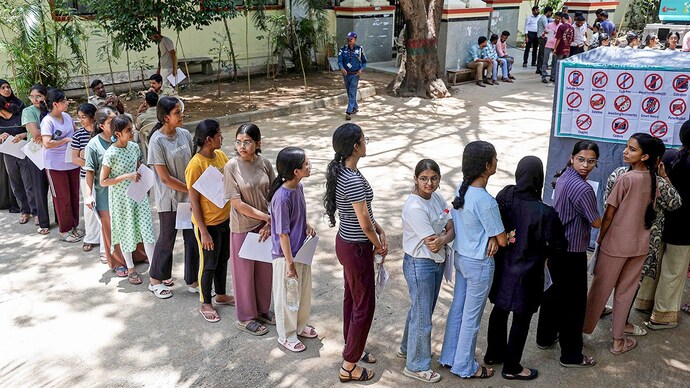
The National Eligibility cum Entrance Test-Undergraduate (NEET-UG) 2026, taken by more than 2.2 million aspirants on May 3, was scrapped after investigators confirmed that a handwritten question bank circulated before the exam—a few days to a few weeks ago, depending on claims—allegedly matched a substantial portion of questions in two subjects in the actual paper.
The National Testing Agency (NTA), the authority that organises NEET, announced the cancellation and said the new exam dates would be announced later, immediately sparking massive outrage among candidates and their families.
Significantly, the NTA said in a post on X that the Union government had decided “to refer the matter to the Central Bureau of Investigation (CBI) for a comprehensive inquiry into the allegations”. The NTA said it would extend full cooperation to the CBI in terms of materials, records and assistance.
The cancellation reflects adversely on central government and, if the leakage is confirmed to be from Rajasthan, on the state government too as both BJP dispensations have been accusing past Congress regimes of failing to prevent leaks and cheating in entrance and job recruitment examinations.
How did the lid blow off the leakage? It was a private individual in Sikar who lodged the first complaint about the questionnaire, popularly known as ‘guess paper’ or question bank, soon after the examination had been conducted. It is not clear from where the NEET questions leaked, but there are accusations that it could be Rajasthan or more precisely Jaipur.
There is no clue yet how the NEET paper was set. Was it from a question bank prepared by multiple paper setters, who were all in the know of the final question paper and who had prepared the guess paper. It is likely that the leaked questions were merged into a larger set of questions in the guess paper or question bank to hide the crime.
The NEET-UG paper has a total of 180 questions, each carrying four marks. Of these, all 90 questions in biology and 45 in chemistry had striking similarity with the guess paper, which had 409 questions in all. Some 40 questions in NEET were exactly the same as the guess paper—down to the comma and full stop.
Initial investigations claim Rakesh Mandawaria, who runs a consultancy in Sikar, allegedly got the guess paper a few days before the examination. A source said it was available for Rs 30 lakh a few weeks before the NEET exam. Another suspect, identified as Manish, is thought to have accessed the questions even before the question paper had been printed.
At the centre of it all is a trail stretching from Kerala to Rajasthan’s coaching hub Sikar as well as Jaipur, Dehradun and other places. Investigators found that an MBBS student from a medical college in Kerala allegedly sent the questionnaire to his father, who runs a PG accommodation in Sikar, and asked him to give it to residents of the facility. The PG owner said he could give it to only a handful of girl candidates, but on noticing the extraordinary similarity between the circulated questions and the actual exam, he approached the local police with information.
However, sources linked to the probe indicate that no immediate action was taken at the local level. The PG operator allegedly escalated the matter directly to Rajasthan’s director general of police. Only after that did teams of the Special Operations Group (SOG) reach Sikar, besides beginning extensive questioning and searches across Rajasthan and in Dehradun.
Yet, significantly, investigators had not registered an FIR till the time of cancellation of NEET-UG, arguing that the inquiry was preliminary and officials were still determining whether criminal cheating or a full-fledged paper leak had actually occurred. SOG officials maintained that it was for the NTA to determine if it was a leak, which the cancellation has confirmed now. Many suspects have been detained by the SOG.
The NTA initially defended the integrity of the examination, saying the test had been conducted under strict security, including GPS-tracked transportation of papers, biometric verification, AI-assisted CCTV surveillance and 5G signal jammers. The agency also claimed it had blocked dozens of Telegram channels spreading fake leak claims, but added that it was waiting for the findings of investigating agencies.
The cancellation is particularly damaging because it comes barely two years after the NEET controversy in 2024, when allegations of paper leaks and irregularities had triggered protests, court battles and a CBI probe.
If the 2026 leak originated in Rajasthan, it would be a blow to the state government and the police, which have gone hammer and tongs in paper leak cases. The NEET cancellation also dents the Union government. The BJP has been claiming to have streamlined national entrances under its rule. The BJP government in Rajasthan maintains no paper leaked ever since it came to power in December 2023.
For the hundreds of thousands of NEET-UG aspirants, the fallout is immediate and brutal. They face uncertainty, emotional fatigue and the prospect of another examination cycle. Coaching hubs such as Kota and Sikar, already grappling with intense mental health pressures among students, are once again under the lens.
The larger issue, however, goes beyond one examination. India’s competitive exam system is increasingly battling organised leak networks, encrypted digital circulation and commercial coaching ecosystems that thrive on high-stakes testing. In Rajasthan, no recruitment exam has perhaps been held in the past 10-15 years where large-scale cheating or leakage did not take place.
The NEET controversy has exposed how even heavily guarded national examinations can lose public credibility. The challenge before authorities is no longer limited to conducting a re-exam. It is now about restoring faith in a system that millions of students believe determines the course of their lives. Politically, the BJP, being in power, will have to bear the fallout.
Subscribe to India Today Magazine
The National Eligibility cum Entrance Test-Undergraduate (NEET-UG) 2026, taken by more than 2.2 million aspirants on May 3, was scrapped after investigators confirmed that a handwritten question bank circulated before the exam—a few days to a few weeks ago, depending on claims—allegedly matched a substantial portion of questions in two subjects in the actual paper.
The National Testing Agency (NTA), the authority that organises NEET, announced the cancellation and said the new exam dates would be announced later, immediately sparking massive outrage among candidates and their families.
Significantly, the NTA said in a post on X that the Union government had decided “to refer the matter to the Central Bureau of Investigation (CBI) for a comprehensive inquiry into the allegations”. The NTA said it would extend full cooperation to the CBI in terms of materials, records and assistance.
The cancellation reflects adversely on central government and, if the leakage is confirmed to be from Rajasthan, on the state government too as both BJP dispensations have been accusing past Congress regimes of failing to prevent leaks and cheating in entrance and job recruitment examinations.
How did the lid blow off the leakage? It was a private individual in Sikar who lodged the first complaint about the questionnaire, popularly known as ‘guess paper’ or question bank, soon after the examination had been conducted. It is not clear from where the NEET questions leaked, but there are accusations that it could be Rajasthan or more precisely Jaipur.
There is no clue yet how the NEET paper was set. Was it from a question bank prepared by multiple paper setters, who were all in the know of the final question paper and who had prepared the guess paper. It is likely that the leaked questions were merged into a larger set of questions in the guess paper or question bank to hide the crime.
The NEET-UG paper has a total of 180 questions, each carrying four marks. Of these, all 90 questions in biology and 45 in chemistry had striking similarity with the guess paper, which had 409 questions in all. Some 40 questions in NEET were exactly the same as the guess paper—down to the comma and full stop.
Initial investigations claim Rakesh Mandawaria, who runs a consultancy in Sikar, allegedly got the guess paper a few days before the examination. A source said it was available for Rs 30 lakh a few weeks before the NEET exam. Another suspect, identified as Manish, is thought to have accessed the questions even before the question paper had been printed.
At the centre of it all is a trail stretching from Kerala to Rajasthan’s coaching hub Sikar as well as Jaipur, Dehradun and other places. Investigators found that an MBBS student from a medical college in Kerala allegedly sent the questionnaire to his father, who runs a PG accommodation in Sikar, and asked him to give it to residents of the facility. The PG owner said he could give it to only a handful of girl candidates, but on noticing the extraordinary similarity between the circulated questions and the actual exam, he approached the local police with information.
However, sources linked to the probe indicate that no immediate action was taken at the local level. The PG operator allegedly escalated the matter directly to Rajasthan’s director general of police. Only after that did teams of the Special Operations Group (SOG) reach Sikar, besides beginning extensive questioning and searches across Rajasthan and in Dehradun.
Yet, significantly, investigators had not registered an FIR till the time of cancellation of NEET-UG, arguing that the inquiry was preliminary and officials were still determining whether criminal cheating or a full-fledged paper leak had actually occurred. SOG officials maintained that it was for the NTA to determine if it was a leak, which the cancellation has confirmed now. Many suspects have been detained by the SOG.
The NTA initially defended the integrity of the examination, saying the test had been conducted under strict security, including GPS-tracked transportation of papers, biometric verification, AI-assisted CCTV surveillance and 5G signal jammers. The agency also claimed it had blocked dozens of Telegram channels spreading fake leak claims, but added that it was waiting for the findings of investigating agencies.
The cancellation is particularly damaging because it comes barely two years after the NEET controversy in 2024, when allegations of paper leaks and irregularities had triggered protests, court battles and a CBI probe.
If the 2026 leak originated in Rajasthan, it would be a blow to the state government and the police, which have gone hammer and tongs in paper leak cases. The NEET cancellation also dents the Union government. The BJP has been claiming to have streamlined national entrances under its rule. The BJP government in Rajasthan maintains no paper leaked ever since it came to power in December 2023.
For the hundreds of thousands of NEET-UG aspirants, the fallout is immediate and brutal. They face uncertainty, emotional fatigue and the prospect of another examination cycle. Coaching hubs such as Kota and Sikar, already grappling with intense mental health pressures among students, are once again under the lens.
The larger issue, however, goes beyond one examination. India’s competitive exam system is increasingly battling organised leak networks, encrypted digital circulation and commercial coaching ecosystems that thrive on high-stakes testing. In Rajasthan, no recruitment exam has perhaps been held in the past 10-15 years where large-scale cheating or leakage did not take place.
The NEET controversy has exposed how even heavily guarded national examinations can lose public credibility. The challenge before authorities is no longer limited to conducting a re-exam. It is now about restoring faith in a system that millions of students believe determines the course of their lives. Politically, the BJP, being in power, will have to bear the fallout.
Subscribe to India Today Magazine

