People power: India's young talent meets Japan's ageing workforce
The India Today Indo-Japan Conclave discussed how India's skilling ecosystem must evolve to meet international standards and not just domestic job requirements
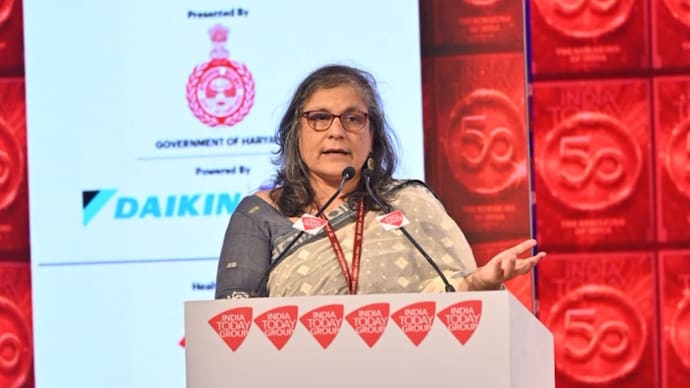
As Japan faces severe labour shortages across manufacturing, healthcare and caregiving, India is positioning itself as a trusted global talent partner. But this isn’t just about sending workers abroad. Mukherjee stressed that India’s skilling ecosystem must evolve to meet international standards and not only domestic job requirements. The focus is shifting towards global workforce readiness, industry-certified training and cultural preparedness.
Language emerged as a critical theme. Technical skills alone won’t cut it anymore. Japanese language proficiency, workplace etiquette and cross-cultural understanding are now seen as essential for long-term success. Mukherjee called for stronger collaboration between governments, training institutes and Japanese companies to build these capabilities.
Key takeaways
# Demographic match: India’s young talent pool and Japan’s shrinking workforce create a strategic opportunity for long-term collaboration.
# Global employability focus: Skilling is no longer just about domestic jobs; it’s about preparing youth for international markets.
# Language is non-negotiable: Japanese proficiency and cultural training are now as important as technical skills.
# Industry must lead: Governments can’t do this alone; deeper collaboration with Japanese corporations and training institutes is essential.
# People shape policy: Talent mobility is becoming central to India-Japan ties alongside trade and technology.
EXPERT-SPEAK
* “India’s demographic strength and Japan’s workforce needs are naturally aligned.”
* “Skill development today is not just about jobs, but global mobility.”
* “Language and cultural understanding are becoming as important as technical training.”
* “India can become a trusted global talent partner for Japan.”
* “The India-Japan partnership is increasingly being shaped by people-to-people connections.”
Subscribe to India Today Magazine
As Japan faces severe labour shortages across manufacturing, healthcare and caregiving, India is positioning itself as a trusted global talent partner. But this isn’t just about sending workers abroad. Mukherjee stressed that India’s skilling ecosystem must evolve to meet international standards and not only domestic job requirements. The focus is shifting towards global workforce readiness, industry-certified training and cultural preparedness.
Language emerged as a critical theme. Technical skills alone won’t cut it anymore. Japanese language proficiency, workplace etiquette and cross-cultural understanding are now seen as essential for long-term success. Mukherjee called for stronger collaboration between governments, training institutes and Japanese companies to build these capabilities.
Key takeaways
# Demographic match: India’s young talent pool and Japan’s shrinking workforce create a strategic opportunity for long-term collaboration.
# Global employability focus: Skilling is no longer just about domestic jobs; it’s about preparing youth for international markets.
# Language is non-negotiable: Japanese proficiency and cultural training are now as important as technical skills.
# Industry must lead: Governments can’t do this alone; deeper collaboration with Japanese corporations and training institutes is essential.
# People shape policy: Talent mobility is becoming central to India-Japan ties alongside trade and technology.
EXPERT-SPEAK
* “India’s demographic strength and Japan’s workforce needs are naturally aligned.”
* “Skill development today is not just about jobs, but global mobility.”
* “Language and cultural understanding are becoming as important as technical training.”
* “India can become a trusted global talent partner for Japan.”
* “The India-Japan partnership is increasingly being shaped by people-to-people connections.”
Subscribe to India Today Magazine

