Why Opposition derailed BJP's plan to advance delimitation and women's reservation
The Centre wanted 33 per cent women's quota fast-tracked to 2029 by advancing delimitation. The Opposition suspected the real prize was a gerrymander on outdated 2011 census data
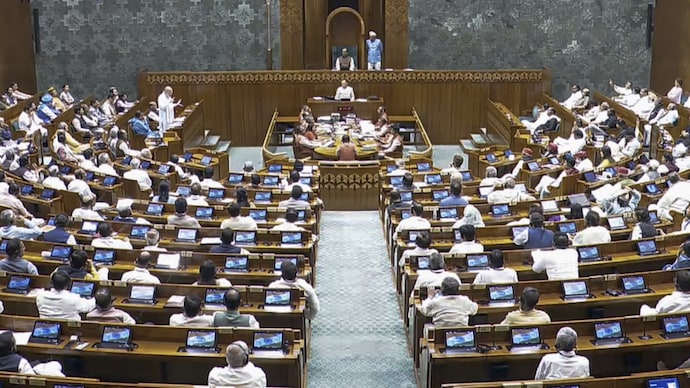
The short answer is reassuring, then deflating. Women will indeed get their 33 per cent, but not before 2034. What the Opposition blocked in Parliament on April 17 was the Narendra Modi government’s attempt to bring that date forward to 2029.
Consider the 2023 Act. Notified only this April, nearly three years after Parliament passed it, it reserves one-third of seats in the Lok Sabha and state assemblies for women, but not among the existing 543 parliamentary and 4,000-odd assembly seats. The quota kicks in only after the next delimitation exercise.
Delimitation, mandated by Articles 81, 82 and 170 of the Constitution, is the periodic redrawing of constituency boundaries to keep representation in step with population. The principle is tidy: one person, one vote, one value. An MP from Uttar Pradesh should speak for roughly as many citizens as one from Tamil Nadu. India has done this four times—in 1952, 1963, 1973 and 2002, with Lok Sabha seats climbing from 494 to 522 to 543 today.
Then came the freeze. In 1976, during the Indira Gandhi government’s Emergency, the 42nd Amendment to the Constitution halted seat reallocation. The reason was population control: states that reined in their birth rates should not be punished with fewer seats. Uttar Pradesh and Bihar bred rapidly; Tamil Nadu and Kerala did not. Southern states also contribute disproportionately to the national GDP. A census-driven redraw would shift power North, and the South cried foul. The freeze, pegged to the 1971 census, was meant to expire in 2001. In 2002, the 84th Amendment extended it to “the first census after 2026”.
That census, originally due in 2031, has been dragged forward. The Covid pandemic derailed the 2021 count; the government has since scheduled a census for 2026, with results expected next year. Delimitation, which normally takes two or three years, could begin in 2027. Finishing it before the 2029 general election is a stretch.
Since the 2023 Act ties women’s reservation to delimitation, those new women MPs were always destined for the 20th Lok Sabha, not the 19th. The Opposition duly noted at the time that a law taking a decade to come into effect looked suspiciously like a pre-election ornament.
To close the gap, the Modi government introduced three bills: the Constitution (131st Amendment) Bill, the Union Territories Laws (Amendment) Bill and the Delimitation Bill, all 2026. The first is the lynchpin. Billed in the media as a women’s reservation bill, it is nothing of the sort—that fight was settled in 2023. This one merely advances the timetable.
It does so by untethering delimitation from “the first census after 2026” and letting Parliament pick any census it pleases. The statement of objects and reasons is clear: use the most recent published count, which is the 2011 census. The bill also lifts the number of Lok Sabha seats from 543 to 850, a 57 per cent jump plucked from nowhere. No formula, no data, just a number.
That arithmetic alarmed southern leaders, who feared their share would shrink. Union home minister Amit Shah sought to calm them. Every state, he promised, would see its seats rise by exactly 50 per cent; the South would retain its 24 per cent share in Lok Sabha. When MPs pointed out that no such formula appeared in the bill, Shah sought an hour before voting to insert one.
A third of 850 is around 281. Reserve those for women and the 19th Lok Sabha would seat at least that many. Logical, overdue, hard to oppose in principle. Why, then, did the Opposition baulk?
The answer is distrust. Opposition parties suspect that the women’s reservation wrapper conceals a gerrymander. Delimitation redraws not just how many seats each state gets but where the lines run. Congress leader Rahul Gandhi points to Assam, where a 2023 redraw cut Muslim-majority seats from 35 to 22. State delimitations can be challenged in court; a national one cannot. That no Opposition party actually challenged the Assam exercise is an awkward footnote.
There is also the matter of caste. The 2026 census will be the first in nearly a century to count Other Backward Classes (OBCs), a category covering perhaps half the population. Once those numbers are public, demands for proportionate OBC reservation in Parliament would follow as will pressure to lift the Supreme Court’s 50 per cent cap on quotas in jobs and education. By delinking delimitation from the new census, the government sidesteps this for now. It cannot sidestep it forever.
To be fair to the Modi government, implementing reservation in the existing 543 seats is a practical nightmare. Which sitting MPs lose their seats? Prime Minister Modi’s? Leader of the Opposition in the Lok Sabha Rahul Gandhi’s? Delimitation sidesteps the question: reserve some of the new seats, rotate them periodically, spare everyone the awkwardness.
Still, the government’s haste is puzzling. A constitutional amendment needs a two-thirds majority. The BJP-led National Democratic Alliance (NDA) holds 293 Lok Sabha seats, 67 short of the 360 required in the current 540-member house (three seats are vacant). Calling a special session of Parliament on short notice, skipping an all-party committee, bringing a bill the government could not pass—this looks less like earnest lawmaking and more like political theatre. Say no, ran the calculation, and the Opposition would wear the blame for betraying India’s women. The BJP has duly gone to town on that line.
Both sides played politics. Had the government wanted the bill, it would have talked to the Opposition first. Had the Opposition wanted safeguards, it could have sought amendments rather than refuse outright. Delimitation will happen eventually, with or without this bill. Whether India’s politicians will stop campaigning long enough to design a fair one is another matter.
As for the other two bills: the Union Territories Laws (Amendment) Bill extends the main amendment to Puducherry, Delhi and Jammu and Kashmir while the Delimitation Bill replaces the 2002 Act and sets out the machinery of the Delimitation Commission that would do the redrawing.
For the women of India, one thing is certain: they will get their one-third share of Parliament seats. Probably after 2034.
Subscribe to India Today Magazine
The short answer is reassuring, then deflating. Women will indeed get their 33 per cent, but not before 2034. What the Opposition blocked in Parliament on April 17 was the Narendra Modi government’s attempt to bring that date forward to 2029.
Consider the 2023 Act. Notified only this April, nearly three years after Parliament passed it, it reserves one-third of seats in the Lok Sabha and state assemblies for women, but not among the existing 543 parliamentary and 4,000-odd assembly seats. The quota kicks in only after the next delimitation exercise.
Delimitation, mandated by Articles 81, 82 and 170 of the Constitution, is the periodic redrawing of constituency boundaries to keep representation in step with population. The principle is tidy: one person, one vote, one value. An MP from Uttar Pradesh should speak for roughly as many citizens as one from Tamil Nadu. India has done this four times—in 1952, 1963, 1973 and 2002, with Lok Sabha seats climbing from 494 to 522 to 543 today.
Then came the freeze. In 1976, during the Indira Gandhi government’s Emergency, the 42nd Amendment to the Constitution halted seat reallocation. The reason was population control: states that reined in their birth rates should not be punished with fewer seats. Uttar Pradesh and Bihar bred rapidly; Tamil Nadu and Kerala did not. Southern states also contribute disproportionately to the national GDP. A census-driven redraw would shift power North, and the South cried foul. The freeze, pegged to the 1971 census, was meant to expire in 2001. In 2002, the 84th Amendment extended it to “the first census after 2026”.
That census, originally due in 2031, has been dragged forward. The Covid pandemic derailed the 2021 count; the government has since scheduled a census for 2026, with results expected next year. Delimitation, which normally takes two or three years, could begin in 2027. Finishing it before the 2029 general election is a stretch.
Since the 2023 Act ties women’s reservation to delimitation, those new women MPs were always destined for the 20th Lok Sabha, not the 19th. The Opposition duly noted at the time that a law taking a decade to come into effect looked suspiciously like a pre-election ornament.
To close the gap, the Modi government introduced three bills: the Constitution (131st Amendment) Bill, the Union Territories Laws (Amendment) Bill and the Delimitation Bill, all 2026. The first is the lynchpin. Billed in the media as a women’s reservation bill, it is nothing of the sort—that fight was settled in 2023. This one merely advances the timetable.
It does so by untethering delimitation from “the first census after 2026” and letting Parliament pick any census it pleases. The statement of objects and reasons is clear: use the most recent published count, which is the 2011 census. The bill also lifts the number of Lok Sabha seats from 543 to 850, a 57 per cent jump plucked from nowhere. No formula, no data, just a number.
That arithmetic alarmed southern leaders, who feared their share would shrink. Union home minister Amit Shah sought to calm them. Every state, he promised, would see its seats rise by exactly 50 per cent; the South would retain its 24 per cent share in Lok Sabha. When MPs pointed out that no such formula appeared in the bill, Shah sought an hour before voting to insert one.
A third of 850 is around 281. Reserve those for women and the 19th Lok Sabha would seat at least that many. Logical, overdue, hard to oppose in principle. Why, then, did the Opposition baulk?
The answer is distrust. Opposition parties suspect that the women’s reservation wrapper conceals a gerrymander. Delimitation redraws not just how many seats each state gets but where the lines run. Congress leader Rahul Gandhi points to Assam, where a 2023 redraw cut Muslim-majority seats from 35 to 22. State delimitations can be challenged in court; a national one cannot. That no Opposition party actually challenged the Assam exercise is an awkward footnote.
There is also the matter of caste. The 2026 census will be the first in nearly a century to count Other Backward Classes (OBCs), a category covering perhaps half the population. Once those numbers are public, demands for proportionate OBC reservation in Parliament would follow as will pressure to lift the Supreme Court’s 50 per cent cap on quotas in jobs and education. By delinking delimitation from the new census, the government sidesteps this for now. It cannot sidestep it forever.
To be fair to the Modi government, implementing reservation in the existing 543 seats is a practical nightmare. Which sitting MPs lose their seats? Prime Minister Modi’s? Leader of the Opposition in the Lok Sabha Rahul Gandhi’s? Delimitation sidesteps the question: reserve some of the new seats, rotate them periodically, spare everyone the awkwardness.
Still, the government’s haste is puzzling. A constitutional amendment needs a two-thirds majority. The BJP-led National Democratic Alliance (NDA) holds 293 Lok Sabha seats, 67 short of the 360 required in the current 540-member house (three seats are vacant). Calling a special session of Parliament on short notice, skipping an all-party committee, bringing a bill the government could not pass—this looks less like earnest lawmaking and more like political theatre. Say no, ran the calculation, and the Opposition would wear the blame for betraying India’s women. The BJP has duly gone to town on that line.
Both sides played politics. Had the government wanted the bill, it would have talked to the Opposition first. Had the Opposition wanted safeguards, it could have sought amendments rather than refuse outright. Delimitation will happen eventually, with or without this bill. Whether India’s politicians will stop campaigning long enough to design a fair one is another matter.
As for the other two bills: the Union Territories Laws (Amendment) Bill extends the main amendment to Puducherry, Delhi and Jammu and Kashmir while the Delimitation Bill replaces the 2002 Act and sets out the machinery of the Delimitation Commission that would do the redrawing.
For the women of India, one thing is certain: they will get their one-third share of Parliament seats. Probably after 2034.
Subscribe to India Today Magazine

