Posture war: Mayawati resignation likely to be rejected on technical grounds and she knows it
Under the rules of Parliament, an MP's resignation must be limited to a single sentence and must not be conditional. BSP chief Mayawati who submitted her resignation as Rajya Sabha MP violated both those parameters.
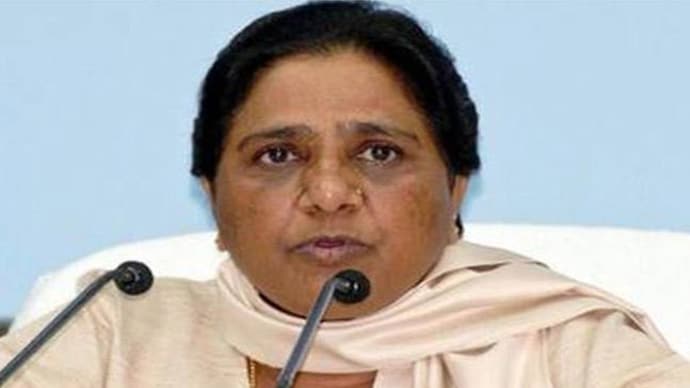
BSP supremo Mayawati was disappointed by the Chair in the Rajya Sabha on Tuesday because she was not allowed to speak. She stormed out of the house threatening to resign from the membership of the house. And Mayawati did resign at the end of the day.
Her party confirmed that and her supporters also distributed the copy of the resignation letter sent by Mayawati to the Chairman. However, there is a glitch. This resignation cannot be accepted as house rules allow no condition in resignations. Her resignation letter tells a story and in that there is a story. That she may just be posturing.
There is a rule for both the houses of the Parliament which says that resignation by the members has to be unconditional. It can't be an explanation or clarification. The resignation has to be simple and limited to one line which says that member wants to resign from the membership of the house.
The same happened in the case of Navjot Singh Siddhu, who became the member of Lok Sabha in 2004. Siddhu resigned from the house in 2006. However, the resignation was unaccepted due to the detailing in the draft. Siddhu's resignation was resignation cum explanation letter. Siddhu wanted to put his word of thoughts in the letter. This was declared unfit by the chair and the office refused to accept the resignation. Siddhu's resignation was accepted only after submission of a new resignation letter which just stated that he wants to discontinue as the member of the house and his resignation should be accepted.
BSP CHIEF's RESIGNATION NOT IN ITS APPROPRIATE FORM
The rule applies to Mayawati as well. Her three-page resignation is not in its appropriate form to be accepted by the chair. There is all possibility that the resignation letter submitted by Mayawati would be rejected by the office and she would be asked to re-draft and re-submit the resignation.
The most recent example is Captain Amarinder Singh's resignation from Lok Sabha in November 2016. He also wrote a long letter to the office as his resignation letter. However, it was accepted only after a new, one-line resignation was produced to the Speaker's office by him.
Though, the resignation is a big step by Mayawati and it's going to help her regain some strength on the ground and among her supporters, this political statement, on technical ground, this is a fail. A deliberate one, maybe. With BJP hijacking her dalit agenda in the last election and by making Ram Nath Kovind the President, the saffron party has further dented her dalit base. Possibly why she targeted BJP for being anti-dalit before resigning.
However, if she truly seeks to leave the House, she has to leave a one-liner at the Speaker's office, not a three-pager.
ALSO READ | Parliament Monsoon Session: PM Modi walks to Opposition benches, greets Sonia Gandhi
BSP supremo Mayawati was disappointed by the Chair in the Rajya Sabha on Tuesday because she was not allowed to speak. She stormed out of the house threatening to resign from the membership of the house. And Mayawati did resign at the end of the day.
Her party confirmed that and her supporters also distributed the copy of the resignation letter sent by Mayawati to the Chairman. However, there is a glitch. This resignation cannot be accepted as house rules allow no condition in resignations. Her resignation letter tells a story and in that there is a story. That she may just be posturing.
There is a rule for both the houses of the Parliament which says that resignation by the members has to be unconditional. It can't be an explanation or clarification. The resignation has to be simple and limited to one line which says that member wants to resign from the membership of the house.
The same happened in the case of Navjot Singh Siddhu, who became the member of Lok Sabha in 2004. Siddhu resigned from the house in 2006. However, the resignation was unaccepted due to the detailing in the draft. Siddhu's resignation was resignation cum explanation letter. Siddhu wanted to put his word of thoughts in the letter. This was declared unfit by the chair and the office refused to accept the resignation. Siddhu's resignation was accepted only after submission of a new resignation letter which just stated that he wants to discontinue as the member of the house and his resignation should be accepted.
BSP CHIEF's RESIGNATION NOT IN ITS APPROPRIATE FORM
The rule applies to Mayawati as well. Her three-page resignation is not in its appropriate form to be accepted by the chair. There is all possibility that the resignation letter submitted by Mayawati would be rejected by the office and she would be asked to re-draft and re-submit the resignation.
The most recent example is Captain Amarinder Singh's resignation from Lok Sabha in November 2016. He also wrote a long letter to the office as his resignation letter. However, it was accepted only after a new, one-line resignation was produced to the Speaker's office by him.
Though, the resignation is a big step by Mayawati and it's going to help her regain some strength on the ground and among her supporters, this political statement, on technical ground, this is a fail. A deliberate one, maybe. With BJP hijacking her dalit agenda in the last election and by making Ram Nath Kovind the President, the saffron party has further dented her dalit base. Possibly why she targeted BJP for being anti-dalit before resigning.
However, if she truly seeks to leave the House, she has to leave a one-liner at the Speaker's office, not a three-pager.
ALSO READ | Parliament Monsoon Session: PM Modi walks to Opposition benches, greets Sonia Gandhi

