Medical counsellor to beautician: Focus on Maharashtra ring at heart of NEET leak
The NEET-UG 2026 exam, held on May 3 for 22 lakh candidates, was cancelled over irregularities. Investigators are probing three Maharashtra-based accused, who were found to be at the centre of the scandal, for their alleged roles in the leak.
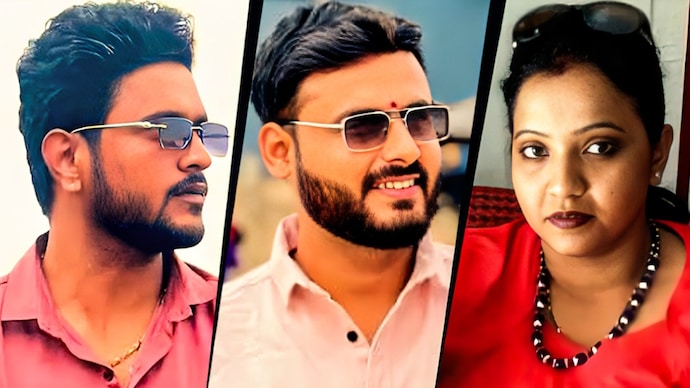
The NEET-UG 2026 question paper leak fiasco has exposed what investigators believe was an organised interstate racket involving medical admission consultants, a medical student, and individuals linked to doctors’ families. The CBI probe into the matter suggests the circulation of a so-called guess paper — portions of which reportedly matched the actual examination — was not an isolated breach but part of a wider commercial network built around medical admissions and coaching.
The exam, conducted by the National Testing Agency (NTA) on May 3 for around 22 lakh candidates, was cancelled after law enforcement flagged serious irregularities.
The investigation has now zeroed in on three Maharashtra-based accused — Shubham Khairnar, Dhananjay Lokhande and Manisha Waghmare — who are suspected to be instrumental in procuring, distributing and monetising the leaked material.
SHUBHAM KHAIRNAR
CBI investigators have identified Shubham Khairnar, a 30-year-old third-year Bachelor of Ayurvedic Medicine and Surgery (BAMS) student from Maharashra's Nashik, as a key conduit in the leak chain.
According to officials, Khairnar received the leaked guess paper from Ahilyanagar-based Dhananjay Lokhande and then passed it to Haryana-based Yash Yadav in Gurugram. From there, it reached Rajasthan’s Biwal family, who allegedly circulated it further among candidates and tutors for money.
Investigators say Khairnar was not actively pursuing medical training despite being enrolled in a BAMS course.
Instead, he allegedly operated a medical admissions consultancy under the name SR Education Consultancy in Nashik’s Canada Corner business district.
The firm reportedly promised admission to private medical colleges and had branch operations in Bhopal, Akola and Pune.
The consultancy’s links with NEET coaching centres are under scrutiny. Officials suspect it served as a front to connect aspiring students, counsellors and middlemen in a parallel admission-for-profit ecosystem.
Khairnar’s father is a practising doctor, adding to the concern that professional medical circles may have been used to build trust within the network.
DHANANJAY LOKHANDE
Dhananjay Lokhande, arrested from Ahilyanagar in Maharashtra, is being probed as the link from whom Khairnar obtained the leaked paper.
Investigators say call records show sustained communication between Lokhande and Khairnar before and after the May 3 examination.
Lokhande’s travel records have drawn particular attention. Sources say he made repeated trips to Madhya Pradesh and several other states in the months before the exam, raising questions about his links to the wider distribution chain.
After the scandal surfaced, he allegedly fled his Pune base and rushed to his native village before being intercepted while in transit by local crime branch officers at the request of the CBI.
Officials say Lokhande once aspired to pursue medicine and later became associated with medical admission counselling circles.
His brother is a practising doctor in Rahuri, and investigators believe those professional links may have helped him build access to a network that specialised in exam manipulation and seat brokerage.
MANISHA WAGHMARE
The third accused, Manisha Waghmare from Pune, is a beautician by profession but allegedly ran a parallel counselling and admissions consultancy for medical aspirants.
Waghmare, whose husband is a dentist, is the possible source of the leak who allegedly shared the guess paper with Lokhande, who then handed it over to Khairnar, according to the CBI submission at a Delhi court on Friday.
CBI sources say Waghmare and Lokhande exchanged numerous calls and messages around the period when the paper was allegedly transferred from Maharashtra to Haryana and onwards to Rajasthan.
Several deleted messages have been partially recovered, while her mobile phone has been sent for forensic analysis.
Her bank transactions are also being examined. Investigators found nearly Rs 20 lakh credited to her accounts from at least 21 separate accounts, many based outside Maharashtra.
The timing of those transactions — before and after the NEET exam — has intensified suspicions that the funds were linked to payments from candidates or intermediaries who purchased the leaked paper.
LARGER INTERSTATE SYNDICATE
The paper’s route now appears to stretch from Maharashtra to Haryana, then to Rajasthan, particularly Sikar, where investigators believe coaching operators played a major role in further circulation.
The handwritten guess paper reportedly matched around 140 questions from the final examination, enough to undermine the integrity of the test.
The CBI believes the three accused were not acting alone but were part of a sophisticated syndicate involving counsellors, coaching operators, students and professional contacts from medical families.
With devices seized and financial trails under examination, investigators are now looking at whether this network had operated in previous entrance exams as well.
As the probe deepens, the focus is shifting from a single leak to a shadow system that may have exploited India’s most competitive medical entrance examination for years.
The NEET-UG 2026 question paper leak fiasco has exposed what investigators believe was an organised interstate racket involving medical admission consultants, a medical student, and individuals linked to doctors’ families. The CBI probe into the matter suggests the circulation of a so-called guess paper — portions of which reportedly matched the actual examination — was not an isolated breach but part of a wider commercial network built around medical admissions and coaching.
The exam, conducted by the National Testing Agency (NTA) on May 3 for around 22 lakh candidates, was cancelled after law enforcement flagged serious irregularities.
The investigation has now zeroed in on three Maharashtra-based accused — Shubham Khairnar, Dhananjay Lokhande and Manisha Waghmare — who are suspected to be instrumental in procuring, distributing and monetising the leaked material.
SHUBHAM KHAIRNAR
CBI investigators have identified Shubham Khairnar, a 30-year-old third-year Bachelor of Ayurvedic Medicine and Surgery (BAMS) student from Maharashra's Nashik, as a key conduit in the leak chain.
According to officials, Khairnar received the leaked guess paper from Ahilyanagar-based Dhananjay Lokhande and then passed it to Haryana-based Yash Yadav in Gurugram. From there, it reached Rajasthan’s Biwal family, who allegedly circulated it further among candidates and tutors for money.
Investigators say Khairnar was not actively pursuing medical training despite being enrolled in a BAMS course.
Instead, he allegedly operated a medical admissions consultancy under the name SR Education Consultancy in Nashik’s Canada Corner business district.
The firm reportedly promised admission to private medical colleges and had branch operations in Bhopal, Akola and Pune.
The consultancy’s links with NEET coaching centres are under scrutiny. Officials suspect it served as a front to connect aspiring students, counsellors and middlemen in a parallel admission-for-profit ecosystem.
Khairnar’s father is a practising doctor, adding to the concern that professional medical circles may have been used to build trust within the network.
DHANANJAY LOKHANDE
Dhananjay Lokhande, arrested from Ahilyanagar in Maharashtra, is being probed as the link from whom Khairnar obtained the leaked paper.
Investigators say call records show sustained communication between Lokhande and Khairnar before and after the May 3 examination.
Lokhande’s travel records have drawn particular attention. Sources say he made repeated trips to Madhya Pradesh and several other states in the months before the exam, raising questions about his links to the wider distribution chain.
After the scandal surfaced, he allegedly fled his Pune base and rushed to his native village before being intercepted while in transit by local crime branch officers at the request of the CBI.
Officials say Lokhande once aspired to pursue medicine and later became associated with medical admission counselling circles.
His brother is a practising doctor in Rahuri, and investigators believe those professional links may have helped him build access to a network that specialised in exam manipulation and seat brokerage.
MANISHA WAGHMARE
The third accused, Manisha Waghmare from Pune, is a beautician by profession but allegedly ran a parallel counselling and admissions consultancy for medical aspirants.
Waghmare, whose husband is a dentist, is the possible source of the leak who allegedly shared the guess paper with Lokhande, who then handed it over to Khairnar, according to the CBI submission at a Delhi court on Friday.
CBI sources say Waghmare and Lokhande exchanged numerous calls and messages around the period when the paper was allegedly transferred from Maharashtra to Haryana and onwards to Rajasthan.
Several deleted messages have been partially recovered, while her mobile phone has been sent for forensic analysis.
Her bank transactions are also being examined. Investigators found nearly Rs 20 lakh credited to her accounts from at least 21 separate accounts, many based outside Maharashtra.
The timing of those transactions — before and after the NEET exam — has intensified suspicions that the funds were linked to payments from candidates or intermediaries who purchased the leaked paper.
LARGER INTERSTATE SYNDICATE
The paper’s route now appears to stretch from Maharashtra to Haryana, then to Rajasthan, particularly Sikar, where investigators believe coaching operators played a major role in further circulation.
The handwritten guess paper reportedly matched around 140 questions from the final examination, enough to undermine the integrity of the test.
The CBI believes the three accused were not acting alone but were part of a sophisticated syndicate involving counsellors, coaching operators, students and professional contacts from medical families.
With devices seized and financial trails under examination, investigators are now looking at whether this network had operated in previous entrance exams as well.
As the probe deepens, the focus is shifting from a single leak to a shadow system that may have exploited India’s most competitive medical entrance examination for years.

