Delhi AC blast sparks alarm: 5 safety tips to prevent air conditioner fires
A fire at former IAS officer Dhanendra Kumar's Hauz Khas home was reportedly caused by an AC blast. The incident has renewed concern over air conditioner safety, maintenance and electrical risks during peak summer.
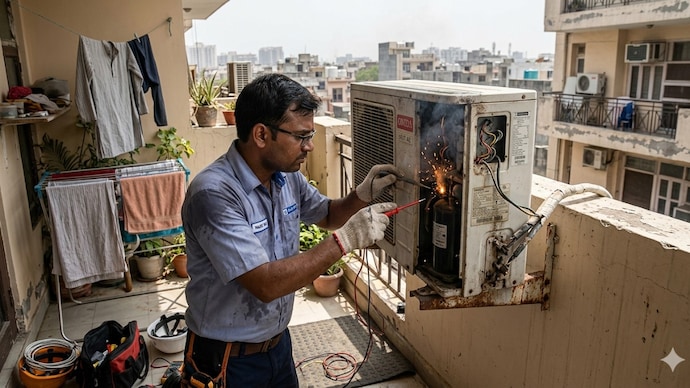
A recent fire incident in New Delhi reportedly caused by an AC blast has once again raised concerns about air conditioner safety during peak summer months. Former IAS officer Dhanendra Kumar lost his life after a fire broke out at his residence in Hauz Khas, according to police reports.
Experts say excessive AC usage, poor maintenance and electrical issues can increase the risk of overheating and short circuits. Here are five important safety tips that can help reduce the chances of AC-related fires at home.
Also read: First chief of competition panel dies after AC blast at Delhi home
1. DO NOT RUN THE AC CONTINUOUSLY FOR LONG HOURS
Using an AC continuously for several hours without breaks can overheat the compressor and internal components. Experts recommend giving the unit short breaks between long cooling cycles, especially during extreme heatwaves.
2. GET REGULAR AC SERVICING DONE
Dust buildup, clogged filters and poor maintenance can put extra pressure on the cooling system. Timely servicing helps detect gas leaks, damaged parts and airflow issues before they become dangerous.
3. CHECK WIRING AND AVOID LOOSE CONNECTIONS
Faulty wiring and loose electrical joints are among the biggest reasons behind AC short circuits. Always use high-quality wires and avoid temporary or damaged connections for heavy appliances like air conditioners.
4. USE A VOLTAGE STABILISER
Power fluctuations during summer can damage the compressor and increase the risk of sparks or electrical fires. Installing a reliable voltage stabiliser can help protect the AC from sudden voltage spikes.
5. AVOID CHEAP OR LOW-QUALITY REPAIR PARTS
Using low-quality spare parts or getting repairs done by untrained technicians can create serious safety risks. Experts advise using authorised service professionals and genuine replacement parts whenever possible.
6. WARNING SIGNS YOU SHOULD NEVER IGNORE
Burning smells, unusual noises, sparks near sockets and reduced cooling efficiency can indicate serious problems inside the AC unit. If you notice any of these signs, switch off the appliance immediately and contact a technician.
WHY AC SAFETY IS IMPORTANT DURING SUMMER
During peak summers, AC units often run for long durations, putting extra load on compressors and household wiring. Experts say simple precautions, regular maintenance and safe electrical setups can significantly reduce the risk of fires and overheating accidents
A recent fire incident in New Delhi reportedly caused by an AC blast has once again raised concerns about air conditioner safety during peak summer months. Former IAS officer Dhanendra Kumar lost his life after a fire broke out at his residence in Hauz Khas, according to police reports.
Experts say excessive AC usage, poor maintenance and electrical issues can increase the risk of overheating and short circuits. Here are five important safety tips that can help reduce the chances of AC-related fires at home.
Also read: First chief of competition panel dies after AC blast at Delhi home
1. DO NOT RUN THE AC CONTINUOUSLY FOR LONG HOURS
Using an AC continuously for several hours without breaks can overheat the compressor and internal components. Experts recommend giving the unit short breaks between long cooling cycles, especially during extreme heatwaves.
2. GET REGULAR AC SERVICING DONE
Dust buildup, clogged filters and poor maintenance can put extra pressure on the cooling system. Timely servicing helps detect gas leaks, damaged parts and airflow issues before they become dangerous.
3. CHECK WIRING AND AVOID LOOSE CONNECTIONS
Faulty wiring and loose electrical joints are among the biggest reasons behind AC short circuits. Always use high-quality wires and avoid temporary or damaged connections for heavy appliances like air conditioners.
4. USE A VOLTAGE STABILISER
Power fluctuations during summer can damage the compressor and increase the risk of sparks or electrical fires. Installing a reliable voltage stabiliser can help protect the AC from sudden voltage spikes.
5. AVOID CHEAP OR LOW-QUALITY REPAIR PARTS
Using low-quality spare parts or getting repairs done by untrained technicians can create serious safety risks. Experts advise using authorised service professionals and genuine replacement parts whenever possible.
6. WARNING SIGNS YOU SHOULD NEVER IGNORE
Burning smells, unusual noises, sparks near sockets and reduced cooling efficiency can indicate serious problems inside the AC unit. If you notice any of these signs, switch off the appliance immediately and contact a technician.
WHY AC SAFETY IS IMPORTANT DURING SUMMER
During peak summers, AC units often run for long durations, putting extra load on compressors and household wiring. Experts say simple precautions, regular maintenance and safe electrical setups can significantly reduce the risk of fires and overheating accidents

