New Amrit Bharat Express trains linking Banaras-Pune and Ayodhya-Mumbai. Details
Amrit Bharat Express trains launched by PM Modi connecting Banaras-Pune and Ayodhya-Mumbai. Check routes, features, timing and how these trains improve affordable long-distance travel in India.
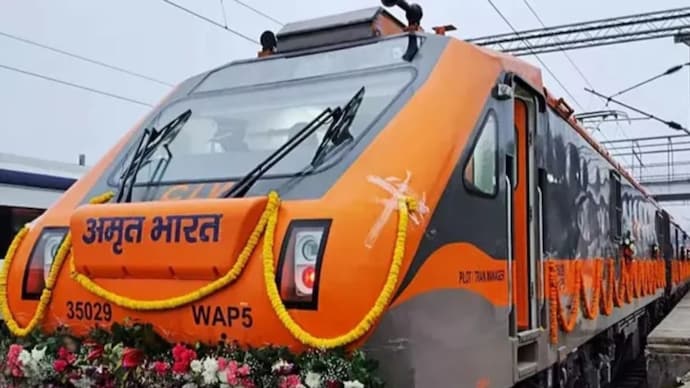
Prime Minister Narendra Modi has flagged off two new Amrit Bharat Express trains, boosting rail connectivity between Uttar Pradesh and Maharashtra. The newly launched services-Banaras to Pune and Ayodhya to Mumbai, are aimed at making long-distance travel easier and more affordable.
These trains are part of Indian Railways’ push to improve accessibility for common passengers.
With many searching for Amrit Bharat Express routes, features and ticket details, the launch comes at a time when demand for budget-friendly travel options is rising.
The trains are expected to benefit pilgrims, migrant workers and regular travellers by offering direct connections between key cities.
AMRIT BHARAT EXPRESS ROUTES AND LAUNCH DETAILS
The two new trains were flagged off on April 28, 2026. They will run on the following routes:
- Banaras (Varanasi) to Hadapsar (Pune)
- Ayodhya to Lokmanya Tilak Terminus (Mumbai)
These routes connect major religious hubs with key economic centres, improving travel between northern and western India.
The services are expected to run weekly and cater to passengers travelling across Uttar Pradesh, Madhya Pradesh and Maharashtra.
FOCUS ON AFFORDABLE AND ACCESSIBLE TRAVEL
Amrit Bharat Express trains are designed mainly for low- and middle-income travellers. They are fully non-AC and include General and Sleeper class coaches, making them a cost-effective option.
The trains aim to offer a balance of comfort and affordability, ensuring that more people can travel long distances without high costs.
KEY FEATURES OF AMRIT BHARAT EXPRESS
These trains come with several modern features to improve passenger safety and comfort:
- CCTV surveillance systems
- Emergency talk-back systems
- Fire safety mechanisms
- Sealed gangways
- Pantry facilities and Divyang-friendly coaches
They also use push-pull technology, which helps improve speed and efficiency by allowing operation from both ends.
WHY THESE ROUTES MATTER
The Banaras-Pune and Ayodhya-Mumbai routes are high-demand corridors. These trains will:
- Support religious tourism, especially to Ayodhya
- Help migrant workers travel more easily between states
- Improve access between smaller towns and major cities
For example, the Ayodhya-Mumbai route will pass through key stations like Sultanpur, Pratapgarh, Jabalpur and Nashik, making it useful for a wide range of travellers.
ALSO READ: Mumbai-Ahmedabad Vande Bharat gets permanent 20-coach upgrade
BOOST TO INDIA’S RAIL NETWORK
The launch is part of a broader plan to modernise Indian Railways and improve connectivity. With these additions, the number of Amrit Bharat Express services in the country continues to grow.
The move is expected to make travel smoother, especially for those who rely on affordable train options.
Prime Minister Narendra Modi has flagged off two new Amrit Bharat Express trains, boosting rail connectivity between Uttar Pradesh and Maharashtra. The newly launched services-Banaras to Pune and Ayodhya to Mumbai, are aimed at making long-distance travel easier and more affordable.
These trains are part of Indian Railways’ push to improve accessibility for common passengers.
With many searching for Amrit Bharat Express routes, features and ticket details, the launch comes at a time when demand for budget-friendly travel options is rising.
The trains are expected to benefit pilgrims, migrant workers and regular travellers by offering direct connections between key cities.
AMRIT BHARAT EXPRESS ROUTES AND LAUNCH DETAILS
The two new trains were flagged off on April 28, 2026. They will run on the following routes:
- Banaras (Varanasi) to Hadapsar (Pune)
- Ayodhya to Lokmanya Tilak Terminus (Mumbai)
These routes connect major religious hubs with key economic centres, improving travel between northern and western India.
The services are expected to run weekly and cater to passengers travelling across Uttar Pradesh, Madhya Pradesh and Maharashtra.
FOCUS ON AFFORDABLE AND ACCESSIBLE TRAVEL
Amrit Bharat Express trains are designed mainly for low- and middle-income travellers. They are fully non-AC and include General and Sleeper class coaches, making them a cost-effective option.
The trains aim to offer a balance of comfort and affordability, ensuring that more people can travel long distances without high costs.
KEY FEATURES OF AMRIT BHARAT EXPRESS
These trains come with several modern features to improve passenger safety and comfort:
- CCTV surveillance systems
- Emergency talk-back systems
- Fire safety mechanisms
- Sealed gangways
- Pantry facilities and Divyang-friendly coaches
They also use push-pull technology, which helps improve speed and efficiency by allowing operation from both ends.
WHY THESE ROUTES MATTER
The Banaras-Pune and Ayodhya-Mumbai routes are high-demand corridors. These trains will:
- Support religious tourism, especially to Ayodhya
- Help migrant workers travel more easily between states
- Improve access between smaller towns and major cities
For example, the Ayodhya-Mumbai route will pass through key stations like Sultanpur, Pratapgarh, Jabalpur and Nashik, making it useful for a wide range of travellers.
ALSO READ: Mumbai-Ahmedabad Vande Bharat gets permanent 20-coach upgrade
BOOST TO INDIA’S RAIL NETWORK
The launch is part of a broader plan to modernise Indian Railways and improve connectivity. With these additions, the number of Amrit Bharat Express services in the country continues to grow.
The move is expected to make travel smoother, especially for those who rely on affordable train options.

