7 best places in India to buy antiques and vintage collectables
From Mumbai's chaotic Chor Bazaar to Goa's old Portuguese homes, these antique markets across India offer more than vintage collectable, they carry stories, memory and fragments of history.
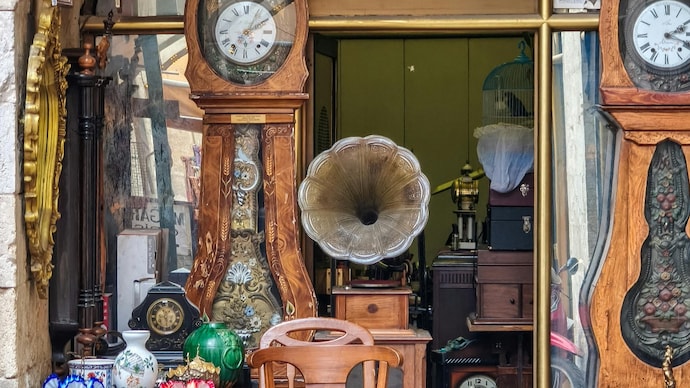
India’s antique markets are not always polished or neatly organised and that is exactly what makes them unforgettable. Behind dusty shelves, fading signboards and crowded lanes lie objects that carry traces of another era. An old brass lamp, a colonial clock, a carved wooden chest or a forgotten typewriter can sometimes tell a bigger story than a museum label.
Across India, a few cities still hold onto these hidden corners where antique hunting feels less like shopping and more like travelling through history. Here are seven places where vintage collectibles and old-world stories continue to survive.
1. CHOR BAZAAR, MUMBAI
Chor Bazaar is one of India’s most famous antique markets, though it feels more chaotic treasure hunt than organised shopping district. Narrow lanes overflow with vintage cameras, brass dcor, railway clocks, gramophones and old furniture collected from across the city.
Part of the charm lies in uncertainty. Shopkeepers may not always know the exact age of a piece, leaving buyers to judge through faded paint, worn handles and old wood polish. Hidden among crowded shelves, you may suddenly spot an Art Deco lamp or Burmese teak cabinet from another century.
2. JEW TOWN, KOCHI
Jew Town feels like a living archive of Kerala’s trading history. The area is lined with antique stores selling Indo-Portuguese furniture, bronze lamps, wooden chests and copper vessels linked to the city’s spice-trade past.
Walking through the lanes feels almost museum-like. Portuguese influence blends with Dutch architecture and South Indian craftsmanship, creating furniture and dcor styles unique to Kochi’s history.
3. PUDUCHERRY’S FRENCH QUARTER
French Quarter offers antique hunting inside old colonial-era bungalows with shuttered windows and faded yellow walls. Shops here often stock sepia photographs, old maps, brass kitchenware and French-style furniture once used in colonial homes.
The experience is less about collecting expensive objects and more about atmosphere, creaking staircases, old tiled floors and the smell of ageing wood that quietly carries memories of another era.
4. UDAIPUR’S OLD CITY
Udaipur is known for royal heritage, and its antique shops reflect that history through brass dcor, miniature paintings, carved wooden screens and vintage Rajasthani jewellery.
Many family-run stores share stories attached to their collections, pieces reportedly sourced from havelis, palace-style homes or old wedding trousseaus. The storytelling often becomes as valuable as the object itself.
INDIA’S MOST FASCINATING ANTIQUE MARKETS
Kolkata still preserves traces of its colonial past through old bookstores and antique dealers around Russell Street and Park Street. Vintage cameras, British-era maps, brass instruments and rare Bengali books continue to attract collectors.
The mood here feels nostalgic rather than commercial. Dusty cabinets and ageing photographs quietly preserve memories of old Calcutta.
6. OLD DELHI’S CHANDNI CHOWK
Chandni Chowk hides small antique shops between its busy food and wholesale markets. Inside these narrow spaces, buyers may find old brass utensils, silverware, trunks and household items once used in North Indian homes.
Many shops operate quietly through personal networks and negotiations over chai. The contrast between noisy streets outside and calm antique rooms inside makes the experience memorable.
7. GOA’S PORTUGUESE-STYLE VINTAGE CORNERS
Fontainhas and nearby Goan neighbourhoods are filled with old Portuguese-style homes where antique furniture, church dcor and vintage crockery still survive.
Many collectibles come from old family homes or former Portuguese-era buildings. Wooden chairs with European carvings sit beside Indian brass dcor, showing Goa’s unique cultural blend.
WHY THESE MARKETS STILL MATTER
India’s antique markets are rarely perfect. They are crowded, dusty and sometimes difficult to navigate. But that rawness is part of their appeal. These places preserve local memory through everyday objects, a brass lota, a faded photograph or an old wooden trunk that once belonged to another family.
For collectors and curious travellers alike, the real joy lies not just in buying antiques, but in discovering the stories quietly attached to them.
India’s antique markets are not always polished or neatly organised and that is exactly what makes them unforgettable. Behind dusty shelves, fading signboards and crowded lanes lie objects that carry traces of another era. An old brass lamp, a colonial clock, a carved wooden chest or a forgotten typewriter can sometimes tell a bigger story than a museum label.
Across India, a few cities still hold onto these hidden corners where antique hunting feels less like shopping and more like travelling through history. Here are seven places where vintage collectibles and old-world stories continue to survive.
1. CHOR BAZAAR, MUMBAI
Chor Bazaar is one of India’s most famous antique markets, though it feels more chaotic treasure hunt than organised shopping district. Narrow lanes overflow with vintage cameras, brass dcor, railway clocks, gramophones and old furniture collected from across the city.
Part of the charm lies in uncertainty. Shopkeepers may not always know the exact age of a piece, leaving buyers to judge through faded paint, worn handles and old wood polish. Hidden among crowded shelves, you may suddenly spot an Art Deco lamp or Burmese teak cabinet from another century.
2. JEW TOWN, KOCHI
Jew Town feels like a living archive of Kerala’s trading history. The area is lined with antique stores selling Indo-Portuguese furniture, bronze lamps, wooden chests and copper vessels linked to the city’s spice-trade past.
Walking through the lanes feels almost museum-like. Portuguese influence blends with Dutch architecture and South Indian craftsmanship, creating furniture and dcor styles unique to Kochi’s history.
3. PUDUCHERRY’S FRENCH QUARTER
French Quarter offers antique hunting inside old colonial-era bungalows with shuttered windows and faded yellow walls. Shops here often stock sepia photographs, old maps, brass kitchenware and French-style furniture once used in colonial homes.
The experience is less about collecting expensive objects and more about atmosphere, creaking staircases, old tiled floors and the smell of ageing wood that quietly carries memories of another era.
4. UDAIPUR’S OLD CITY
Udaipur is known for royal heritage, and its antique shops reflect that history through brass dcor, miniature paintings, carved wooden screens and vintage Rajasthani jewellery.
Many family-run stores share stories attached to their collections, pieces reportedly sourced from havelis, palace-style homes or old wedding trousseaus. The storytelling often becomes as valuable as the object itself.
INDIA’S MOST FASCINATING ANTIQUE MARKETS
Kolkata still preserves traces of its colonial past through old bookstores and antique dealers around Russell Street and Park Street. Vintage cameras, British-era maps, brass instruments and rare Bengali books continue to attract collectors.
The mood here feels nostalgic rather than commercial. Dusty cabinets and ageing photographs quietly preserve memories of old Calcutta.
6. OLD DELHI’S CHANDNI CHOWK
Chandni Chowk hides small antique shops between its busy food and wholesale markets. Inside these narrow spaces, buyers may find old brass utensils, silverware, trunks and household items once used in North Indian homes.
Many shops operate quietly through personal networks and negotiations over chai. The contrast between noisy streets outside and calm antique rooms inside makes the experience memorable.
7. GOA’S PORTUGUESE-STYLE VINTAGE CORNERS
Fontainhas and nearby Goan neighbourhoods are filled with old Portuguese-style homes where antique furniture, church dcor and vintage crockery still survive.
Many collectibles come from old family homes or former Portuguese-era buildings. Wooden chairs with European carvings sit beside Indian brass dcor, showing Goa’s unique cultural blend.
WHY THESE MARKETS STILL MATTER
India’s antique markets are rarely perfect. They are crowded, dusty and sometimes difficult to navigate. But that rawness is part of their appeal. These places preserve local memory through everyday objects, a brass lota, a faded photograph or an old wooden trunk that once belonged to another family.
For collectors and curious travellers alike, the real joy lies not just in buying antiques, but in discovering the stories quietly attached to them.

