Ayushman Card explained: What is covered and what you must pay for?
Ayushman Card rules, Ayushman Bharat Scheme, Rs 5 lakh free treatment, diseases not covered, OPD charges, hidden medical expenses and hospitalisation rules explained in simple terms.
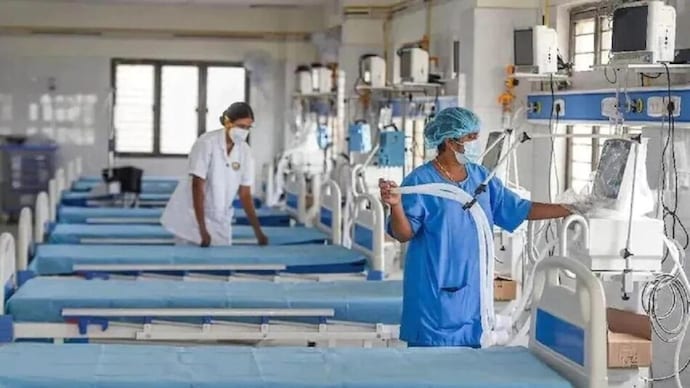
Many people believe that having an Ayushman Card means every medical expense becomes free. But the Ayushman Bharat Scheme comes with several conditions and exclusions that patients must know before visiting a hospital. The government’s flagship health scheme offers up to Rs 5 lakh free treatment every year to eligible families, mainly for hospitalisation and serious illnesses.
However, OPD consultations, common illnesses, routine tests and several daily medical expenses are not included.
Experts say misunderstanding these rules often leads to unexpected medical bills even after having an Ayushman Card.
WHAT IS COVERED UNDER THE AYUSHMAN SCHEME
Under Ayushman Bharat Pradhan Mantri Jan Arogya Yojana (PMJAY), eligible families can receive cashless treatment of up to Rs 5 lakh every year at empanelled hospitals across India.
The scheme covers hospitalisation expenses, secondary and tertiary care, and treatment for serious medical conditions. The annual limit applies to the entire family and renews automatically every year.
Pre-hospitalisation expenses for up to three days and post-hospitalisation costs for up to 15 days are also included in many cases.
OPD AND ROUTINE TREATMENT NOT INCLUDED
One of the biggest limitations of the Ayushman Scheme is that it only works for hospitalisation.
Expenses related to common fever, cough, headache or mild illness are not covered if hospital admission is not required. Doctor consultation fees, clinic visits and regular checkups must usually be paid by the patient.
Private OPD consultations are also excluded from the scheme.
THESE TREATMENTS ARE NOT COVERED
Several procedures and treatments are outside the Ayushman Bharat coverage list.
These include cosmetic or plastic surgery done for beauty purposes, IVF or test tube baby procedures, routine dental cleaning and regular dental treatment unless linked to accidents or serious medical conditions.
Common bone-related treatments that do not involve major illness or surgery may also remain uncovered.
DAILY MEDICINES AND TESTS MAY COST EXTRA
Patients should also know that vitamins, calcium supplements, tonics and many daily medicines are not part of the scheme.
Similarly, diagnostic tests done without hospitalisation are usually not covered. However, if tests are prescribed before admission and the patient is later hospitalised in the same hospital, those expenses may sometimes be included.
Health experts say many families wrongly assume every medicine and test will be free after getting the Ayushman Card.
ALSO READ: Ayushman Bharat card rollout in Bengal in July, 7 years after TMC withdrew scheme
IMPORTANT WARNING FOR PATIENTS
Even with an Ayushman Card, patients may still have to spend thousands of rupees on medicines, OPD consultations and non-covered procedures.
Treatment is available only at empanelled hospitals under the scheme. Patients are advised to carefully check hospital eligibility and understand coverage rules before starting treatment.
The government’s main focus under the scheme is serious and life-saving treatment rather than routine healthcare needs.
Many people believe that having an Ayushman Card means every medical expense becomes free. But the Ayushman Bharat Scheme comes with several conditions and exclusions that patients must know before visiting a hospital. The government’s flagship health scheme offers up to Rs 5 lakh free treatment every year to eligible families, mainly for hospitalisation and serious illnesses.
However, OPD consultations, common illnesses, routine tests and several daily medical expenses are not included.
Experts say misunderstanding these rules often leads to unexpected medical bills even after having an Ayushman Card.
WHAT IS COVERED UNDER THE AYUSHMAN SCHEME
Under Ayushman Bharat Pradhan Mantri Jan Arogya Yojana (PMJAY), eligible families can receive cashless treatment of up to Rs 5 lakh every year at empanelled hospitals across India.
The scheme covers hospitalisation expenses, secondary and tertiary care, and treatment for serious medical conditions. The annual limit applies to the entire family and renews automatically every year.
Pre-hospitalisation expenses for up to three days and post-hospitalisation costs for up to 15 days are also included in many cases.
OPD AND ROUTINE TREATMENT NOT INCLUDED
One of the biggest limitations of the Ayushman Scheme is that it only works for hospitalisation.
Expenses related to common fever, cough, headache or mild illness are not covered if hospital admission is not required. Doctor consultation fees, clinic visits and regular checkups must usually be paid by the patient.
Private OPD consultations are also excluded from the scheme.
THESE TREATMENTS ARE NOT COVERED
Several procedures and treatments are outside the Ayushman Bharat coverage list.
These include cosmetic or plastic surgery done for beauty purposes, IVF or test tube baby procedures, routine dental cleaning and regular dental treatment unless linked to accidents or serious medical conditions.
Common bone-related treatments that do not involve major illness or surgery may also remain uncovered.
DAILY MEDICINES AND TESTS MAY COST EXTRA
Patients should also know that vitamins, calcium supplements, tonics and many daily medicines are not part of the scheme.
Similarly, diagnostic tests done without hospitalisation are usually not covered. However, if tests are prescribed before admission and the patient is later hospitalised in the same hospital, those expenses may sometimes be included.
Health experts say many families wrongly assume every medicine and test will be free after getting the Ayushman Card.
ALSO READ: Ayushman Bharat card rollout in Bengal in July, 7 years after TMC withdrew scheme
IMPORTANT WARNING FOR PATIENTS
Even with an Ayushman Card, patients may still have to spend thousands of rupees on medicines, OPD consultations and non-covered procedures.
Treatment is available only at empanelled hospitals under the scheme. Patients are advised to carefully check hospital eligibility and understand coverage rules before starting treatment.
The government’s main focus under the scheme is serious and life-saving treatment rather than routine healthcare needs.

