Delhi-Dehradun Expressway Inauguration 2026: Route, toll charges, travel details
Delhi Dehradun Expressway is expected to cut travel time to around 2 to 2.5 hours, with a reported route via Akshardham and a proposed toll system yet to be finalised.
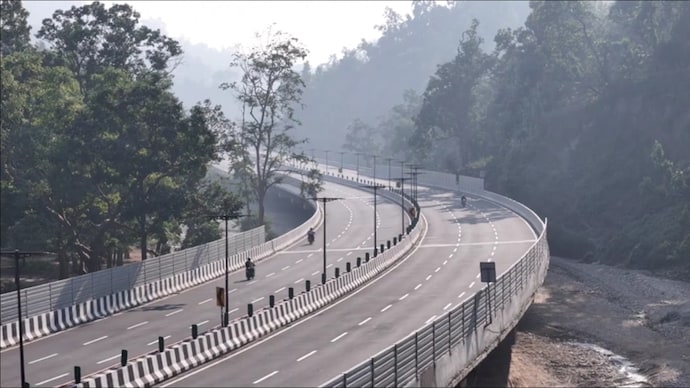
The Delhi Dehradun Expressway is expected to make road travel faster and more organised, cutting the journey time between the two cities to around 2 to 2.5 hours. Along with speed, travellers are also keen to know the route map, toll charges and how the drive will actually work.
The corridor is commonly described as the Delhi–Saharanpur–Dehradun expressway, offering a smoother alternative to existing highways.
With access-controlled lanes, proposed toll rates and improved infrastructure, this route is expected to make both regular trips and weekend drives far more convenient.
ROUTE MAP: HOW THE EXPRESSWAY CONNECTS
The Delhi Dehradun Expressway is generally described as the Delhi–Saharanpur–Dehradun corridor.
As per current reporting, the corridor is expected to begin near the Akshardham area in Delhi, connect to the Eastern Peripheral Expressway (EPE) near Khekra, and then continue through parts of Uttar Pradesh toward Saharanpur before reaching Dehradun.
This should be seen as a reported alignment based on available information, rather than a final, officially notified route map.
TRAVEL TIME: WHAT TO EXPECT
The biggest advantage is the reduced travel time. The expressway is expected to bring the journey down to around 2 to 2.5 hours.
Earlier, the same trip could take about 6 to 6.5 hours depending on traffic and road conditions. With controlled access and better road design, the drive is likely to become faster and more predictable.
TOLL CHARGES: WHAT WE KNOW
Toll charges on the Delhi Dehradun Expressway are expected to apply once the highway is fully operational.
Reports suggest a proposed estimate of around Rs 670 for a full car journey between Delhi and Dehradun. However, this is not an officially notified rate yet.
Final toll charges are awaited and should be confirmed through National Highways Authority of India (NHAI) updates.
FEATURES THAT CHANGE THE DRIVE
The expressway is being built with features aimed at smoother and safer travel:
- Access-controlled entry and exit points
- Interchanges and underpasses
- Service roads for local traffic
- FASTag-based toll collection
ALSO READ: Delhi-Dehradun Expressway LIVE
These are expected to reduce congestion and improve overall driving conditions.
WILDLIFE CORRIDOR AND DESIGN
A key part of the project is its elevated wildlife corridor in forest areas, allowing animals to pass safely without coming onto the road.
The expressway also includes measures like tree plantation and water management systems to reduce environmental impact.
For travellers, the Delhi Dehradun Expressway changes how road trips are planned. A long drive is expected to become a shorter and more manageable journey.
Whether it’s a weekend getaway or a regular commute, this route is likely to make travel quicker and more comfortable.
The Delhi Dehradun Expressway is expected to make road travel faster and more organised, cutting the journey time between the two cities to around 2 to 2.5 hours. Along with speed, travellers are also keen to know the route map, toll charges and how the drive will actually work.
The corridor is commonly described as the Delhi–Saharanpur–Dehradun expressway, offering a smoother alternative to existing highways.
With access-controlled lanes, proposed toll rates and improved infrastructure, this route is expected to make both regular trips and weekend drives far more convenient.
ROUTE MAP: HOW THE EXPRESSWAY CONNECTS
The Delhi Dehradun Expressway is generally described as the Delhi–Saharanpur–Dehradun corridor.
As per current reporting, the corridor is expected to begin near the Akshardham area in Delhi, connect to the Eastern Peripheral Expressway (EPE) near Khekra, and then continue through parts of Uttar Pradesh toward Saharanpur before reaching Dehradun.
This should be seen as a reported alignment based on available information, rather than a final, officially notified route map.
TRAVEL TIME: WHAT TO EXPECT
The biggest advantage is the reduced travel time. The expressway is expected to bring the journey down to around 2 to 2.5 hours.
Earlier, the same trip could take about 6 to 6.5 hours depending on traffic and road conditions. With controlled access and better road design, the drive is likely to become faster and more predictable.
TOLL CHARGES: WHAT WE KNOW
Toll charges on the Delhi Dehradun Expressway are expected to apply once the highway is fully operational.
Reports suggest a proposed estimate of around Rs 670 for a full car journey between Delhi and Dehradun. However, this is not an officially notified rate yet.
Final toll charges are awaited and should be confirmed through National Highways Authority of India (NHAI) updates.
FEATURES THAT CHANGE THE DRIVE
The expressway is being built with features aimed at smoother and safer travel:
- Access-controlled entry and exit points
- Interchanges and underpasses
- Service roads for local traffic
- FASTag-based toll collection
ALSO READ: Delhi-Dehradun Expressway LIVE
These are expected to reduce congestion and improve overall driving conditions.
WILDLIFE CORRIDOR AND DESIGN
A key part of the project is its elevated wildlife corridor in forest areas, allowing animals to pass safely without coming onto the road.
The expressway also includes measures like tree plantation and water management systems to reduce environmental impact.
For travellers, the Delhi Dehradun Expressway changes how road trips are planned. A long drive is expected to become a shorter and more manageable journey.
Whether it’s a weekend getaway or a regular commute, this route is likely to make travel quicker and more comfortable.

