Why pigeons won't leave your balcony and simple tricks that work
The balcony pigeon problem is common in urban homes, but understanding why pigeons stay and using a simple trick like blocking access can help keep your space clean and bird-free.
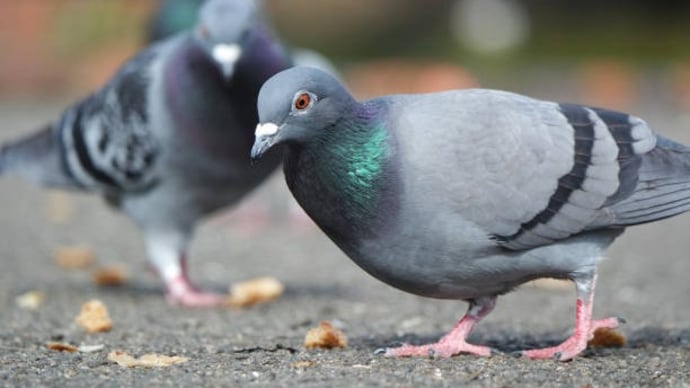
Dealing with pigeons that just won’t leave your balcony? You’re not alone. Across cities like Delhi NCR, the balcony pigeon problem has become a daily frustration for many residents. What starts as a harmless visit often turns into nesting, droppings, and constant noise. The tricky part is that once pigeons get comfortable, they keep coming back.
The good news? There’s usually a clear reason why they stay and a simple trick that can help you stop the cycle without harming the birds.
WHY PIGEONS KEEP COMING BACK
1. SAFE SHELTER
Balconies offer protection from predators, rain, and heat. Corners, ledges, and AC units create perfect nesting spots.
2. EASY FOOD ACCESS
If there’s food nearby, either from open waste, feeding, or even crumbs, pigeons will stick around.
3. HABIT AND MEMORY
Pigeons tend to return to places they feel safe. Once they’ve nested or rested in your balcony, they’re likely to revisit regularly.
THE SIMPLE TRICK THAT WORKS
BLOCK THEIR ENTRY POINTS
The most effective way to solve the balcony pigeon problem is simple, don’t let them enter in the first place.
Installing a mesh or net across open balcony spaces prevents pigeons from landing or nesting. It doesn’t harm them, but it removes the one thing they need most: access.
OTHER EASY WAYS TO KEEP THEM AWAY
- Remove any nesting material immediately
- Avoid leaving food or water outside
- Clean droppings regularly to remove scent markers
- Use spikes on ledges to stop perching
WHY THIS APPROACH WORKS
Pigeons rely on routine. Once access is blocked and the space becomes less comfortable, they gradually stop returning. It’s not instant, but it’s effective over time.
ALSO READ: Living in Delhi NCR? Here's how residents are solving balcony pigeon problems
A COMMON URBAN ISSUE
With more apartment living and fewer natural spaces, pigeons are adapting to city life. The balcony pigeon problem is now a shared experience for many urban households.
Dealing with pigeons that just won’t leave your balcony? You’re not alone. Across cities like Delhi NCR, the balcony pigeon problem has become a daily frustration for many residents. What starts as a harmless visit often turns into nesting, droppings, and constant noise. The tricky part is that once pigeons get comfortable, they keep coming back.
The good news? There’s usually a clear reason why they stay and a simple trick that can help you stop the cycle without harming the birds.
WHY PIGEONS KEEP COMING BACK
1. SAFE SHELTER
Balconies offer protection from predators, rain, and heat. Corners, ledges, and AC units create perfect nesting spots.
2. EASY FOOD ACCESS
If there’s food nearby, either from open waste, feeding, or even crumbs, pigeons will stick around.
3. HABIT AND MEMORY
Pigeons tend to return to places they feel safe. Once they’ve nested or rested in your balcony, they’re likely to revisit regularly.
THE SIMPLE TRICK THAT WORKS
BLOCK THEIR ENTRY POINTS
The most effective way to solve the balcony pigeon problem is simple, don’t let them enter in the first place.
Installing a mesh or net across open balcony spaces prevents pigeons from landing or nesting. It doesn’t harm them, but it removes the one thing they need most: access.
OTHER EASY WAYS TO KEEP THEM AWAY
- Remove any nesting material immediately
- Avoid leaving food or water outside
- Clean droppings regularly to remove scent markers
- Use spikes on ledges to stop perching
WHY THIS APPROACH WORKS
Pigeons rely on routine. Once access is blocked and the space becomes less comfortable, they gradually stop returning. It’s not instant, but it’s effective over time.
ALSO READ: Living in Delhi NCR? Here's how residents are solving balcony pigeon problems
A COMMON URBAN ISSUE
With more apartment living and fewer natural spaces, pigeons are adapting to city life. The balcony pigeon problem is now a shared experience for many urban households.

