Sweet, juicy, and ripe: How to select the best mangoes
A simple guide explains how shoppers can pick ripe, flavourful mangoes at the grocery store. It shows that texture, aroma, weight and variety matter more than colour alone.
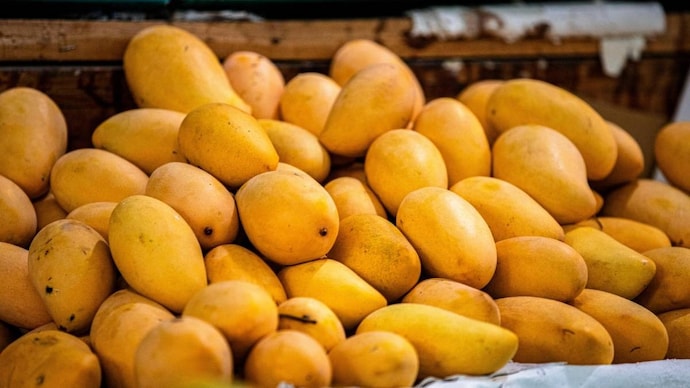
Few fruits are as eagerly awaited during summer as mangoes. Whether enjoyed fresh, blended into smoothies or used in desserts, a good mango can elevate any meal. However, choosing the perfect mango at the grocery store is not always easy. With different varieties, colours and levels of ripeness available, shoppers often wonder how to identify the best fruit.
Here are some simple tips to help you pick the sweetest and most flavourful mangoes.
Also read: Imported fruits vs local seasonal fruits: Which is the smarter choice?
DON'T JUDGE BY COLOUR ALONE
One of the most common mistakes shoppers make is selecting mangoes based solely on colour. While some varieties turn yellow, orange or red when ripe, others may remain green even when ready to eat.
Instead of relying entirely on appearance, consider other indicators such as texture, aroma and firmness.
GENTLY SQUEEZE THE FRUIT
A ripe mango should yield slightly when gently pressed, similar to a ripe avocado or peach. If the fruit feels rock-hard, it may need more time to ripen. On the other hand, mangoes that feel excessively soft or mushy may be overripe.
The ideal mango should feel firm yet slightly tender.
CHECK FOR A SWEET AROMA
The stem end of the mango can reveal a lot about its ripeness. A ripe mango typically gives off a sweet, fruity fragrance near the stem.
If there is little to no smell, the fruit may not be ripe yet. A sour or fermented odour may indicate that it is past its prime.
LOOK FOR SMOOTH, HEALTHY SKIN
Minor blemishes are normal, but avoid mangoes with large bruises, cuts, wrinkles or dark sunken spots. Healthy skin generally indicates better quality fruit.
Small black specks are not always a sign of spoilage and may simply indicate natural ripening.
CONSIDER THE WEIGHT
A good mango should feel heavy for its size. This often suggests that the fruit is juicy and has retained its moisture.
Comparing two mangoes of similar size can help you identify the juicier option.
KNOW YOUR MANGO VARIETIES
Different mango varieties offer different flavours and textures. Alphonso mangoes are known for their rich sweetness, while Kesar mangoes have a distinctive aroma. Banganapalli mangoes are popular for their smooth texture, and Dasheri mangoes are prized for their juicy flesh.
Understanding the characteristics of each variety can help shoppers choose according to their preferences.
AVOID ARTIFICIALLY DAMAGED FRUIT
Steer clear of mangoes that show signs of excessive bruising, leakage or physical damage. Such fruits may spoil quickly and have a shorter shelf life.
Always inspect the fruit carefully before purchasing.
LET UNRIPE MANGOES RIPEN AT HOME
If the mangoes are not fully ripe, they can be kept at room temperature for a few days. Placing them in a paper bag can speed up the ripening process naturally.
Once ripe, mangoes can be stored in the refrigerator to extend their freshness.
ENJOY THE BEST OF MANGO SEASON
Choosing a good mango is a combination of observing its texture, aroma, weight and overall condition. By paying attention to these factors, shoppers can increase their chances of bringing home sweet, juicy and flavourful fruit.
With mango season in full swing, a little care while grocery shopping can help ensure every bite is worth the wait.
Few fruits are as eagerly awaited during summer as mangoes. Whether enjoyed fresh, blended into smoothies or used in desserts, a good mango can elevate any meal. However, choosing the perfect mango at the grocery store is not always easy. With different varieties, colours and levels of ripeness available, shoppers often wonder how to identify the best fruit.
Here are some simple tips to help you pick the sweetest and most flavourful mangoes.
Also read: Imported fruits vs local seasonal fruits: Which is the smarter choice?
DON'T JUDGE BY COLOUR ALONE
One of the most common mistakes shoppers make is selecting mangoes based solely on colour. While some varieties turn yellow, orange or red when ripe, others may remain green even when ready to eat.
Instead of relying entirely on appearance, consider other indicators such as texture, aroma and firmness.
GENTLY SQUEEZE THE FRUIT
A ripe mango should yield slightly when gently pressed, similar to a ripe avocado or peach. If the fruit feels rock-hard, it may need more time to ripen. On the other hand, mangoes that feel excessively soft or mushy may be overripe.
The ideal mango should feel firm yet slightly tender.
CHECK FOR A SWEET AROMA
The stem end of the mango can reveal a lot about its ripeness. A ripe mango typically gives off a sweet, fruity fragrance near the stem.
If there is little to no smell, the fruit may not be ripe yet. A sour or fermented odour may indicate that it is past its prime.
LOOK FOR SMOOTH, HEALTHY SKIN
Minor blemishes are normal, but avoid mangoes with large bruises, cuts, wrinkles or dark sunken spots. Healthy skin generally indicates better quality fruit.
Small black specks are not always a sign of spoilage and may simply indicate natural ripening.
CONSIDER THE WEIGHT
A good mango should feel heavy for its size. This often suggests that the fruit is juicy and has retained its moisture.
Comparing two mangoes of similar size can help you identify the juicier option.
KNOW YOUR MANGO VARIETIES
Different mango varieties offer different flavours and textures. Alphonso mangoes are known for their rich sweetness, while Kesar mangoes have a distinctive aroma. Banganapalli mangoes are popular for their smooth texture, and Dasheri mangoes are prized for their juicy flesh.
Understanding the characteristics of each variety can help shoppers choose according to their preferences.
AVOID ARTIFICIALLY DAMAGED FRUIT
Steer clear of mangoes that show signs of excessive bruising, leakage or physical damage. Such fruits may spoil quickly and have a shorter shelf life.
Always inspect the fruit carefully before purchasing.
LET UNRIPE MANGOES RIPEN AT HOME
If the mangoes are not fully ripe, they can be kept at room temperature for a few days. Placing them in a paper bag can speed up the ripening process naturally.
Once ripe, mangoes can be stored in the refrigerator to extend their freshness.
ENJOY THE BEST OF MANGO SEASON
Choosing a good mango is a combination of observing its texture, aroma, weight and overall condition. By paying attention to these factors, shoppers can increase their chances of bringing home sweet, juicy and flavourful fruit.
With mango season in full swing, a little care while grocery shopping can help ensure every bite is worth the wait.

