Puthandu 2026: History, rituals and significance of Tamil new year
From kolams at dawn to the sweet-sour bite of Manga Pachadi, Puthandu is more than a festival it is a reflection of life itself. Every ritual, every tradition, and every celebration reminds us that new beginnings always carry hope, balance, and renewal.
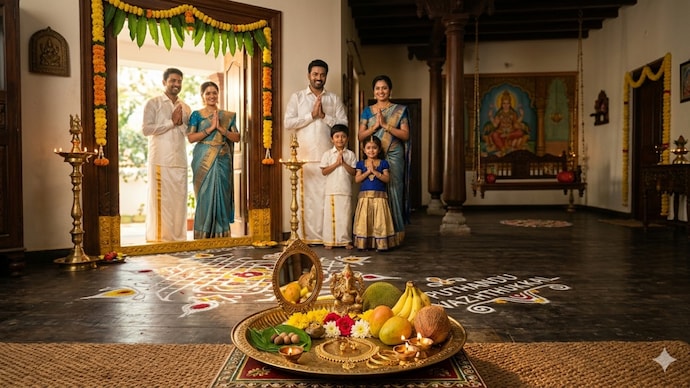
Puthandu is the traditional Tamil New Year celebrated every year, usually on April 14. It marks new beginnings, prosperity, and the start of the Tamil calendar year.
Puthandu has deep roots in Tamil heritage and ancient traditions. It is associated with the solar transition into the zodiac sign Aries (Mesha Sankranti). The day symbolises renewal, balance, and the cycle of life and is closely linked to Tamil literature and agrarian culture.
TRADITIONS AND RITUALS
On this day, homes are cleaned and decorated with colourful kolam (rangoli). People wake up early to view “Kanni,” an arrangement of auspicious items like fruits, flowers, gold, and mirrors, believed to bring good luck for the year ahead. Devotees also visit temples to seek blessings.
A special dish called “Manga Pachadi” is prepared, combining sweet, sour, bitter, and spicy flavours. It represents the different emotions and experiences of life, teaching acceptance of both joy and challenges.
HOW PEOPLE CELEBRATE TODAY
Families wear new clothes, exchange greetings, prepare festive meals, and spend time together. In many Tamil households across India and the world, it remains a day of unity and cultural pride.
Puthandu is the traditional Tamil New Year celebrated every year, usually on April 14. It marks new beginnings, prosperity, and the start of the Tamil calendar year.
Puthandu has deep roots in Tamil heritage and ancient traditions. It is associated with the solar transition into the zodiac sign Aries (Mesha Sankranti). The day symbolises renewal, balance, and the cycle of life and is closely linked to Tamil literature and agrarian culture.
TRADITIONS AND RITUALS
On this day, homes are cleaned and decorated with colourful kolam (rangoli). People wake up early to view “Kanni,” an arrangement of auspicious items like fruits, flowers, gold, and mirrors, believed to bring good luck for the year ahead. Devotees also visit temples to seek blessings.
A special dish called “Manga Pachadi” is prepared, combining sweet, sour, bitter, and spicy flavours. It represents the different emotions and experiences of life, teaching acceptance of both joy and challenges.
HOW PEOPLE CELEBRATE TODAY
Families wear new clothes, exchange greetings, prepare festive meals, and spend time together. In many Tamil households across India and the world, it remains a day of unity and cultural pride.

