Seven high-speed rail corridors planned under the railway budget 2026. Key details
The Indian Railways budget 2026 brings a Rs 2.78 lakh crore outlay with seven high-speed rail corridors planned, aiming to improve inter-city travel, safety, and connectivity across major Indian cities.
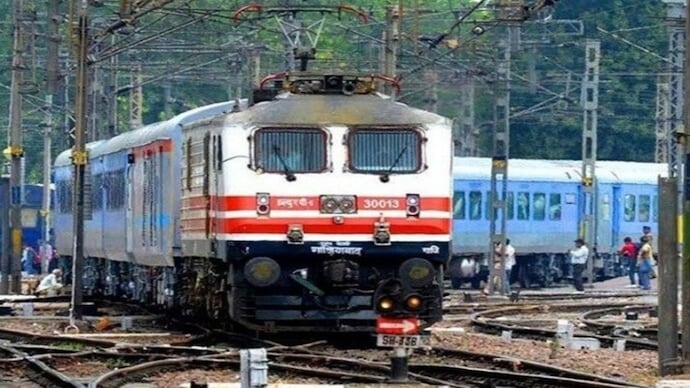
Indian Railways is set for a major upgrade under the Union Budget 2026, with a record Rs 2.78 lakh crore outlay and a clear push towards high-speed rail corridors. The plan focuses on faster travel, better safety, and stronger links between key cities. Seven high-speed corridors have been announced to improve inter-city travel and support economic activity.
The idea is simple, cut travel time, connect regions more efficiently, and modernise the railway network.
Alongside this, investments will also go into new lines, rolling stock, and safety systems, marking a big step forward for Indian Railways.
RECORD OUTLAY DRIVES RAIL MODERNISATION
The Union Budget 2026-27 has allocated a record Rs 2,78,000 crore to Indian Railways, the highest ever for the sector.
This spending signals a strong push towards infrastructure upgrades, with a focus on speed, safety, and digital connectivity. The Ministry of Railways also received capital expenditure support of over Rs 2.93 lakh crore.
Funds will go into new railway lines, gauge conversion, doubling of tracks, traffic facilities, and rolling stock.
SEVEN HIGH-SPEED RAIL CORRIDORS PLANNED
A key part of the plan is the development of seven high-speed rail corridors across India.
These include:
- Mumbai–Pune
- Pune–Hyderabad
- Hyderabad–Bengaluru
- Hyderabad–Chennai
- Chennai–Bengaluru
- Delhi–Varanasi
- Varanasi–Siliguri
According to the official release, “These corridors are intended to integrate major cities and regions, facilitate efficient movement of people, and support economic interaction across states.”
Together, these routes are expected to improve connectivity across major economic hubs.
ALSO READ: 29 summer special trains announced by Indian Railways for April travel
FASTER TRAVEL, STRONGER CONNECTIVITY
The new high-speed rail corridors are being positioned as “growth connectors” that link cities and boost regional movement.
By reducing travel time and easing congestion on existing routes, the plan aims to make inter-city travel quicker and more reliable.
The corridors will also support business travel, tourism, and logistics by connecting important urban centres more efficiently.
SAFETY AND INFRASTRUCTURE ALSO IN FOCUS
Beyond speed, safety remains a priority. Railway Minister Ashwini Vaishnaw has said that safety continues to be the top focus.
Investments will also cover upgrades in signalling systems, station redevelopment, and better rolling stock.
Overall, the budget lays out a roadmap for a more modern and efficient railway system.
The Rs 2.78 lakh crore railway budget signals a clear direction, faster trains, better infrastructure, and stronger connectivity.
With seven high-speed rail corridors in the pipeline, Indian Railways is moving towards a network that can support both daily commuters and long-distance travellers more effectively.
Indian Railways is set for a major upgrade under the Union Budget 2026, with a record Rs 2.78 lakh crore outlay and a clear push towards high-speed rail corridors. The plan focuses on faster travel, better safety, and stronger links between key cities. Seven high-speed corridors have been announced to improve inter-city travel and support economic activity.
The idea is simple, cut travel time, connect regions more efficiently, and modernise the railway network.
Alongside this, investments will also go into new lines, rolling stock, and safety systems, marking a big step forward for Indian Railways.
RECORD OUTLAY DRIVES RAIL MODERNISATION
The Union Budget 2026-27 has allocated a record Rs 2,78,000 crore to Indian Railways, the highest ever for the sector.
This spending signals a strong push towards infrastructure upgrades, with a focus on speed, safety, and digital connectivity. The Ministry of Railways also received capital expenditure support of over Rs 2.93 lakh crore.
Funds will go into new railway lines, gauge conversion, doubling of tracks, traffic facilities, and rolling stock.
SEVEN HIGH-SPEED RAIL CORRIDORS PLANNED
A key part of the plan is the development of seven high-speed rail corridors across India.
These include:
- Mumbai–Pune
- Pune–Hyderabad
- Hyderabad–Bengaluru
- Hyderabad–Chennai
- Chennai–Bengaluru
- Delhi–Varanasi
- Varanasi–Siliguri
According to the official release, “These corridors are intended to integrate major cities and regions, facilitate efficient movement of people, and support economic interaction across states.”
Together, these routes are expected to improve connectivity across major economic hubs.
ALSO READ: 29 summer special trains announced by Indian Railways for April travel
FASTER TRAVEL, STRONGER CONNECTIVITY
The new high-speed rail corridors are being positioned as “growth connectors” that link cities and boost regional movement.
By reducing travel time and easing congestion on existing routes, the plan aims to make inter-city travel quicker and more reliable.
The corridors will also support business travel, tourism, and logistics by connecting important urban centres more efficiently.
SAFETY AND INFRASTRUCTURE ALSO IN FOCUS
Beyond speed, safety remains a priority. Railway Minister Ashwini Vaishnaw has said that safety continues to be the top focus.
Investments will also cover upgrades in signalling systems, station redevelopment, and better rolling stock.
Overall, the budget lays out a roadmap for a more modern and efficient railway system.
The Rs 2.78 lakh crore railway budget signals a clear direction, faster trains, better infrastructure, and stronger connectivity.
With seven high-speed rail corridors in the pipeline, Indian Railways is moving towards a network that can support both daily commuters and long-distance travellers more effectively.

