What is Upma called in English?
Upma is one of India's most popular breakfast dishes, but many people still wonder what the comforting semolina-based meal is actually called in English.
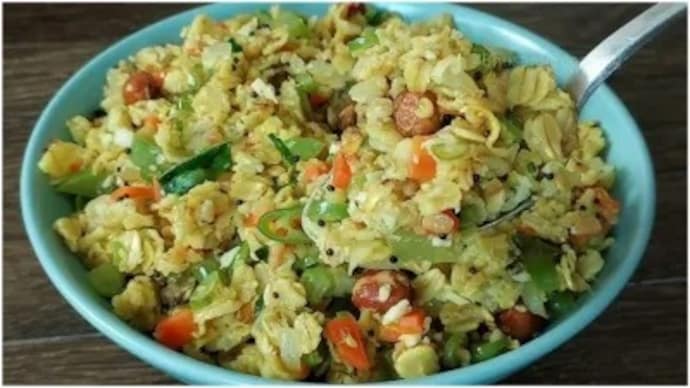
Few Indian breakfast dishes are as familiar as a hot plate of Upma. Simple, filling and quick to prepare, the dish is a staple in many South Indian households and has also become popular across the country. But one question continues to confuse people online: what exactly is Upma called in English?
The short answer is that there is no direct English translation for Upma. However, the dish is commonly described as a “savoury semolina porridge” or a “cooked semolina breakfast dish”.
WHAT EXACTLY IS UPMA?
Upma is traditionally made using semolina, also called rava or sooji, which is roasted and cooked with water until soft and fluffy.
The dish is usually tempered with mustard seeds, curry leaves, green chillies, onions and sometimes vegetables. Different regions also prepare versions using vermicelli, millets or rice-based ingredients.
Because of its soft texture and warm consistency, many people compare it to porridge, although the flavour is savoury rather than sweet.
WHY THERE IS NO PERFECT ENGLISH NAME
Like many Indian dishes, Upma does not have an exact English equivalent because it is deeply tied to local cooking traditions.
English descriptions mainly explain the ingredients and texture rather than replacing the original name. That is why terms such as “savoury semolina porridge” or “semolina mash” are used more as explanations than actual translations.
In restaurants abroad, the dish is usually still written simply as “Upma” on menus.
IS UPMA HEALTHY?
Upma is often considered a balanced breakfast because it is light, filling and can easily include vegetables, nuts and lentils.
The nutritional value depends on the ingredients used and the amount of oil added during cooking. Many people also prefer Upma because it is easy to digest and quick to prepare.
ALSO READ: What is Dosa called in English?
WHY UPMA REMAINS SO POPULAR
Part of Upma’s popularity comes from how adaptable it is. It can be made plain, spicy, vegetable-loaded or even slightly tangy depending on regional preferences.
For many Indians, it is also deeply nostalgic, the kind of comfortable breakfast linked to home kitchens, school mornings and rainy days.
So while English may describe it as savoury semolina porridge, for most people, it is simple and best known as Upma.
Few Indian breakfast dishes are as familiar as a hot plate of Upma. Simple, filling and quick to prepare, the dish is a staple in many South Indian households and has also become popular across the country. But one question continues to confuse people online: what exactly is Upma called in English?
The short answer is that there is no direct English translation for Upma. However, the dish is commonly described as a “savoury semolina porridge” or a “cooked semolina breakfast dish”.
WHAT EXACTLY IS UPMA?
Upma is traditionally made using semolina, also called rava or sooji, which is roasted and cooked with water until soft and fluffy.
The dish is usually tempered with mustard seeds, curry leaves, green chillies, onions and sometimes vegetables. Different regions also prepare versions using vermicelli, millets or rice-based ingredients.
Because of its soft texture and warm consistency, many people compare it to porridge, although the flavour is savoury rather than sweet.
WHY THERE IS NO PERFECT ENGLISH NAME
Like many Indian dishes, Upma does not have an exact English equivalent because it is deeply tied to local cooking traditions.
English descriptions mainly explain the ingredients and texture rather than replacing the original name. That is why terms such as “savoury semolina porridge” or “semolina mash” are used more as explanations than actual translations.
In restaurants abroad, the dish is usually still written simply as “Upma” on menus.
IS UPMA HEALTHY?
Upma is often considered a balanced breakfast because it is light, filling and can easily include vegetables, nuts and lentils.
The nutritional value depends on the ingredients used and the amount of oil added during cooking. Many people also prefer Upma because it is easy to digest and quick to prepare.
ALSO READ: What is Dosa called in English?
WHY UPMA REMAINS SO POPULAR
Part of Upma’s popularity comes from how adaptable it is. It can be made plain, spicy, vegetable-loaded or even slightly tangy depending on regional preferences.
For many Indians, it is also deeply nostalgic, the kind of comfortable breakfast linked to home kitchens, school mornings and rainy days.
So while English may describe it as savoury semolina porridge, for most people, it is simple and best known as Upma.

