Where to buy authentic Banarasi sarees in India? Here's a simple guide
Banarasi sarees remain one of India's most loved traditional weaves, especially for weddings and festivals. Here's a simple statewise guide on where shoppers can find authentic Banarasi sarees and how to identify the real weave.
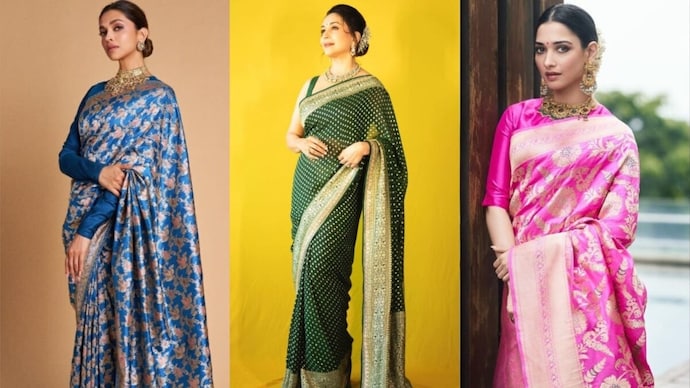
Banarasi sarees are among the most iconic and luxurious traditional outfits in India. Known for their rich silk fabric, intricate zari work, detailed weaving, and royal appearance, these sarees have remained a favourite choice for brides, festive celebrations, and family functions for generations.
Originally woven in Varanasi, Uttar Pradesh, Banarasi sarees are handcrafted by skilled artisans using traditional weaving techniques that have been passed down for centuries.
A genuine Banarasi saree often takes weeks or even months to complete because of the detailed craftsmanship involved.
However, with the growing popularity of Banarasi sarees across India, the market has also seen a rise in machine-made copies and synthetic imitations. Many buyers struggle to identify authentic handwoven Banarasi silk from cheaper replicas sold in local markets and online platforms.
Experts say shoppers should focus on buying from well-known weaving regions, government-supported handloom markets, exhibitions, and trusted silk centres to ensure authenticity.
Here’s a simple statewise guide to help buyers understand where genuine Banarasi sarees are commonly available in India.
READ: WHERE TO FIND ORIGINAL KANJIVARAM SAREES IN INDIA: COMPLETE BUYING GUIDE
UTTAR PRADESH: THE ORIGINAL HOME OF BANARASI SAREES
Uttar Pradesh, especially Varanasi (Banaras), remains the most important destination for authentic Banarasi sarees. The city is globally famous for its centuries-old silk weaving tradition.
Areas around traditional weaving clusters are known for handcrafted Katan silk, organza, tissue silk, and Kadwa Banarasi sarees. Buyers visiting Uttar Pradesh often prefer shopping directly from weaving centres or handloom exhibitions because they offer better authenticity and craftsmanship.
DELHI: POPULAR HUB FOR HANDLOOM AND BRIDAL SHOPPING
Delhi has become one of the biggest markets for Banarasi sarees due to its large bridal and designer wear industry. Several handloom exhibitions, government emporiums, and textile fairs in the capital offer authentic Banarasi collections sourced directly from Varanasi weavers.
Many shoppers from nearby states prefer Delhi because it provides a wide range of traditional and modern Banarasi saree styles under one roof.
WEST BENGAL: STRONG MARKET FOR TRADITIONAL SILK SAREES
West Bengal has a strong culture of silk sarees and handloom shopping. Cities like Kolkata are known for offering premium traditional weaves, including Banarasi sarees, especially during wedding and festive seasons.
Shoppers often visit handloom fairs, artisan exhibitions, and heritage textile markets to explore authentic silk collections.
MAHARASHTRA: GROWING DEMAND FOR BANARASI SAREES
Cities such as Mumbai and Pune have seen increasing demand for Banarasi sarees, particularly among brides and luxury ethnic wear buyers.
Large wedding markets, designer exhibitions, and festive shopping events in Maharashtra often feature authentic Banarasi handloom collections sourced from Uttar Pradesh.
GUJARAT: KNOWN FOR TRADITIONAL TEXTILE MARKETS
Gujarat is famous for its textile culture and traditional clothing markets. Cities like Ahmedabad and Surat offer Banarasi sarees through silk exhibitions, handloom fairs, and bridal wear collections.
Many shoppers combine Banarasi sarees with Gujarati wedding traditions due to the rich zari and festive look of the weave.
TAMIL NADU AND KARNATAKA: SILK SAREE BUYERS PREFER BANARASI WEAVES TOO
South Indian states such as Tamil Nadu and Karnataka are already known for their silk saree traditions, but Banarasi sarees are also highly popular for weddings, receptions, and festive wear.
Large silk markets and ethnic fashion exhibitions in cities like Chennai and Bengaluru often showcase authentic Banarasi collections alongside Kanjeevaram sarees.
HOW TO IDENTIFY AN AUTHENTIC BANARASI SAREE
Experts say buyers should look for a few important signs before purchasing a Banarasi saree:
- Check for a Silk Mark certification
- Look for detailed handwoven zari patterns
- Inspect the reverse side for weaving irregularities, which indicate handloom work
- Avoid sarees that feel too light or overly shiny
- Be cautious of extremely cheap “pure Banarasi silk” claims
Authentic Banarasi sarees are usually heavier and more detailed because they involve traditional weaving techniques.
POPULAR TYPES OF BANARASI SAREES
Type | Features | Best For |
Katan Silk | Rich pure silk weave | Bridal wear |
Organza Banarasi | Lightweight and elegant | Festive occasions |
Tissue Banarasi | Metallic shine finish | Parties and receptions |
Kadwa Banarasi | Intricate handcrafted motifs | Luxury collections |
Georgette Banarasi | Soft and lighter drape | Regular festive wear |
WHY GENUINE BANARASI SAREES ARE EXPENSIVE
Authentic Banarasi sarees are labour-intensive and involve skilled craftsmanship. A single saree can take several weeks or months to weave, depending on the complexity of the design.
The cost usually depends on:
- Silk quality
- Zari works
- Handloom weaving techniques
- Time taken to create the saree
- Design complexity
Experts warn that extremely cheap Banarasi sarees are often machine-made imitations rather than genuine handwoven pieces.
Banarasi sarees are not just traditional garments but an important part of India’s textile heritage. Whether bought from Uttar Pradesh, Delhi, West Bengal, Maharashtra, Gujarat, or South Indian silk markets, choosing an authentic Banarasi saree means supporting skilled artisans and preserving centuries-old weaving traditions.
For buyers, understanding the basics of authenticity, weaving styles, and trusted weaving regions can help ensure that their purchase becomes a timeless investment rather than a fast-fashion imitation.
Banarasi sarees are among the most iconic and luxurious traditional outfits in India. Known for their rich silk fabric, intricate zari work, detailed weaving, and royal appearance, these sarees have remained a favourite choice for brides, festive celebrations, and family functions for generations.
Originally woven in Varanasi, Uttar Pradesh, Banarasi sarees are handcrafted by skilled artisans using traditional weaving techniques that have been passed down for centuries.
A genuine Banarasi saree often takes weeks or even months to complete because of the detailed craftsmanship involved.
However, with the growing popularity of Banarasi sarees across India, the market has also seen a rise in machine-made copies and synthetic imitations. Many buyers struggle to identify authentic handwoven Banarasi silk from cheaper replicas sold in local markets and online platforms.
Experts say shoppers should focus on buying from well-known weaving regions, government-supported handloom markets, exhibitions, and trusted silk centres to ensure authenticity.
Here’s a simple statewise guide to help buyers understand where genuine Banarasi sarees are commonly available in India.
READ: WHERE TO FIND ORIGINAL KANJIVARAM SAREES IN INDIA: COMPLETE BUYING GUIDE
UTTAR PRADESH: THE ORIGINAL HOME OF BANARASI SAREES
Uttar Pradesh, especially Varanasi (Banaras), remains the most important destination for authentic Banarasi sarees. The city is globally famous for its centuries-old silk weaving tradition.
Areas around traditional weaving clusters are known for handcrafted Katan silk, organza, tissue silk, and Kadwa Banarasi sarees. Buyers visiting Uttar Pradesh often prefer shopping directly from weaving centres or handloom exhibitions because they offer better authenticity and craftsmanship.
DELHI: POPULAR HUB FOR HANDLOOM AND BRIDAL SHOPPING
Delhi has become one of the biggest markets for Banarasi sarees due to its large bridal and designer wear industry. Several handloom exhibitions, government emporiums, and textile fairs in the capital offer authentic Banarasi collections sourced directly from Varanasi weavers.
Many shoppers from nearby states prefer Delhi because it provides a wide range of traditional and modern Banarasi saree styles under one roof.
WEST BENGAL: STRONG MARKET FOR TRADITIONAL SILK SAREES
West Bengal has a strong culture of silk sarees and handloom shopping. Cities like Kolkata are known for offering premium traditional weaves, including Banarasi sarees, especially during wedding and festive seasons.
Shoppers often visit handloom fairs, artisan exhibitions, and heritage textile markets to explore authentic silk collections.
MAHARASHTRA: GROWING DEMAND FOR BANARASI SAREES
Cities such as Mumbai and Pune have seen increasing demand for Banarasi sarees, particularly among brides and luxury ethnic wear buyers.
Large wedding markets, designer exhibitions, and festive shopping events in Maharashtra often feature authentic Banarasi handloom collections sourced from Uttar Pradesh.
GUJARAT: KNOWN FOR TRADITIONAL TEXTILE MARKETS
Gujarat is famous for its textile culture and traditional clothing markets. Cities like Ahmedabad and Surat offer Banarasi sarees through silk exhibitions, handloom fairs, and bridal wear collections.
Many shoppers combine Banarasi sarees with Gujarati wedding traditions due to the rich zari and festive look of the weave.
TAMIL NADU AND KARNATAKA: SILK SAREE BUYERS PREFER BANARASI WEAVES TOO
South Indian states such as Tamil Nadu and Karnataka are already known for their silk saree traditions, but Banarasi sarees are also highly popular for weddings, receptions, and festive wear.
Large silk markets and ethnic fashion exhibitions in cities like Chennai and Bengaluru often showcase authentic Banarasi collections alongside Kanjeevaram sarees.
HOW TO IDENTIFY AN AUTHENTIC BANARASI SAREE
Experts say buyers should look for a few important signs before purchasing a Banarasi saree:
- Check for a Silk Mark certification
- Look for detailed handwoven zari patterns
- Inspect the reverse side for weaving irregularities, which indicate handloom work
- Avoid sarees that feel too light or overly shiny
- Be cautious of extremely cheap “pure Banarasi silk” claims
Authentic Banarasi sarees are usually heavier and more detailed because they involve traditional weaving techniques.
POPULAR TYPES OF BANARASI SAREES
Type | Features | Best For |
Katan Silk | Rich pure silk weave | Bridal wear |
Organza Banarasi | Lightweight and elegant | Festive occasions |
Tissue Banarasi | Metallic shine finish | Parties and receptions |
Kadwa Banarasi | Intricate handcrafted motifs | Luxury collections |
Georgette Banarasi | Soft and lighter drape | Regular festive wear |
WHY GENUINE BANARASI SAREES ARE EXPENSIVE
Authentic Banarasi sarees are labour-intensive and involve skilled craftsmanship. A single saree can take several weeks or months to weave, depending on the complexity of the design.
The cost usually depends on:
- Silk quality
- Zari works
- Handloom weaving techniques
- Time taken to create the saree
- Design complexity
Experts warn that extremely cheap Banarasi sarees are often machine-made imitations rather than genuine handwoven pieces.
Banarasi sarees are not just traditional garments but an important part of India’s textile heritage. Whether bought from Uttar Pradesh, Delhi, West Bengal, Maharashtra, Gujarat, or South Indian silk markets, choosing an authentic Banarasi saree means supporting skilled artisans and preserving centuries-old weaving traditions.
For buyers, understanding the basics of authenticity, weaving styles, and trusted weaving regions can help ensure that their purchase becomes a timeless investment rather than a fast-fashion imitation.

