Recruiter shares common interview mistakes still made despite hiring advice
A recruiter shared a post on Reddit explaining the interview habits candidates still repeated during hiring conversations, from speaking negatively about former workplaces to downplaying their own achievements.
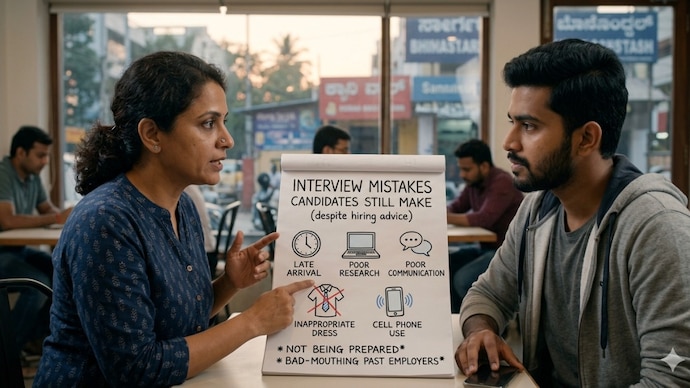
A recruiter shared observations from years of conducting interviews and explained how candidates often hurt their chances by being overly honest in situations where employers expected polished and strategic answers.
In the post titled “Things recruiters know you’re lying about in interviews (and honestly we expect it)” on r/recruitinghell, the recruiter wrote that interviews usually worked more like sales conversations, where candidates needed to present themselves carefully rather than reveal every blunt opinion.
The recruiter explained that one of the biggest mistakes candidates made involved discussing why they left previous jobs. According to the post, candidates who openly criticised toxic managers or poor workplace culture often caused recruiters to question whether they would create problems in a new environment as well.
Instead, the recruiter suggested candidates frame their departure around growth opportunities, learning experiences, or the desire for greater responsibility.
The post also discussed salary negotiations, with the recruiter writing that companies frequently asked about previous pay in order to keep future salary discussions lower, especially for applicants who had already been underpaid.
Another section focused on the common interview question about five-year career plans. The recruiter wrote that employers generally looked for signs of stability and ambition, even if candidates themselves did not truly know where they would end up years later.
The recruiter also wrote that highly skilled candidates regularly minimised their own contributions during interviews by describing major achievements as luck or solely team-driven work, while less qualified applicants often spoke with far greater confidence.
“A resume is marketing, not autobiography. A resume is not supposed to document every moment of your existence. Its job is simple: get you the interview,” the recruiter wrote.
The post added that hiring processes often rewarded people who understood how to position themselves effectively rather than those who simply listed everything exactly as it happened.
ADVICE THE RECRUITER SHARED FOR INTERVIEWS:
- Avoid criticising former managers or workplace culture during interviews, even if the experience genuinely felt negative. Recruiters often viewed such answers as a possible warning sign.
- Speak about leaving a previous role in terms of growth, learning opportunities, greater ownership, or career progression instead.
- Be cautious while discussing previous salaries, as companies often used older compensation figures to keep future offers lower.
- Focus salary conversations around current market value and skills rather than carrying forward underpaid compensation from earlier jobs.
- Treat questions about five-year plans as a way for employers to assess stability and ambition, even if long-term plans were uncertain.
- Avoid answers that suggested a lack of commitment or interest in the role, as recruiters generally preferred responses that showed professional growth.
- Stop minimising personal achievements during interviews by describing successes only as team efforts or luck.
- Clearly explain individual contributions to projects and accomplishments with confidence instead of excessive modesty.
- Treat resumes as marketing tools designed to secure interviews rather than full autobiographies documenting every detail of a career.
- Focus resumes on skills, measurable impact, and strong project experience to present qualifications in the clearest way possible.
Check out the post here:
The post gathered several reactions from social media users, who shared unusual interview experiences and discussed how candidates approached hiring conversations.
One user wrote, “Do people really say this stuff? I'm not even trying to be rude, but this seems like well-known info and easily found after a five-minute Google search.”
Another wrote, “People say insane stuff in interviews. One of my candidates was asked by my client ‘what is your biggest weakness?’ What he replied? ‘I hate people.’ The role? Customer Support.”
A third user joked, “They hired him on the spot.”
Another user shared, “I have a bad habit of undermining myself in interviews. It's been beaten into me since I was a child that bragging is horrible, so even when I'm single-handedly responsible for a win – I undersell it as a team effort.”
One more added, “I work in customer support and customers can absolutely suck. I hate people as well, but would never say that out loud, let alone in an interview.”
A recruiter shared observations from years of conducting interviews and explained how candidates often hurt their chances by being overly honest in situations where employers expected polished and strategic answers.
In the post titled “Things recruiters know you’re lying about in interviews (and honestly we expect it)” on r/recruitinghell, the recruiter wrote that interviews usually worked more like sales conversations, where candidates needed to present themselves carefully rather than reveal every blunt opinion.
The recruiter explained that one of the biggest mistakes candidates made involved discussing why they left previous jobs. According to the post, candidates who openly criticised toxic managers or poor workplace culture often caused recruiters to question whether they would create problems in a new environment as well.
Instead, the recruiter suggested candidates frame their departure around growth opportunities, learning experiences, or the desire for greater responsibility.
The post also discussed salary negotiations, with the recruiter writing that companies frequently asked about previous pay in order to keep future salary discussions lower, especially for applicants who had already been underpaid.
Another section focused on the common interview question about five-year career plans. The recruiter wrote that employers generally looked for signs of stability and ambition, even if candidates themselves did not truly know where they would end up years later.
The recruiter also wrote that highly skilled candidates regularly minimised their own contributions during interviews by describing major achievements as luck or solely team-driven work, while less qualified applicants often spoke with far greater confidence.
“A resume is marketing, not autobiography. A resume is not supposed to document every moment of your existence. Its job is simple: get you the interview,” the recruiter wrote.
The post added that hiring processes often rewarded people who understood how to position themselves effectively rather than those who simply listed everything exactly as it happened.
ADVICE THE RECRUITER SHARED FOR INTERVIEWS:
- Avoid criticising former managers or workplace culture during interviews, even if the experience genuinely felt negative. Recruiters often viewed such answers as a possible warning sign.
- Speak about leaving a previous role in terms of growth, learning opportunities, greater ownership, or career progression instead.
- Be cautious while discussing previous salaries, as companies often used older compensation figures to keep future offers lower.
- Focus salary conversations around current market value and skills rather than carrying forward underpaid compensation from earlier jobs.
- Treat questions about five-year plans as a way for employers to assess stability and ambition, even if long-term plans were uncertain.
- Avoid answers that suggested a lack of commitment or interest in the role, as recruiters generally preferred responses that showed professional growth.
- Stop minimising personal achievements during interviews by describing successes only as team efforts or luck.
- Clearly explain individual contributions to projects and accomplishments with confidence instead of excessive modesty.
- Treat resumes as marketing tools designed to secure interviews rather than full autobiographies documenting every detail of a career.
- Focus resumes on skills, measurable impact, and strong project experience to present qualifications in the clearest way possible.
Check out the post here:
The post gathered several reactions from social media users, who shared unusual interview experiences and discussed how candidates approached hiring conversations.
One user wrote, “Do people really say this stuff? I'm not even trying to be rude, but this seems like well-known info and easily found after a five-minute Google search.”
Another wrote, “People say insane stuff in interviews. One of my candidates was asked by my client ‘what is your biggest weakness?’ What he replied? ‘I hate people.’ The role? Customer Support.”
A third user joked, “They hired him on the spot.”
Another user shared, “I have a bad habit of undermining myself in interviews. It's been beaten into me since I was a child that bragging is horrible, so even when I'm single-handedly responsible for a win – I undersell it as a team effort.”
One more added, “I work in customer support and customers can absolutely suck. I hate people as well, but would never say that out loud, let alone in an interview.”

