Maa Behen's witch narrative has roots in real history
In Maa Behen, Rekha is branded a witch after her husband's death and years of rumour. The trope echoes a long history of suspicion around women whose beauty or influence unsettled society.
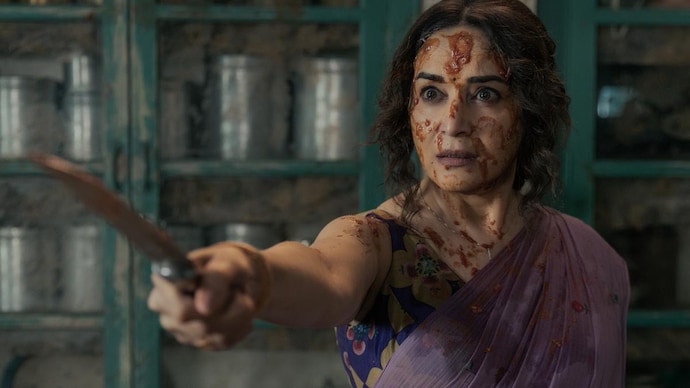
In the Netflix film Maa Behen, the protagonist Rekha is branded a witch by her neighbours, largely because of her beauty and the attention she attracts. While the story is fictional, the idea has surprising roots in history.
After moving to a new neighbourhood with her husband post marriage, everyone is fascinated by her beauty and how she doesn’t age. When her husband passes away, all the neighbours quickly brand her a daayan (witch) who was responsible for his death. Over the years, the Chinese whisper gives rise to a plethora of rumours that continue to cast a dark shadow around her and her daughter’s lives. One such rumour goes as far as to say they’re witches who kill men and bury them under their marigold garden in the front porch.
Across centuries, beautiful, powerful, or independent women have often been viewed with suspicion. In many societies, a woman who attracted admiration, exercised influence, or refused to conform to expectations could become the subject of rumours and fear. Rather than attributing her impact to charisma, intelligence, or confidence, people often looked for more sinister explanations.
One of the most famous examples is Anne Boleyn, the second wife of King Henry VIII. As Henry became deeply devoted to her, rumours spread that she had bewitched him. Although she was never formally charged with witchcraft, stories portraying her as a sorceress circulated widely among her enemies.
Another example is Alice Kyteler, a wealthy Irish noblewoman accused of witchcraft in 1324. Her beauty, multiple marriages, and influence over powerful men became part of the allegations against her. She eventually fled before she could be arrested.
A more modern example is Rebekah Harkness, the American heiress who inspired Taylor Swift’s song The Last Great American Dynasty. After the unexpected death of her husband, Standard Oil heir William Harkness, she inherited a vast fortune and began living life on her own terms. Her extravagant lifestyle, independence, and refusal to follow social conventions turned her into a controversial figure. While she was never called a witch, the way society portrayed her echoes a familiar historical pattern: when women are too beautiful, too wealthy, too influential, or too free, they are often cast as dangerous rather than celebrated.
History shows that women were rarely accused of witchcraft because of beauty alone. More often, beauty became one element in a larger pattern of fear, jealousy, and attempts to control women who stood out from social norms. Whether through gossip, superstition, or political propaganda, attractive women were sometimes cast as dangerous enchantresses rather than simply influential individuals.
The trope seen in Maa Behen therefore, reflects a much older reality: throughout history, societies have often struggled to accept female power, especially when it came wrapped in beauty.
Perhaps the most famous example of this is Cleopatra, the last active ruler of Egypt. Roman writers frequently portrayed her as an enchantress who had cast a spell over Julius Caesar and Mark Antony. In reality, Cleopatra was a skilled political leader and strategist, but her influence over powerful men was often reduced to myths of seduction and sorcery.
Even Joan of Arc, though not celebrated for her beauty, faced suspicion for being a young woman who wielded extraordinary influence in a male-dominated world. Her claims of divine visions were treated by her opponents as evidence of dark forces at work. Her trial reflected a broader discomfort with women who stepped beyond the roles society expected them to play.
From queens and noblewomen to military leaders, history is filled with examples of women whose beauty, independence, or influence made them targets of suspicion. The label may not always have been “witch,” but the underlying fear of powerful women has remained remarkably consistent across time.
In the Netflix film Maa Behen, the protagonist Rekha is branded a witch by her neighbours, largely because of her beauty and the attention she attracts. While the story is fictional, the idea has surprising roots in history.
After moving to a new neighbourhood with her husband post marriage, everyone is fascinated by her beauty and how she doesn’t age. When her husband passes away, all the neighbours quickly brand her a daayan (witch) who was responsible for his death. Over the years, the Chinese whisper gives rise to a plethora of rumours that continue to cast a dark shadow around her and her daughter’s lives. One such rumour goes as far as to say they’re witches who kill men and bury them under their marigold garden in the front porch.
Across centuries, beautiful, powerful, or independent women have often been viewed with suspicion. In many societies, a woman who attracted admiration, exercised influence, or refused to conform to expectations could become the subject of rumours and fear. Rather than attributing her impact to charisma, intelligence, or confidence, people often looked for more sinister explanations.
One of the most famous examples is Anne Boleyn, the second wife of King Henry VIII. As Henry became deeply devoted to her, rumours spread that she had bewitched him. Although she was never formally charged with witchcraft, stories portraying her as a sorceress circulated widely among her enemies.
Another example is Alice Kyteler, a wealthy Irish noblewoman accused of witchcraft in 1324. Her beauty, multiple marriages, and influence over powerful men became part of the allegations against her. She eventually fled before she could be arrested.
A more modern example is Rebekah Harkness, the American heiress who inspired Taylor Swift’s song The Last Great American Dynasty. After the unexpected death of her husband, Standard Oil heir William Harkness, she inherited a vast fortune and began living life on her own terms. Her extravagant lifestyle, independence, and refusal to follow social conventions turned her into a controversial figure. While she was never called a witch, the way society portrayed her echoes a familiar historical pattern: when women are too beautiful, too wealthy, too influential, or too free, they are often cast as dangerous rather than celebrated.
History shows that women were rarely accused of witchcraft because of beauty alone. More often, beauty became one element in a larger pattern of fear, jealousy, and attempts to control women who stood out from social norms. Whether through gossip, superstition, or political propaganda, attractive women were sometimes cast as dangerous enchantresses rather than simply influential individuals.
The trope seen in Maa Behen therefore, reflects a much older reality: throughout history, societies have often struggled to accept female power, especially when it came wrapped in beauty.
Perhaps the most famous example of this is Cleopatra, the last active ruler of Egypt. Roman writers frequently portrayed her as an enchantress who had cast a spell over Julius Caesar and Mark Antony. In reality, Cleopatra was a skilled political leader and strategist, but her influence over powerful men was often reduced to myths of seduction and sorcery.
Even Joan of Arc, though not celebrated for her beauty, faced suspicion for being a young woman who wielded extraordinary influence in a male-dominated world. Her claims of divine visions were treated by her opponents as evidence of dark forces at work. Her trial reflected a broader discomfort with women who stepped beyond the roles society expected them to play.
From queens and noblewomen to military leaders, history is filled with examples of women whose beauty, independence, or influence made them targets of suspicion. The label may not always have been “witch,” but the underlying fear of powerful women has remained remarkably consistent across time.

