Money and you | Being delusional with your money'
The belief that you have more money than you really do is ruining the lives of many families, especially when the reality is starkly opposite
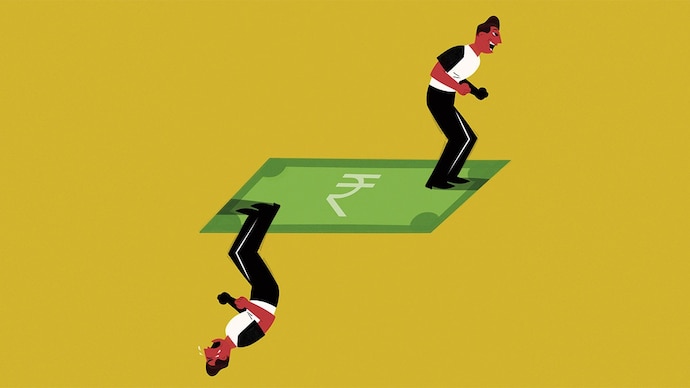
It is common to give in to temptation, especially when you see a small price drop on an item in your Amazon cart. Impulse purchases are all too common. The rise in UPI payments and the ease of credit purchases make it even easier to succumb. Many people believe that they have strong financial willpower when, in reality, they lack it entirely. Being impulsive with money and accepting it as normal is a recipe for financial disaster. It is important to be mindful of your spending habits and set boundaries to avoid falling into the impulse-buying trap.
It is common to give in to temptation, especially when you see a small price drop on an item in your Amazon cart. Impulse purchases are all too common. The rise in UPI payments and the ease of credit purchases make it even easier to succumb. Many people believe that they have strong financial willpower when, in reality, they lack it entirely. Being impulsive with money and accepting it as normal is a recipe for financial disaster. It is important to be mindful of your spending habits and set boundaries to avoid falling into the impulse-buying trap.
The personal finance space is not just about saving and investing; many actions related to these two aspects depend on how much you have left over after spending. ‘I will save and invest later’ is a common lie that can have serious repercussions on your financial future. Many well-earning individuals have begun to believe they have much more money than they actually do. Take, for instance, the number of individuals servicing loans; not everyone is on top of the price of the debt they are servicing. Likewise, despite investing regularly in SIPs, some investors are not fully aware of how well their investments are faring, or do not increase their contributions to match changing realities.
A classic example: you know the advantages of increasing your SIPs over time, yet when it comes to actually increasing your investments, you don’t. On the contrary, you panic during a market correction and stop your SIPs. The brain dislikes contradiction, and even when the markets aren’t performing, you end up setting financial goals with optimistic returns. Considering that most people are servicing some form of loan, it is extremely rare to come across people who are foreclosing on their loans or working to reduce their debt. You need to ask yourself how honest you are about money.
It is time to take a hard look at the money lies you may be telling yourself and how they could be impacting your financial well-being. There is an identity conflict that one hides from, which causes emotional discomfort. Often, people live in an imaginary state of their finances, when the reality may be the opposite. The discomfort between ‘I know’ and ‘I don’t know or understand’ becomes exhausting. People then convince themselves that they have time or that they will increase their debt repayment or investments after the next promotion. They have a very convincing response. These, however, don’t solve their problems.
HOW TO HANDLE?
Most people consider money a taboo subject, one not to be discussed with others. You may feel awkward about disclosing your financial state. The financial state you are in is unique to you, but there are plenty of similarities with what many people actually face. The longer you wait to get a fix on your financial life, the harder it becomes to catch up. Once you realise you have a problem, speak to your family members and friends. You should also seek help from experts who can deep-dive into your finances and provide specific suggestions and solutions. By being honest with yourself and making smart money choices, you can build a secure financial foundation for yourself and your loved ones.

